
 English
 中文简体
中文简体
When a lift loses power between floors, the machine brake is supposed to stop the car before the safety gear ever needs to act. In most elevator designs, that first action comes from friction: a spring-loaded brake shoe presses against a drum or disc on the motor shaft. The electromagnetic field normally holds that shoe away from the drum; when power drops, the spring does the work. That is the foundation of an elevator brake system. It is built around a simple principle—when electricity disappears, stopping power appears.
Content
- 1 Core Components: Where the Braking Force Comes From
- 2 Emergency Scenario: How the Brake System Responds
- 3 Maintenance and Selection: How to Keep the System Reliable
- 4 Frequently Asked Questions about Elevator Brake Systems
- 4.1 Q1: What does the elevator brake system do?
- 4.2 Q2: How does the elevator emergency brake work?
- 4.3 Q3: What is the difference between the machine brake and the safety gear?
- 4.4 Q4: Why does my elevator make a grinding noise when stopping?
- 4.5 Q5: How often should the elevator brake system be checked?
- 4.6 Q6: What causes an elevator to fail to stop at the exact floor?
Core Components: Where the Braking Force Comes From
An elevator brake system is not one device. It is a chain of independent safety layers, each designed to work when the layer above it cannot. The right way to understand it is to look at the main components and what each one is expected to do.
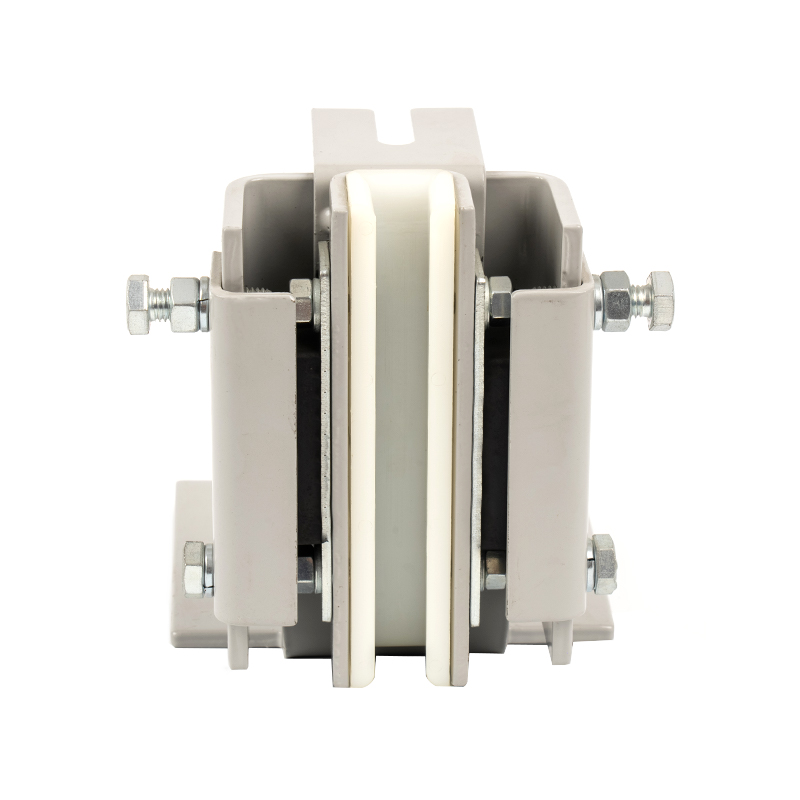
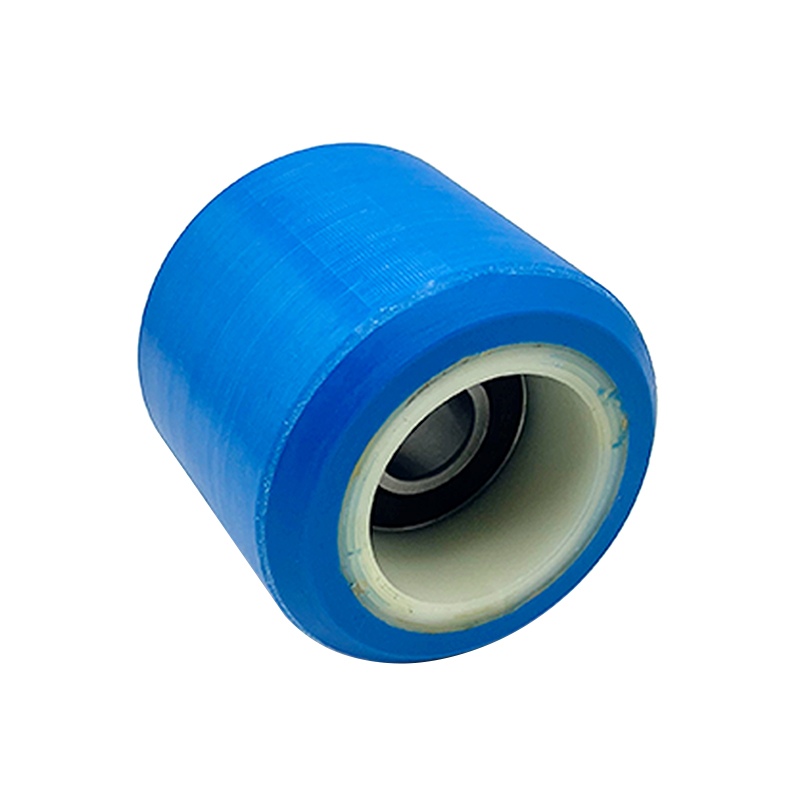
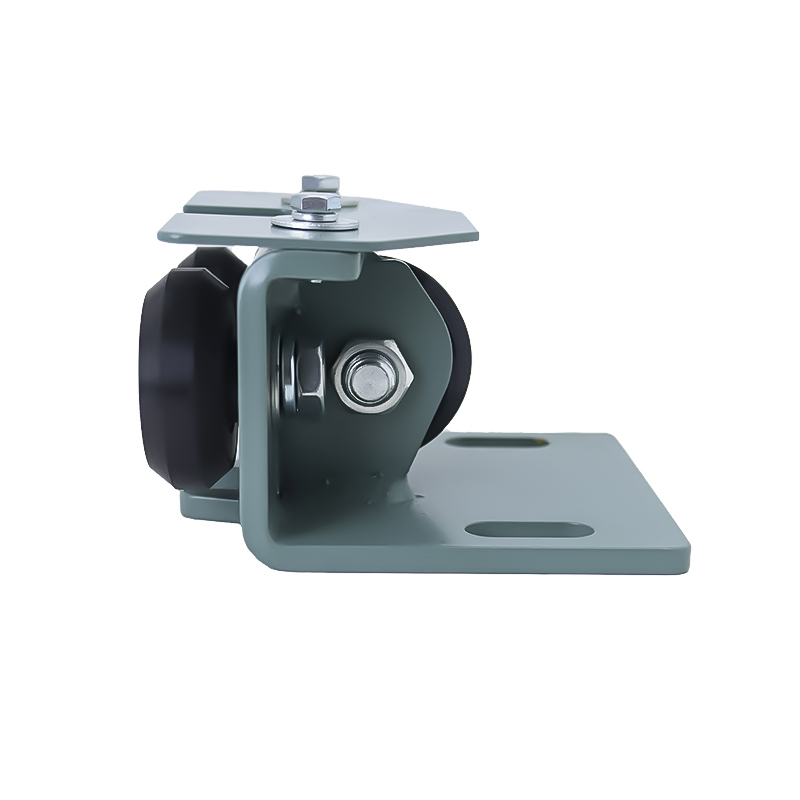 FKD-R50 Roller Guide Shoe for Small Passenger ElevatorsThis polyurethane roller guide shoe suits 0.75 m/s small passenger elevators and is often used as a replacement for sliding guide shoes. It is particularly relevant for high-end villa elevators, offering value and smooth guidance.View Product →
At the centre of the system is the machine brake. It is mounted on the motor shaft and usually works by solenoid release. During normal operation, voltage energises a coil, which pulls the brake shoes away from the rotating surface. When power is cut—intentionally, by the controller, or unintentionally, during a blackout—springs take over and clamp the brake shoes onto the shaft or disc. Because this mechanism depends on spring force, it is considered a fail-safe device: if the machine loses power for any reason, the brake applies.
The second layer is the overspeed governor. If the car begins to travel faster than the rated speed, the governor trips. In common European elevator standards such as EN 81, that tripping point is typically set around 115% of the rated speed. The governor then sends a mechanical signal to the safety gear.
The safety gear is the part that people usually picture when they talk about an emergency brake. It is mounted on the car frame and clamps directly onto the guide rail. When it is triggered, the surfaces of the safety gear bite into the rail and bring the car to a halt by friction. This is where the guide rail becomes a critical part of the braking chain. The rail must be smooth, straight and clean enough for the safety gear to develop reliable grip. Any rail surface defect directly affects how quickly and how evenly the car stops.
The third layer is the buffer at the bottom of the shaft. It only comes into play if the car still has kinetic energy after the safety gear has done its job. Buffers absorb the last part of the motion and limit the deceleration pulse that passengers would otherwise feel.
- Machine brake: normal stopping and holding.
- Governor: overspeed detection.
- Safety gear: emergency rail clamping.
- Buffer: final energy absorption.
Emergency Scenario: How the Brake System Responds
Consider a lift that starts to overspeed as it approaches a landing. What exactly happens?
- The controller detects the abnormal speed and first releases the machine brake.
- If the brake fails to stop the car, the governor acts on the overspeed signal.
- The governor pulls the safety gear, which clamps the guide rail.
- The car decelerates with a high but controlled friction force.
- If the car is still moving at the end of the shaft, the buffer absorbs the final impact.
What many maintenance teams forget is that the performance of the emergency brake depends on how the guide rail is treated by the parts that run on it every day. This is where guide shoe products come into the picture. A guide shoe that is worn, misaligned, or poorly selected can leave marks, oil patches, or scoring on the rail. Over time those defects reduce the friction capacity of the safety gear. So keeping the running surface smooth is not just a comfort issue—it directly affects the brake system. If you are already noticing strange sounds or shaking, that can be a sign of vibration caused by guide shoe problems.
Maintenance and Selection: How to Keep the System Reliable
When an elevator brake system fails, it is rarely a single dramatic event. The usual story is a slow build-up of small issues: the brake pad is worn, a spring has lost tension, the rail surface is coated, or the safety gear gap has drifted out of specification. Preventive maintenance should therefore focus on four points: first, check that the machine brake releases fully when the controller gives the run command; second, verify that the governor and safety gear linkage move freely; third, inspect the guide rail surface and the guide shoe condition; fourth, verify the buffer oil level or spring condition.
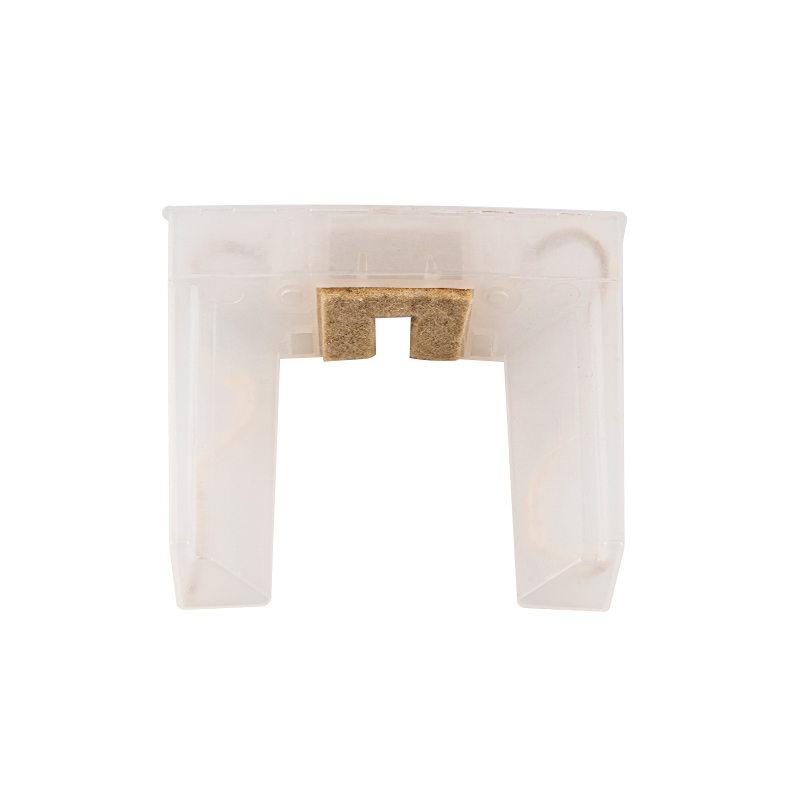
If you hear a grinding noise during a normal stop, the first thing to inspect is not the brake drum itself but the components that interact with the guide rail. Many times, the noise and vibration are caused by a worn shoe lining. That is a simple replacement job, but if it is ignored, the scoring on the rail can reduce the clamping performance of the safety gear later. In that sense, a small part like the guide shoe lining has a direct influence on the overall brake system performance.
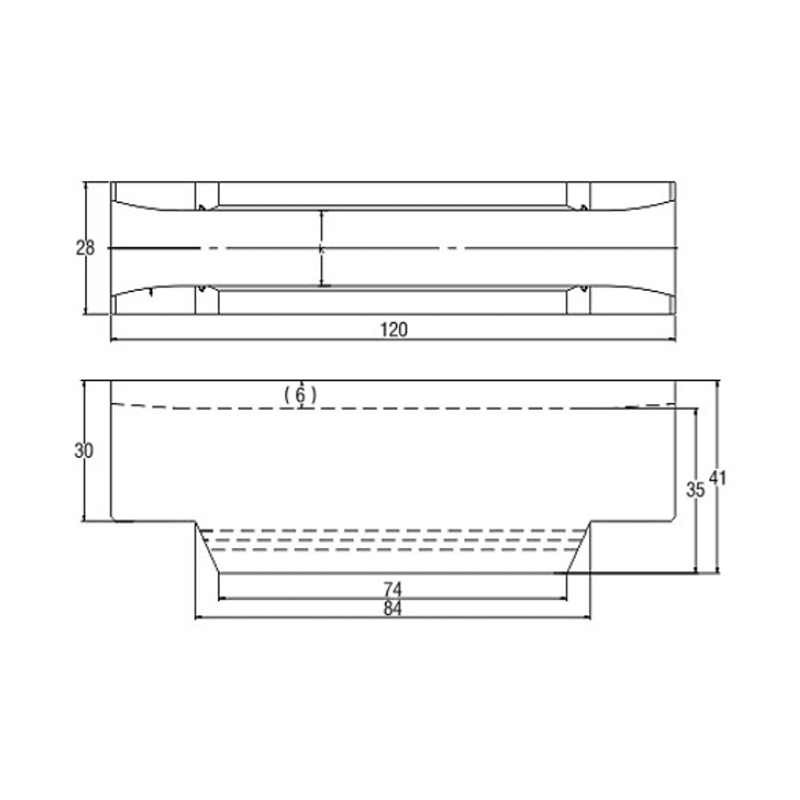 FKD-T001 Elevator Guide Shoe Lining with Multiple Thickness OptionsThis lining, available in 120 mm width and several thicknesses, reduces rail friction and protects the guide rail. Selecting a quality lining helps maintain rail condition and reduce vibration, easing brake system stress.View Product →
Selection matters too. When choosing a replacement lining or a guide shoe, you need to check material hardness, wear resistance and dimensional tolerance. Because the lining runs on the same rail that the safety gear uses, choosing a product with good wear resistance will help keep the rail in good condition for years. A quality guide shoe can also reduce vibration, which in turn takes unnecessary stress off the brake system. For this reason, many maintenance teams choose a dedicated guide shoe product range designed for their operating conditions.
Frequently Asked Questions about Elevator Brake Systems
Q1: What does the elevator brake system do?
It stops and holds the car during normal operation and provides emergency braking if the car overspeeds.
Q2: How does the elevator emergency brake work?
An overspeed governor senses high speed and trips the safety gear, which clamps the guide rail to stop the car mechanically.
Q3: What is the difference between the machine brake and the safety gear?
The machine brake is a spring-applied electric brake on the motor; the safety gear is a mechanical device that grips the guide rail.
Q4: Why does my elevator make a grinding noise when stopping?
Common causes include worn brake shoes, worn guide shoe linings, or a scored guide rail surface.
Q5: How often should the elevator brake system be checked?
Under most maintenance rules, the brake and governor are inspected at least every six months; worn parts are replaced as needed.
Q6: What causes an elevator to fail to stop at the exact floor?
The cause can be a poorly adjusted brake, uneven guide rail, or a controller issue that needs system diagnostics.