
 English
 中文简体
中文简体
This is a common problem encountered by many property managers, elevator maintenance personnel, and users. If an elevator experiences noticeable shaking, wobbling, or unusual noises during operation, it not only affects riding comfort but may also hide safety risks. So, are guide shoes really the "culprit"? Let's analyze this from a professional perspective.
1. What are elevator guide shoes?
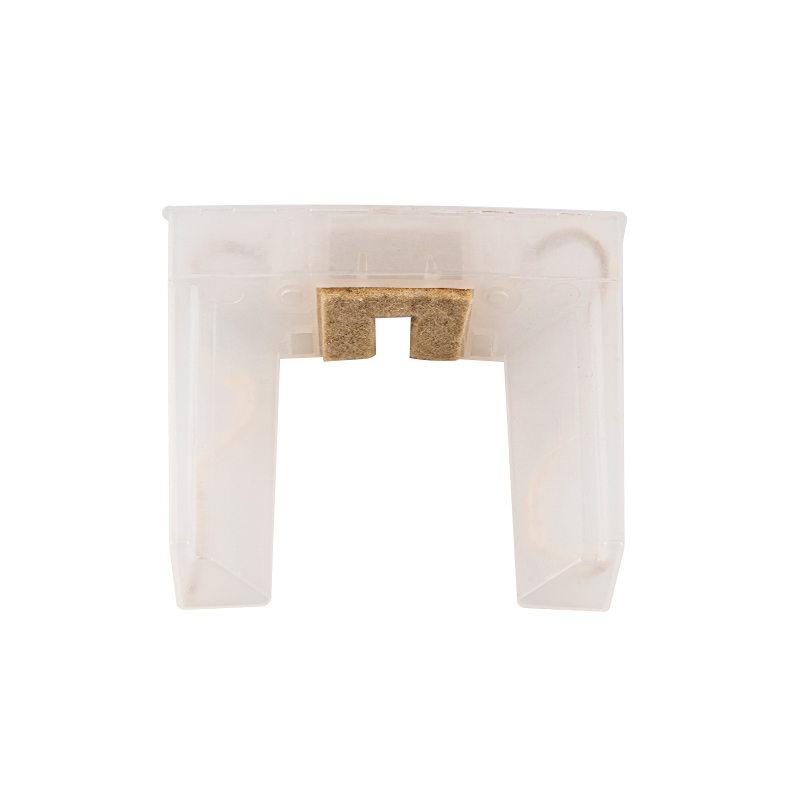
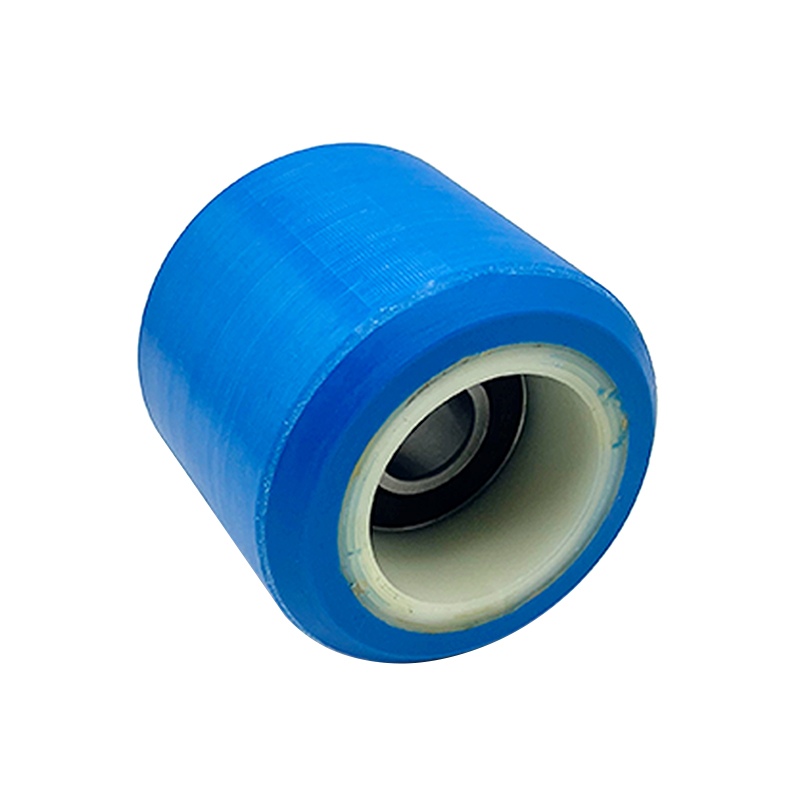
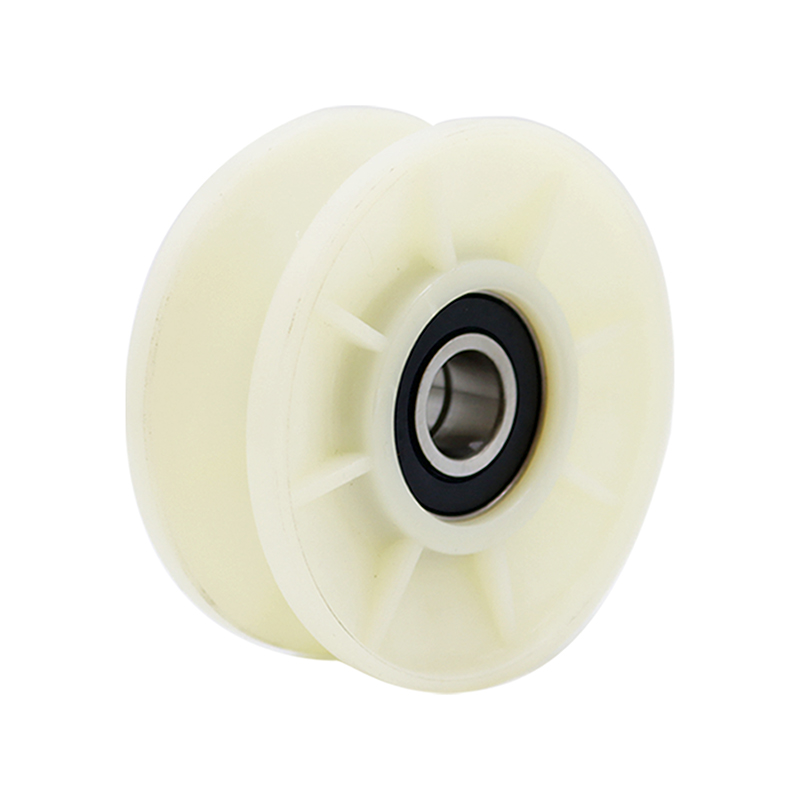
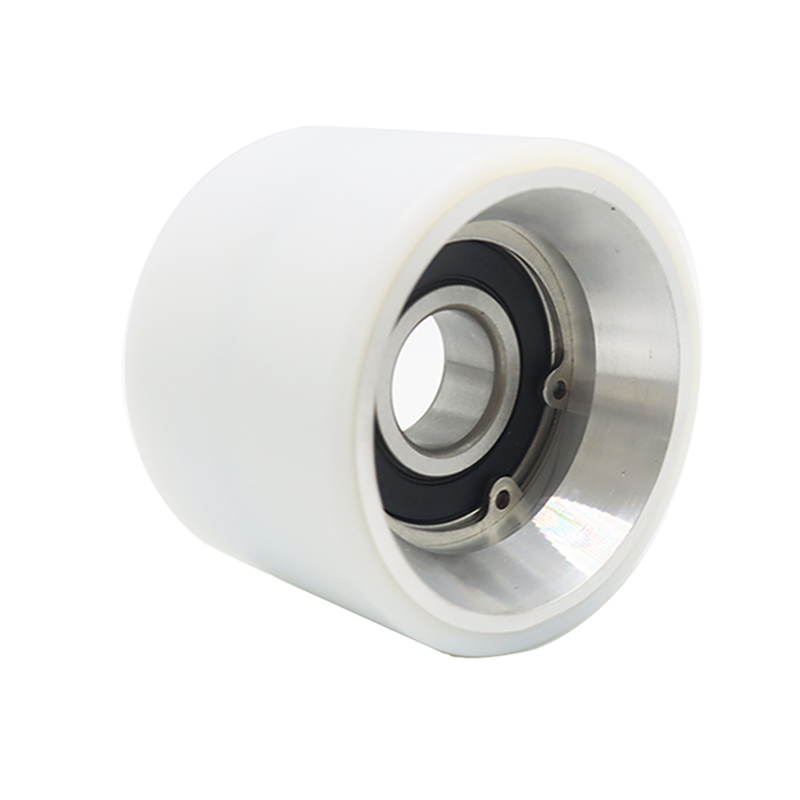
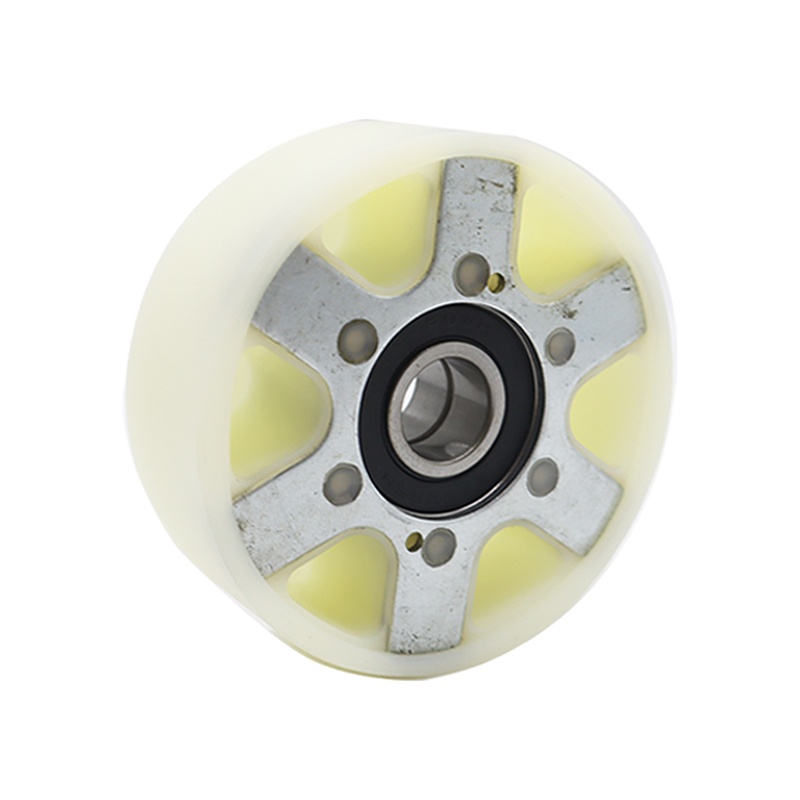
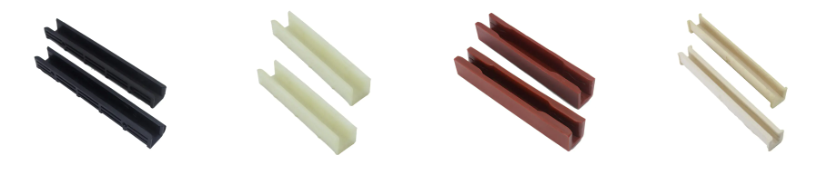
Elevator guide shoes are important components installed on the elevator car and counterweight. Their main function is to guide the elevator car to run smoothly along the guide rails and limit the lateral displacement of the car. Common types of guide shoes include sliding guide shoes and roller guide shoes, which play a key role in shock absorption, noise reduction, and stable operation.
2. Elevator vibration: Guide shoes are indeed one of the common causes
In actual maintenance, guide shoe problems are a frequent cause of elevator vibration, mainly manifested in the following aspects:
Severe guide shoe wear
After long-term operation, the guide shoe liners or rollers will wear out, increasing the gap and leading to unstable operation of the elevator car on the guide rails, thus causing vibration.
Improper guide shoe adjustment
If the gap between the guide shoe and the guide rail is too large or too small, it will affect the smoothness of operation, especially during starting and braking.
Guide shoe material or quality problems
Poor quality guide shoes have poor elasticity and insufficient wear resistance, which can easily cause vibration and noise, especially in high-speed or high-rise elevators.
3. However, elevator vibration is not necessarily only related to guide shoes
It should be noted that not all vibration problems are caused by guide shoes. Other common causes include:
Guide rail installation deviation or guide rail wear
Insufficient guide rail lubrication or uneven oil distribution
Unstable operation of the traction machine
Inconsistent steel rope tension
Overweight elevator car decoration or center of gravity shift
Therefore, when determining whether the problem is due to guide shoes, a systematic investigation should be conducted instead of blindly replacing parts.
4. How to determine if the vibration is caused by guide shoes?
The problem can be initially assessed from the following aspects:
Is the vibration concentrated during low to medium speed operation?
Is it accompanied by friction noise or periodic abnormal sounds?
Check the guide shoes for obvious wear, cracks, or aging.
Measure whether the gap between the guide shoes and the guide rails meets the standard.
Professional maintenance personnel usually confirm the root cause of the problem through test runs and on-site measurements.

5. How to prevent elevator vibration caused by guide shoes?
Regularly inspect and adjust the guide shoe clearance.
Use reliable, compatible guide shoes of the correct model.
Clean and lubricate the guide rails according to specifications.
For high-speed or high-rise elevators, prioritize the use of high-performance roller guide shoes.
Elevator vibration during operation is likely a problem with the guide shoes, but it is not the only cause.
Only through professional and systematic inspection can the fault be accurately located, avoiding unnecessary maintenance costs. For property management and maintenance companies, paying attention to the selection, installation, and maintenance of guide shoes is a crucial part of ensuring the safe and comfortable operation of elevators.