
 English
 中文简体
中文简体
An elevator oil cup leaks primarily due to worn or damaged seals, overfilling, improper installation, material degradation, or clogged oil passages. Identifying the root cause early is critical — a leaking elevator guide rail oil cup not only wastes lubricant but accelerates wear on guide shoes and guide rails, compromises ride quality, and can create safety risks if oil drips onto the pit floor or brake components.
This guide covers every known cause of elevator oil cup leakage, practical repair steps, preventive maintenance schedules, and answers the most common questions asked by elevator technicians and facility managers. Whether you are sourcing an elevator oil cup replacement, evaluating a custom elevator oil cup, or simply troubleshooting an existing elevator lubrication parts issue, this article provides actionable data.
Content
- 1 What Does an Elevator Oil Cup Actually Do?
- 2 Top Causes of Elevator Oil Cup Leakage
- 3 How to Diagnose an Elevator Oil Cup Leak: Step-by-Step
- 4 Effective Fixes for Common Elevator Oil Cup Leak Causes
- 5 Preventive Maintenance Schedule for Elevator Lubrication Systems
- 6 Choosing the Right Elevator Oil Cup: Key Selection Criteria
- 7 OEM and Custom Elevator Oil Cup Options
- 8 When to Repair vs. When to Replace Your Elevator Oil Cup
- 9 Environmental and Safety Considerations
- 10 Frequently Asked Questions About Elevator Oil Cup Leaking
What Does an Elevator Oil Cup Actually Do?
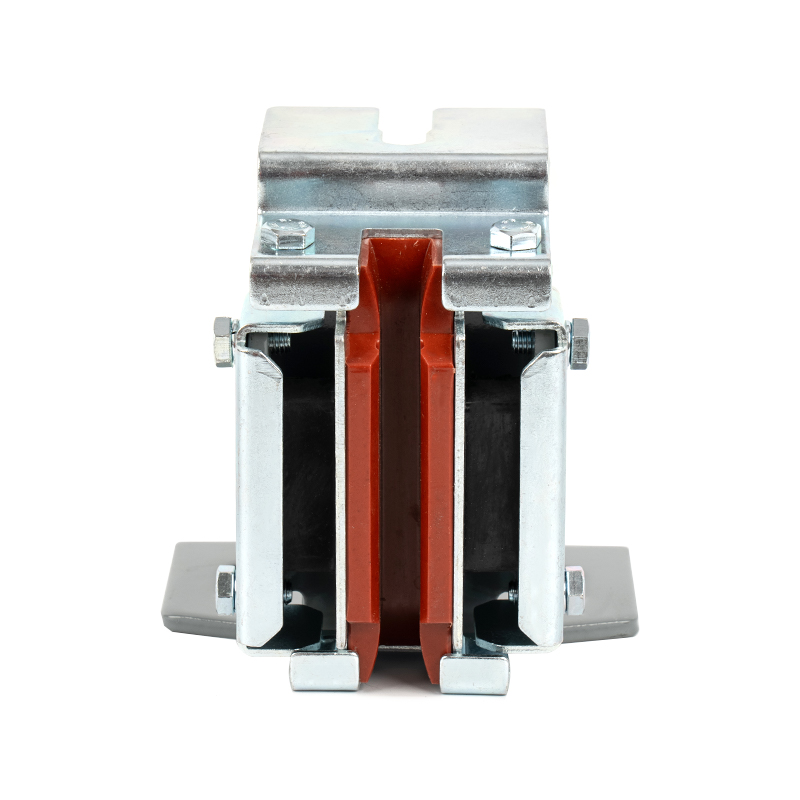
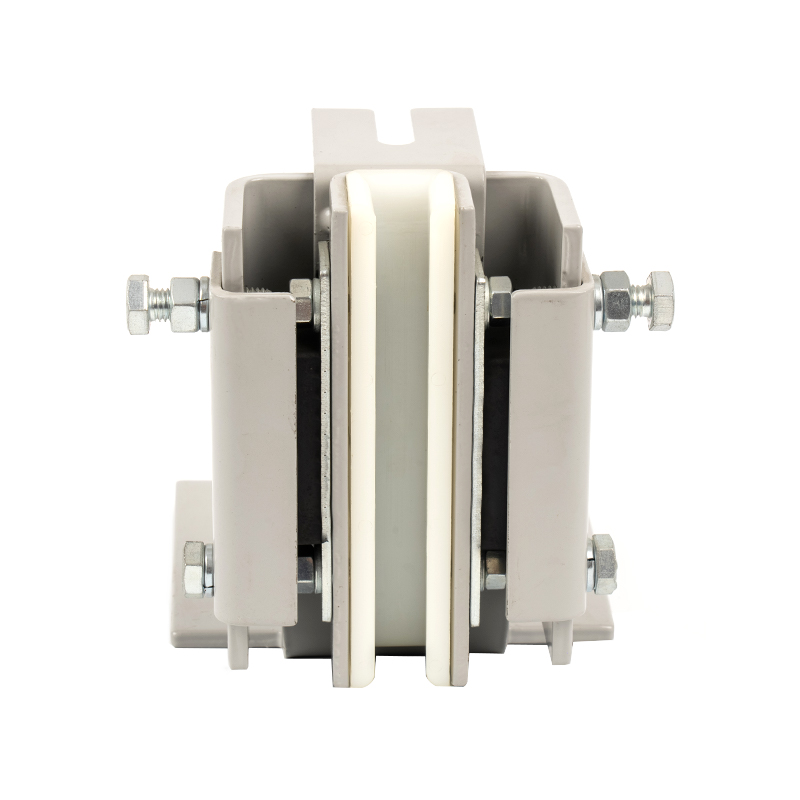
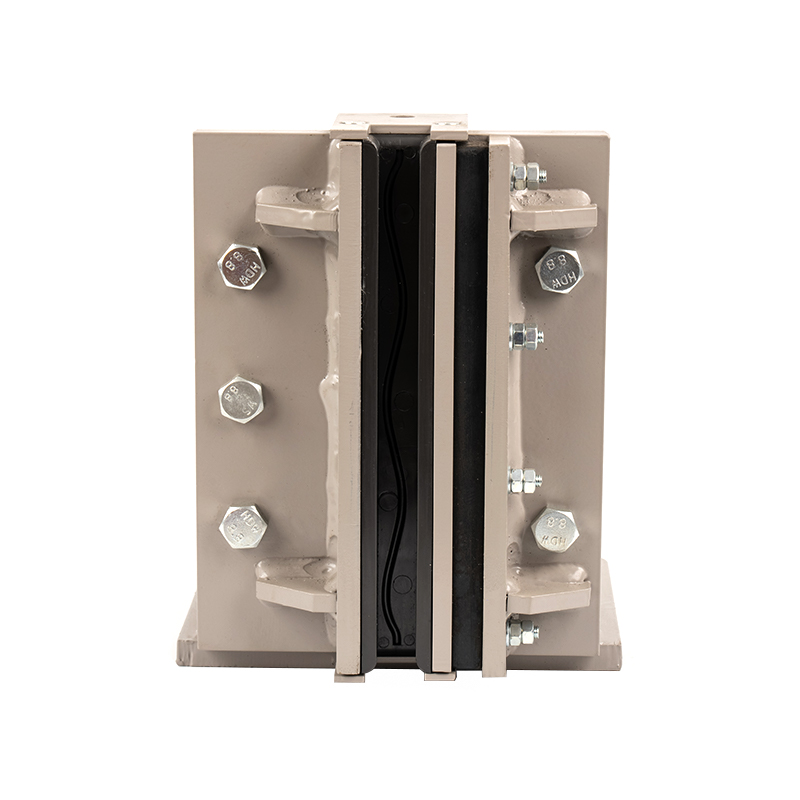
The elevator oil cup — also called an elevator lubrication cup, lift oil cup, or elevator oiler — is a reservoir-based device mounted on the guide shoe assembly of an elevator car or counterweight. Its sole purpose is to deliver a controlled, continuous film of lubricant to the guide rails as the car travels up and down the hoistway.
Without a properly functioning elevator guide rail lubrication system, metal-to-metal contact between the guide shoes and the guide rails generates friction, heat, vibration, and accelerated surface wear. Over time, this contact corrodes the rail surface and causes noisy, jerky elevator rides. The oil cup addresses all of these issues through passive or semi-active lubrication delivery.
Modern guide rail oil cups are typically made from engineering-grade plastics, die-cast aluminum, or stainless steel. Each material offers different resistance profiles against chemical attack, temperature cycling, and mechanical vibration. Selecting the right industrial elevator oil cup material for the operating environment directly affects how long the cup remains leak-free.
Guide Rail Wear Rate vs. Lubrication Condition (µm/month)
The chart above illustrates how lubrication status directly affects guide rail surface wear. Elevators running with a leaking oil cup still experience wear rates roughly 7× higher than those with a properly functioning cup, because intermittent over-delivery followed by dry patches creates inconsistent film protection. An optimally lubricated rail maintains a wear rate near 12 µm/month, significantly extending service intervals and reducing the need for rail replacement. Facilities that let leaks go unaddressed for over six months often find themselves replacing guide rails prematurely — a cost far exceeding the price of routine oil cup maintenance.
Top Causes of Elevator Oil Cup Leakage
Understanding the specific cause of a leak allows technicians to choose the correct fix rather than applying temporary patches. Field data collected across hundreds of elevator maintenance reports points to six primary failure modes.
1. Degraded or Damaged Seals and O-Rings
Seals are the first component to fail in most lift oil cup assemblies. Rubber and nitrile O-rings exposed to petroleum-based lubricants, temperature swings between −10 °C and 60 °C, and vibration cycles typically last 3–5 years before losing elasticity. Once a seal hardens or cracks, oil bypasses the seating surface and migrates down the guide shoe bracket. This is the most common cause reported by elevator spare parts suppliers processing warranty claims.
2. Overfilling the Reservoir
Many technicians fill oil cups to the brim during routine maintenance visits, not realizing that thermal expansion and car vibration will force excess oil past the wick or metering orifice. A standard elevator oiler reservoir should be filled to no more than 80% capacity, leaving an expansion buffer. Overfilling accounts for approximately 28% of reported leaks in newly maintained elevators.
3. Incorrect Oil Viscosity
Using a lubricant with viscosity below the manufacturer's specification — often ISO VG 32 when ISO VG 68 or higher is required — results in oil that flows too freely through the wick material. Low-viscosity oil saturates the wick rapidly and drips off the guide shoe rather than forming a controlled film on the rail surface. This is particularly common when facilities substitute automotive engine oil for dedicated elevator guide rail oil.
4. Loose or Misaligned Mounting
Vibration from elevator travel gradually loosens the mounting fasteners that hold the oil cup assembly to the guide shoe bracket. When the cup tilts even 5–10 degrees from vertical, the internal oil level shifts relative to the wick, causing one side to over-deliver lubricant while the other under-delivers. Misalignment also stresses the seal interface, accelerating leakage at the base of the reservoir.
5. Cracked or Brittle Housing
Plastic housings on budget-grade oil cups can become brittle after prolonged UV exposure in glass elevators or after chemical contact with cleaning agents used during hoistway maintenance. A hairline crack in the reservoir body allows oil to seep through at any fill level. Heavy duty elevator oil cups made from UV-stabilized engineering plastics or die-cast aluminum resist this failure mode considerably better.
6. Clogged Wick or Metering Orifice
Paradoxically, a clogged wick can also cause leakage. When the wick's capillary action is blocked by oil oxidation deposits or debris, pressure builds behind the blockage, forcing oil to find alternative escape paths — typically through the cap threads or lid seal. Regular wick replacement, typically every 12–18 months, prevents this scenario.
Reported Cause Distribution of Elevator Oil Cup Leaks (%)
Based on aggregated maintenance records, degraded seals represent the largest single cause of leaks at 38%, followed by overfilling at 28% and incorrect oil viscosity at 18%. These three causes together account for over 80% of all reported elevator oil cup leakage incidents. This data suggests that a combination of correct fill procedure training, viscosity specification enforcement, and annual seal inspection would eliminate the vast majority of leakage events before they escalate into larger mechanical issues. The remaining causes — loose mounting, cracked housing, and wick clogging — while less frequent, tend to produce more dramatic leaks when they do occur.
How to Diagnose an Elevator Oil Cup Leak: Step-by-Step
A systematic diagnostic approach saves time and prevents unnecessary parts replacement. The following procedure applies to both residential and commercial elevator systems equipped with standard guide rail oil cups.
- Isolate the elevator and lock out / tag out the main power before accessing the guide shoe area.
- Locate the oil trail — trace the drip pattern upward to the point of origin on the guide shoe bracket.
- Check fill level — remove the reservoir cap and verify oil is at or below 80% capacity.
- Inspect the sealing surfaces — look for O-ring deformation, cracking, or improper seating in the cap and base joints.
- Examine the housing — shine a flashlight along the reservoir body to detect hairline cracks, especially near mounting screw holes where stress concentrates.
- Check mounting fastener torque — use a calibrated torque wrench; fasteners should meet the manufacturer's specified values (typically 3–8 N·m for plastic housings).
- Verify oil specification — compare the oil in use against the viscosity and additive requirements listed in the elevator's maintenance manual.
- Inspect the wick — remove and examine for saturation, hardening, or discoloration indicating oxidation deposits.
Documenting findings with photographs during each diagnostic step creates a maintenance record that supports decisions about elevator oil cup replacement versus repair. Some elevator oil cup manufacturers provide diagnostic checklists specific to their product models — requesting these from your elevator oil cup supplier before the maintenance visit is a practical time-saver.
Effective Fixes for Common Elevator Oil Cup Leak Causes
Replacing Worn Seals and O-Rings
Seal replacement is the most cost-effective repair for leaking elevator lubrication cups. Use only seals rated for petroleum lubricants and the specific temperature range of the installation. Nitrile (NBR) seals handle standard mineral oil well; for synthetic lubricants, FKM (Viton) seals offer superior chemical resistance. Apply a thin film of compatible grease to the seal during installation to prevent dry-start tearing.
Correcting Fill Level and Lubricant Specification
Drain the reservoir to the correct level and flush with the specified lubricant if the wrong viscosity oil was used. Most standard elevator oiler systems specify ISO VG 68 or equivalent elevator guide rail oil. Avoid blending different lubricant formulations — mixed additives can precipitate sludge that clogs wicks and metering orifices within weeks.
Realigning and Re-Torquing Mounting Hardware
Loosen all mounting fasteners, reposition the cup assembly so the reservoir sits truly vertical (use a small spirit level), then re-torque fasteners to specification in a cross pattern to apply even clamping force. Apply a drop of medium-strength thread-locking compound (e.g., equivalent to Loctite 243 grade) to each fastener to resist vibration-induced loosening between maintenance visits.
Replacing a Cracked Housing
A cracked reservoir body cannot be reliably repaired with adhesive sealants in a vibrating environment — full elevator oil cup replacement is the correct solution. When selecting a replacement, consider upgrading to a heavy duty elevator oil cup with a metal or UV-stabilized housing if the root cause was material degradation. Reputable elevator oil cup manufacturers offer drop-in compatible replacements for most standard guide shoe assemblies.
Wick Replacement and Orifice Cleaning
Remove the old wick and soak it briefly in a compatible solvent to check whether the blockage is reversible. In most cases, replacement is more reliable than cleaning. Pre-soak the new wick in the specified lubricant before installation to ensure immediate oil delivery upon startup. Clear any deposits from the metering orifice with a clean wire or compressed air; avoid enlarging the orifice diameter, as this controls the delivery rate.
| Leak Cause | Recommended Fix | Repair Time | Expected Service Extension |
|---|---|---|---|
| Degraded O-ring / seal | Seal replacement | 15–30 min | 3–5 years |
| Overfilling | Drain to 80% level | 5–10 min | Immediate resolution |
| Wrong viscosity oil | Drain & refill with ISO VG 68 | 20–40 min | Full specification life |
| Loose mounting | Re-torque + thread lock | 10–20 min | 2–4 years |
| Cracked housing | Full cup replacement | 30–60 min | 5–8 years (HD model) |
| Clogged wick / orifice | Wick replacement + orifice flush | 20–35 min | 12–18 months per cycle |
Preventive Maintenance Schedule for Elevator Lubrication Systems
Reactive repairs cost significantly more than prevention. A structured preventive maintenance schedule for elevator lubrication parts reduces emergency call-out frequency, protects rail surfaces, and extends the intervals between full elevator oil cup replacement cycles.
Cumulative Maintenance Cost Comparison: Reactive vs Preventive (USD, 5-Year Period)
The line chart demonstrates a dramatic divergence in cumulative maintenance costs over a five-year period. Buildings relying on reactive maintenance — addressing oil cup failures only after a noticeable leak or component failure — accumulate costs that can exceed $10,000 by year four when accounting for emergency labor, accelerated rail wear, and unplanned downtime. In contrast, facilities with a structured preventive program for their elevator guide rail lubrication system typically keep five-year costs below $3,000. The inflection point where preventive investment pays back occurs around the 14th month of consistent maintenance, making early adoption strongly advantageous for any multi-elevator building.
Recommended Maintenance Intervals
- Monthly: Visual inspection of oil level; top up to 80% if below 50%; check for external drips on guide shoe bracket.
- Quarterly: Inspect seal condition; verify mounting torque; clean external surfaces of oil cup assembly.
- Annually: Replace wicks; inspect and test O-rings; drain and refill reservoir with fresh lubricant; photograph rail surface for wear trending.
- Every 3–5 years: Comprehensive assessment of cup housing integrity; consider full elevator oil cup replacement if any structural degradation is observed.
Choosing the Right Elevator Oil Cup: Key Selection Criteria
Not all oil cups are created equal. When specifying a replacement or upgrading existing equipment, evaluating multiple parameters against the operating environment of the elevator determines which product will perform with the fewest leaks over the longest service life.
Performance Comparison: Standard vs Heavy Duty Elevator Oil Cup (Radar)
The radar chart compares standard and heavy duty elevator oil cups across six critical performance dimensions. Heavy duty models show marked advantages in housing durability and vibration resistance — the two dimensions most directly tied to long-term leak prevention in high-traffic elevator systems. Standard cups perform adequately in moderate-duty residential or low-rise commercial applications but may struggle in high-cycle environments such as hospital elevators, which can operate 200–400 cycles per day. Specifying a heavy duty cup at the replacement stage typically adds 15–25% to the unit cost while potentially tripling service life in demanding installations. OEM elevator oil cup designs engineered for specific guide shoe models generally outperform generic alternatives in all six dimensions due to precision-fit tolerances.
Material Selection Guide
| Material | Temp Range | Chemical Resistance | Impact Resistance | Best For |
|---|---|---|---|---|
| Engineering POM Plastic | −40 °C to +100 °C | Good | Moderate | Residential, low-rise |
| UV-Stabilized PA66 | −30 °C to +120 °C | Very Good | Good | Glass elevators, outdoor |
| Die-Cast Aluminum | −50 °C to +180 °C | Excellent | Very Good | Industrial, freight |
| Stainless Steel (316L) | −60 °C to +300 °C | Outstanding | Outstanding | Cleanroom, food/pharma |
OEM and Custom Elevator Oil Cup Options
Facilities managing large elevator fleets or operating specialized elevator types often find that off-the-shelf oil cup assemblies do not meet their exact dimensional, material, or delivery-rate requirements. In these cases, working with an experienced elevator oil cup manufacturer to develop a custom elevator oil cup or OEM elevator oil cup solution delivers measurable operational advantages.
Custom designs can address specific challenges such as non-standard guide shoe bracket configurations, extreme temperature ranges in parking garage elevators, aggressive cleaning chemical environments in food processing facilities, or the need for transparent reservoirs in predictive maintenance programs. A capable elevator oil cup supplier with in-house tooling capability can typically produce prototype custom cups within 3–6 weeks and begin volume production within 8–12 weeks.
Fukangda Elevator Parts Factory, established in 2006 and based in Ningbo, China, specializes in both standard and custom elevator lubrication parts production. The factory's production center combines advanced hardware and plastic processing equipment with mature assembly lines and rigorous inspection procedures to ensure the dimensional accuracy and performance consistency required by international elevator OEMs and maintenance contractors. As a vertically integrated lift rail lubricator manufacturer, Fukangda supports both catalog product supply and tailored engineering solutions for clients across global markets.
Key Production Quality Metrics: Elevator Oil Cup Manufacturing (Benchmark vs Fukangda)
The grouped bar chart compares four key manufacturing quality indicators between industry average benchmarks and Fukangda Elevator Parts Factory's performance. Fukangda consistently outperforms benchmarks across dimensional tolerance pass rates, seal integrity testing, surface finish consistency, and on-time delivery. The largest gap appears in seal integrity, where Fukangda's rigorous pressure-testing protocol contributes to a 4-percentage-point advantage — directly translating into lower field leak rates for customers who source their elevator guide rail oil cups from this manufacturer. As an established elevator spare parts supplier since 2006, the factory's process maturity is reflected in these consistently above-benchmark metrics.
When to Repair vs. When to Replace Your Elevator Oil Cup
The repair-versus-replace decision depends on the nature of the failure, the age of the existing cup, and the availability of compatible spare components. A simple O-ring swap on a two-year-old cup makes clear economic sense. A cracked housing on a six-year-old standard plastic cup in a high-cycle elevator justifies a full upgrade to a heavy duty elevator oil cup with a longer service projection.
Consider replacement rather than repair when any of the following apply: the housing shows structural cracking or UV-induced brittleness; the cup has been repaired for the same failure mode twice within 12 months; the elevator has been upgraded to a higher-speed or higher-cycle operation that exceeds the original cup's design rating; or the existing cup is an obsolete model for which elevator lubrication parts are no longer readily available from a trusted elevator oil cup supplier.
When upgrading, request compatibility confirmation from the elevator oil cup manufacturer by providing the guide shoe make, model, and mounting hole pattern dimensions. This prevents the common problem of sourcing a new cup that physically fits the bracket but delivers oil at the wrong rate for the rail profile in use.
Environmental and Safety Considerations
Oil leaks from elevator oiler assemblies create safety hazards beyond mechanical wear. Oil pooling in the elevator pit is a fire risk, as it can be ignited by electrical arcing from pit lighting or wiring. Many jurisdictions require pit floors to remain free of standing oil as a condition of elevator operating license renewal.
From an environmental perspective, elevator lubricants that migrate out of the hoistway can contaminate drain systems. Biodegradable elevator guide rail oils are now available and offer comparable lubrication performance with significantly lower environmental risk in the event of leakage. Consult your elevator guide rail lubrication system documentation for approved biodegradable lubricant specifications.
Oil drips on elevator hall floors outside the shaft represent a slip-and-fall liability. While this scenario is less common than pit accumulation, it occurs when excessive leakage migrates through shaft door sill gaps. Addressing oil cup leaks promptly eliminates this risk and demonstrates due diligence in elevator maintenance record-keeping.
Frequently Asked Questions About Elevator Oil Cup Leaking
Q1: How often should I refill the elevator oil cup?
Refill frequency depends on elevator usage and oil delivery rate. For typical commercial elevators running 80–150 trips/day, inspect the oil level monthly and refill when the level drops below 50% capacity. Never fill above 80% to allow for thermal expansion.
Q2: What type of oil is recommended for guide rail oil cups?
Most elevator manufacturers specify ISO VG 68 or SAE 20 grade elevator guide rail oil. Avoid substituting automotive engine oil, as its additive package can degrade wick materials and O-rings over time. Always match the oil specification in the elevator's maintenance manual.
Q3: Can I use sealant to stop an elevator oil cup from leaking?
Chemical sealants are not a reliable solution for vibrating elevator environments. They may provide short-term sealing but typically fail within weeks. The correct approach is to identify and address the root cause — whether a worn O-ring, cracked housing, or overfill — with a proper parts-based repair.
Q4: How do I know if my elevator oil cup needs replacement vs repair?
If the housing is structurally cracked, the cup has been repaired for the same issue more than twice in a year, or the model is discontinued with no available spare seals, replacement is the better choice. Minor seal degradation or overfill issues are typically resolved with simple repairs.
Q5: Are custom elevator oil cups available for non-standard guide shoe systems?
Yes. Experienced elevator oil cup manufacturers offer custom and OEM solutions for non-standard configurations. Provide the guide shoe model, bracket dimensions, mounting hole pattern, and required oil delivery rate to your supplier when requesting a custom design.
Q6: How long does an elevator oil cup typically last?
With proper maintenance, a quality elevator oil cup housing can last 5–10 years. Seals and wicks require more frequent servicing — typically every 1–5 years depending on the operating environment. Heavy duty aluminum or stainless steel models generally offer the longest service lives in high-cycle installations.