
 English
 中文简体
中文简体
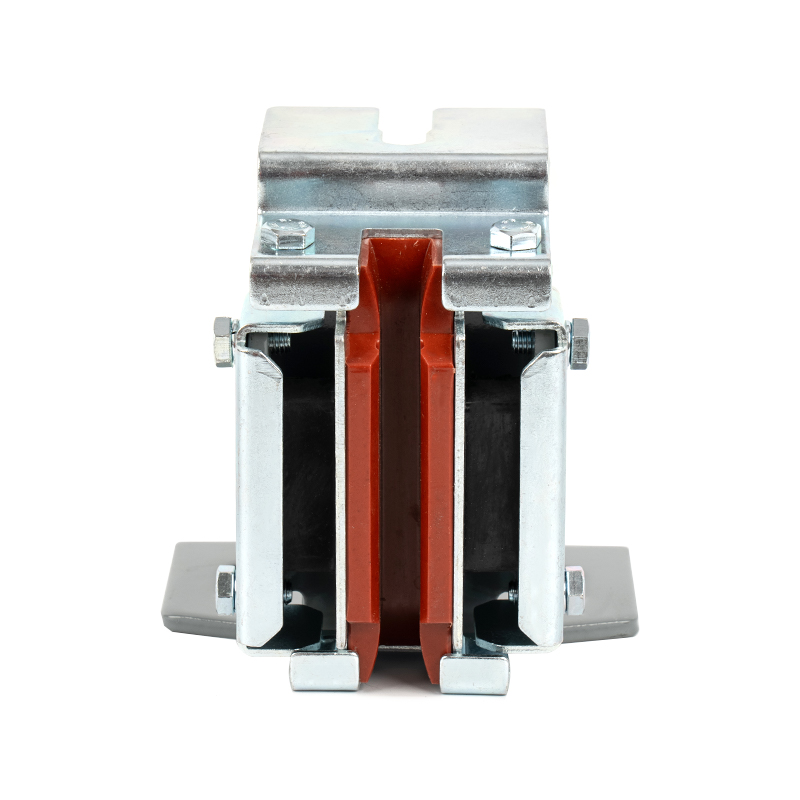
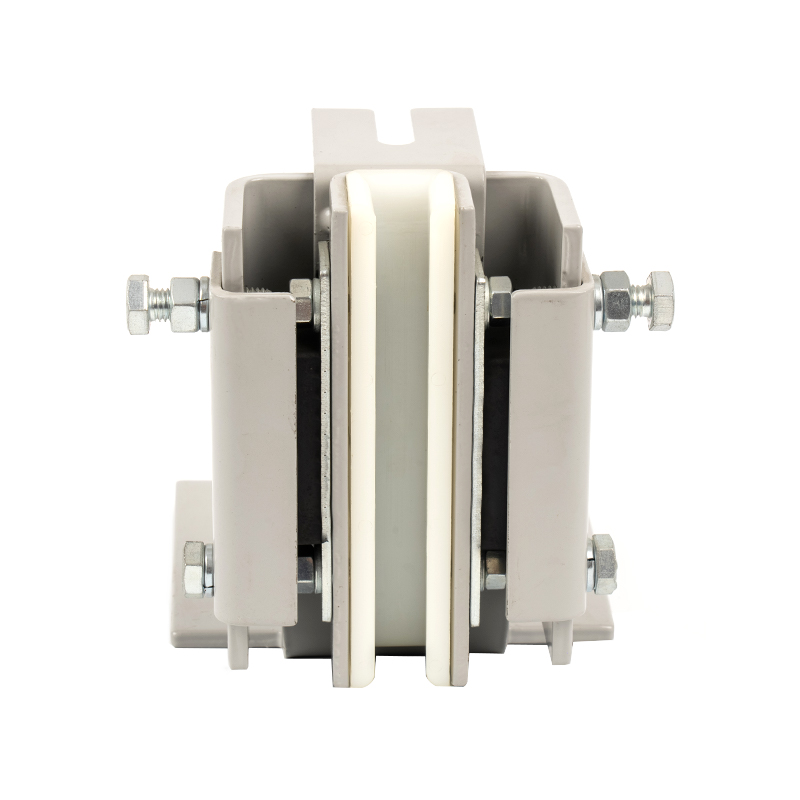
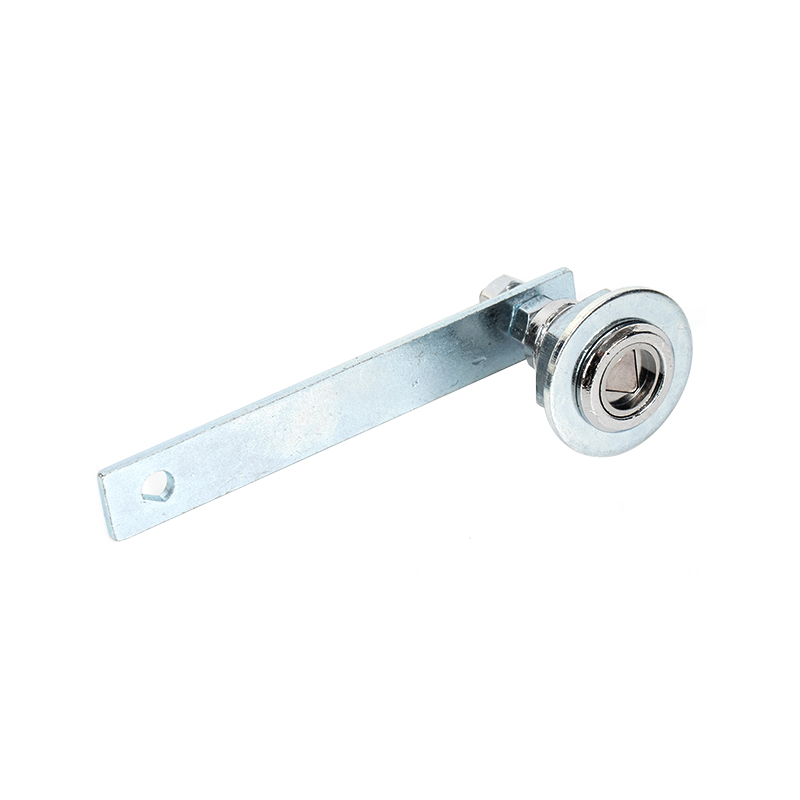
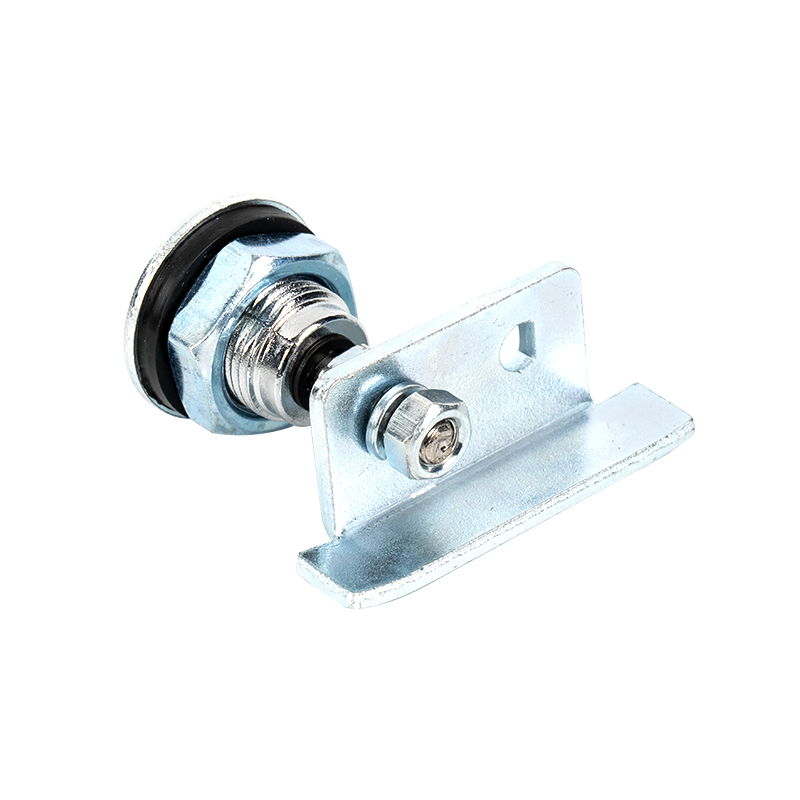
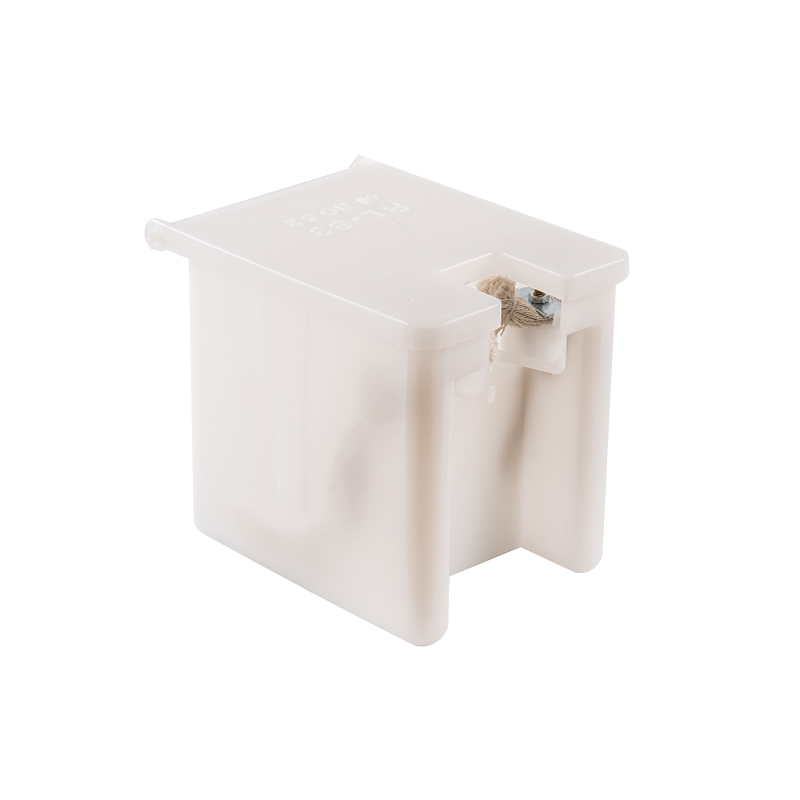
The Elevator Oil Cup is indispensable for elevator maintenance because it provides continuous, controlled lubrication to critical moving components — preventing metal-on-metal wear, reducing friction heat, and extending the operational lifespan of guide rails, bearings, and hydraulic systems. Without a properly functioning oil cup, elevator components degrade significantly faster, maintenance intervals shorten, and the risk of unplanned downtime rises sharply. Whether the system uses a passive reservoir or an Automatic Elevator Oil Cup mechanism, this small component plays an outsized role in the safety, efficiency, and longevity of every elevator system in service today.
Content
- 1 What an Elevator Oil Cup Does and Why It Matters
- 2 The Direct Impact on Component Lifespan and Maintenance Costs
- 3 Types of Elevator Oil Cups and Their Specific Applications
- 4 Automatic Elevator Oil Cup Systems: Why They Are Replacing Manual Cups
- 5 Consequences of Neglecting Elevator Oil Cup Maintenance
- 6 Choosing the Right Oil and Viscosity for Your Elevator System
- 7 Maintenance Frequency Trends Across Building Types
- 8 Step-by-Step Guide to Elevator Oil Cup Inspection and Replacement
- 9 Interactive Maintenance Interval Calculator
- 10 Frequently Asked Questions
- 10.1 Q1: What happens if an Elevator Oil Cup runs empty?
- 10.2 Q2: How do I know when to schedule an Automatic Elevator Oil Cup Replacement?
- 10.3 Q3: Can any oil be used in an Elevator Lubrication Oil Reservoir?
- 10.4 Q4: Are Hydraulic Elevator Oil Cup Parts interchangeable between different elevator systems?
- 10.5 Q5: How does an Elevator Oil Cup contribute to safety compliance?
What an Elevator Oil Cup Does and Why It Matters
An Elevator Oil Cup is a precision lubrication device mounted at key friction points along an elevator's mechanical system — most commonly on guide rail lubrication pads, sheave bearings, governor mechanisms, and hydraulic actuator joints. Its core function is to deliver a metered, consistent supply of lubricating oil to surfaces that experience repetitive high-load contact during every elevator cycle.
A modern mid-rise elevator completes between 150 and 300 trips per day in a typical commercial building. Over a single year, that translates to more than 100,000 mechanical cycles — each one generating friction at guide rail contact points, rope sheaves, and bearing surfaces. Without controlled lubrication from an Elevator Lubrication Oil Reservoir, these surfaces would experience accelerated wear rates that no scheduled maintenance program could adequately compensate for.
- Reduces friction coefficient at guide rail contact points by up to 60–70% compared to dry operation
- Prevents micro-pitting and surface fatigue on hardened steel guide rails
- Maintains consistent ride quality by eliminating stick-slip vibration in the car frame
- Protects bearing surfaces from contamination by forming a continuous oil film barrier
- Supports regulatory compliance with elevator safety standards including ASME A17.1 and EN 81 series
The Direct Impact on Component Lifespan and Maintenance Costs
The relationship between lubrication quality and component service life is well-documented in mechanical engineering literature. For elevator guide rails specifically, studies in elevator maintenance engineering indicate that properly lubricated rails last 3 to 5 times longer than those operating under inadequate lubrication conditions. This difference alone represents tens of thousands of dollars in deferred replacement costs over a building's service life.
The data above illustrates estimated service life differences across major elevator components. In every category, components maintained with a properly functioning Elevator Lubrication Oil Reservoir show service life improvements of 2.5 to 3.5 times over inadequately lubricated equivalents. For a 20-story commercial building with multiple elevator cars, this difference can represent hundreds of thousands of dollars over a 30-year building lifecycle.
Types of Elevator Oil Cups and Their Specific Applications
Not all elevator oil cups are designed for the same task. Understanding the different types helps maintenance engineers and facility managers select the right component for each application point within the elevator system.
| Oil Cup Type | Mechanism | Primary Application | Refill Interval |
|---|---|---|---|
| Wick-Feed Oil Cup | Capillary wicking action | Guide rail lubricators, slow-speed bearings | Every 1–3 months |
| Spring-Loaded Reservoir Cup | Spring pressure on felt pad | Guide shoes, car frame slide surfaces | Every 2–4 months |
| Automatic Drip Cup | Gravity-fed metered flow | High-cycle bearings, sheave journals | Every 4–6 months |
| Hydraulic Oil Reservoir Cup | Pressurized sealed reservoir | Hydraulic cylinder seals, actuator joints | Every 6–12 months |
| Automatic Centralized Cup | Timer or motion-triggered pump | Multiple lubrication points simultaneously | Every 6–12 months |
Hydraulic Elevator Oil Cup Parts
Hydraulic elevator systems have specialized lubrication requirements. The Hydraulic Elevator Oil Cup Parts used in these systems must withstand operating pressures of 500 to 3,500 PSI depending on the system design, and they must maintain seal integrity across temperature fluctuations that can range from ambient building temperature down to near-freezing in below-grade machine rooms. Key hydraulic cup components include the reservoir body, pressure relief valve, sight glass indicator, and the outlet fitting that connects to the hydraulic line.
Automatic Elevator Oil Cup Systems: Why They Are Replacing Manual Cups
The shift toward Automatic Elevator Oil Cup Replacement systems reflects a broader trend in predictive and automated building maintenance. Traditional manual oil cups require a technician to physically inspect, refill, and adjust each cup on a scheduled basis — a process that is time-consuming and subject to human error. Automatic systems eliminate many of these variables.
Modern automatic oil cups use either timer-controlled micro-pumps or motion-triggered dispensing mechanisms that release precise doses of lubricant based on actual elevator usage cycles. In high-traffic installations where an elevator makes 400+ trips per day, automatic cups can dispense as little as 0.1 ml of oil per lubrication cycle — enough to maintain a functional oil film without wasteful over-lubrication that drips onto shaft walls and creates housekeeping issues.
- Consistent delivery: Automatic systems remove the variability of manual refilling — every lubrication point receives the correct volume regardless of technician availability
- Reduced technician visits: Automated systems can extend maintenance intervals from monthly to semi-annual, significantly reducing labor costs in multi-elevator buildings
- Usage-based dispensing: Motion-triggered models only lubricate when the elevator is actually operating, preventing oil waste during low-traffic periods such as nights and weekends
- Low-level indicators: Most automatic units include a visual or electronic low-oil warning that integrates with building management systems for proactive maintenance scheduling
Consequences of Neglecting Elevator Oil Cup Maintenance
Deferred oil cup maintenance is one of the most commonly cited root causes in elevator component failure investigations. The consequences extend from minor ride quality degradation to serious mechanical failures that trigger regulatory shutdowns.
Industry maintenance data indicates that approximately 38% of reported elevator noise and vibration complaints trace back to insufficient lubrication at guide rail contact points. Guide rail wear accounts for 27% of lubrication-related issues, while bearing failures — often the most costly to repair — represent 18%. Unplanned shutdowns and regulatory violations, though less frequent, carry the highest operational and reputational cost for building operators.
The Compounding Cost of Deferred Lubrication
When an elevator runs dry at guide rail lubrication points, the immediate damage is micro-scale — surface hardening, micro-crack initiation, and oxide layer formation. Within 30 to 90 days of inadequate lubrication, these micro-scale issues compound into measurable rail scoring and increased car vibration. By the time damage becomes audible or felt by passengers, the repair scope has typically expanded from a simple oil cup refill to rail reconditioning or replacement — a cost difference that can be 20 to 50 times greater than the original maintenance task.
Choosing the Right Oil and Viscosity for Your Elevator System
The effectiveness of an Elevator Lubrication Oil Reservoir depends not only on the cup mechanism but also on using the correct lubricant. Elevator systems specify lubricant types based on the component being lubricated and the operating environment of the machine room.
- Guide rail lubricant: Typically a light mineral or synthetic oil with ISO VG 32–68 viscosity, providing a thin, clean film that does not attract dust or contaminate the elevator pit
- Sheave and bearing lubricant: ISO VG 100–150 oils or NLGI Grade 2 grease for slower-moving bearing surfaces that require higher film thickness under load
- Hydraulic system fluid: AW (anti-wear) hydraulic oil, typically ISO VG 46 or ISO VG 68, with fire-resistant formulations required in certain jurisdictions for below-grade hydraulic systems
- Temperature considerations: In unheated machine rooms or below-grade installations, select lubricants with a pour point at least 10°C below the minimum expected ambient temperature to ensure flow at startup
- Compatibility check: Never mix lubricants of different base oil types (mineral vs. synthetic, PAO vs. ester) in the same oil cup without a full drain and flush — incompatible lubricants can gel and block wick feeds
Maintenance Frequency Trends Across Building Types
Oil cup inspection and refill frequency varies significantly based on elevator usage intensity, which correlates strongly with building type and occupancy level.
Hospital elevators average the highest daily cycle counts — often 370–395 trips per day — due to round-the-clock operations and frequent bed transport. This usage intensity directly drives oil cup refill frequency: hospital elevator oil cups typically require inspection every 4–6 weeks compared to every 8–12 weeks for residential mid-rise buildings. Matching maintenance intervals to actual usage intensity is a fundamental principle of effective Elevator Oil Cup management.
Step-by-Step Guide to Elevator Oil Cup Inspection and Replacement
Proper inspection and Automatic Elevator Oil Cup Replacement procedures ensure that lubrication systems perform reliably between service visits. The following procedure applies to standard wick-feed and spring-loaded cup types:
- Park and isolate the elevator: Bring the car to the lowest landing, engage the inspection switch, and follow lockout/tagout procedures before accessing the car top or pit.
- Locate all oil cup positions: Identify cup positions on upper and lower guide shoes (typically four per car), governor mechanism, and any sheave bearing points specified in the manufacturer's documentation.
- Check oil level in each reservoir: On transparent cup bodies, verify oil level is between the minimum and maximum fill marks. On opaque cups, remove the filler cap carefully and use a clean dipstick or probe to check level.
- Inspect wick and felt pad condition: Remove and examine the wick or felt pad for contamination, hardening, or compression set. Replace any wick that is discolored, brittle, or has lost its oil-absorption capacity.
- Check oil condition: Used oil that appears dark brown or black, contains visible particulates, or has a burnt odor should be drained and replaced with fresh lubricant of the specified grade.
- Refill to the correct level: Use only the lubricant type specified on the elevator data plate or in the maintenance manual. Do not mix lubricant types and do not overfill, as excess oil can drip onto brakes or floor landings.
- Verify delivery rate on automatic cups: For automatic or timer-controlled oil cups, verify the dispensing rate against the manufacturer's specification by observing one dispensing cycle after restoring power.
- Document and log: Record oil levels found, oil volume added, wick condition, and lubricant type used in the maintenance log. This data supports predictive interval adjustments based on actual consumption rates.
Interactive Maintenance Interval Calculator
Use the tool below to estimate the recommended oil cup inspection interval for your elevator installation based on building type and daily usage:
Frequently Asked Questions
Q1: What happens if an Elevator Oil Cup runs empty?
When an oil cup runs empty, the lubricated surface — typically the guide rail contact pad — begins operating dry. Within days to weeks of dry running, metal-to-metal contact causes surface micro-pitting, increases vibration, and generates audible squealing or rumbling. If not corrected, this progresses to visible rail scoring, bearing damage, and potential regulatory shutdown for safety violations.
Q2: How do I know when to schedule an Automatic Elevator Oil Cup Replacement?
Most automatic oil cups have a transparent reservoir with minimum and maximum level marks, or an electronic low-level indicator. Physical replacement of the cup unit itself is typically warranted when the dispensing mechanism fails to deliver oil consistently, the reservoir body is cracked, seals are leaking, or the unit has completed its rated service cycle — generally 5 to 10 years depending on the product specification.
Q3: Can any oil be used in an Elevator Lubrication Oil Reservoir?
No. Using the wrong viscosity or oil type can result in inadequate film thickness (too light), blocked wick feeds (too heavy), or chemical incompatibility with seals and wick materials. Always use the lubricant grade specified in the elevator manufacturer's maintenance manual, and confirm compatibility when switching between mineral and synthetic formulations.
Q4: Are Hydraulic Elevator Oil Cup Parts interchangeable between different elevator systems?
Not always. Hydraulic oil cup parts vary in thread sizing, pressure ratings, reservoir volume, and outlet fitting dimensions. Always verify the part number against the original equipment specification or consult the system's maintenance documentation before replacing hydraulic oil cup components. Using an undersized or incompatible part in a pressurized hydraulic circuit is a safety hazard.
Q5: How does an Elevator Oil Cup contribute to safety compliance?
Regulatory standards such as ASME A17.1 in North America and EN 81-20/50 in Europe require that elevator components be maintained in a condition that prevents excessive wear, noise, and vibration. A properly functioning oil cup is a documented requirement under these standards' lubrication provisions. During inspections, inspectors may check for evidence of adequate lubrication at guide rail points and bearing surfaces; inadequate lubrication is a citable deficiency that can result in conditional approval or suspension of operation.