
 English
 中文简体
中文简体
Content
- 1 The Direct Answer: Roller Guide Shoes Are a Primary Safety and Ride Quality Component in Every Modern Elevator
- 2 What Elevator Roller Guide Shoes Do and How They Work
- 3 Roller Guide Shoes vs. Sliding Guide Shoes: A Performance and Safety Comparison
- 4 High Load Elevator Roller Shoes: Specifications for Heavy-Duty Applications
- 5 When and Why to Schedule Elevator Guide Roller Shoe Replacement
- 6 Custom Elevator Roller Guide Shoes: When Standard Configurations Are Insufficient
- 7 Installation and Adjustment: Getting the Maximum Safety Benefit from Roller Guide Shoes
- 8 Frequently Asked Questions
The Direct Answer: Roller Guide Shoes Are a Primary Safety and Ride Quality Component in Every Modern Elevator
Elevator roller guide shoes directly improve elevator safety by maintaining precise lateral alignment of the car and counterweight along the guide rails throughout every travel cycle — eliminating the metal-to-metal contact, vibration, and rail deviation that cause both passenger discomfort and mechanical safety failures. In 2026, with elevator traffic density increasing in urban high-rise buildings and performance expectations rising in medical, hospitality, and data center facilities, the specification and maintenance of roller guide shoes has moved from a routine maintenance item to a critical safety and compliance engineering decision.
According to data compiled by the National Elevator Industry Inc. (NEII), guide system failures — including worn guide shoes — are among the top five causes of elevator callback incidents in North America. Globally, the elevator maintenance market is growing at approximately 5.2% annually as building owners invest in upgrading aging guide systems to meet modern ASME A17.1 and EN 81-20 safety standards. Properly specified and maintained elevator roller guide shoes are central to this safety improvement program.
What Elevator Roller Guide Shoes Do and How They Work
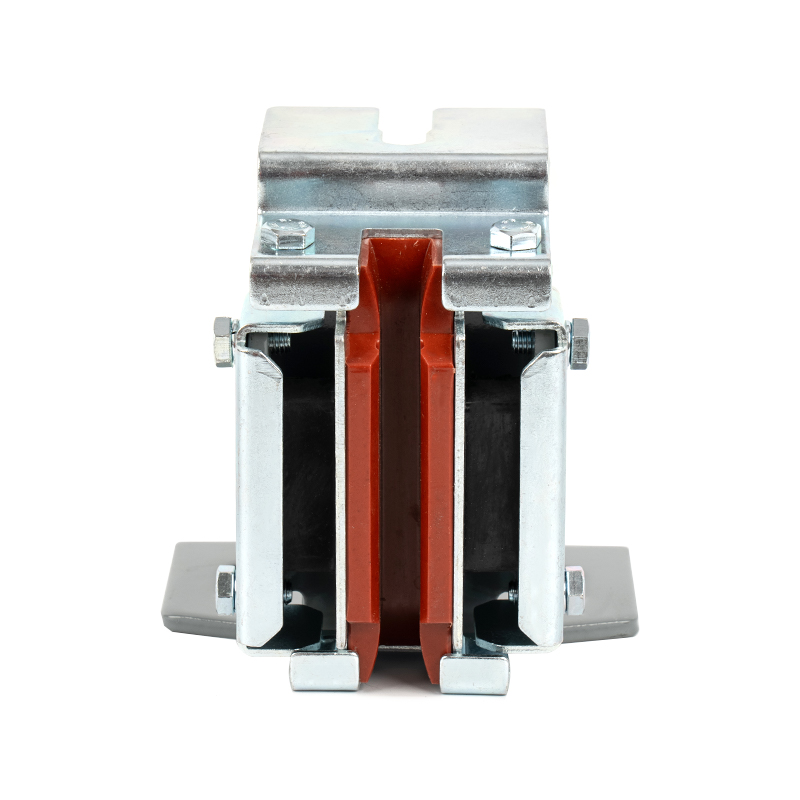
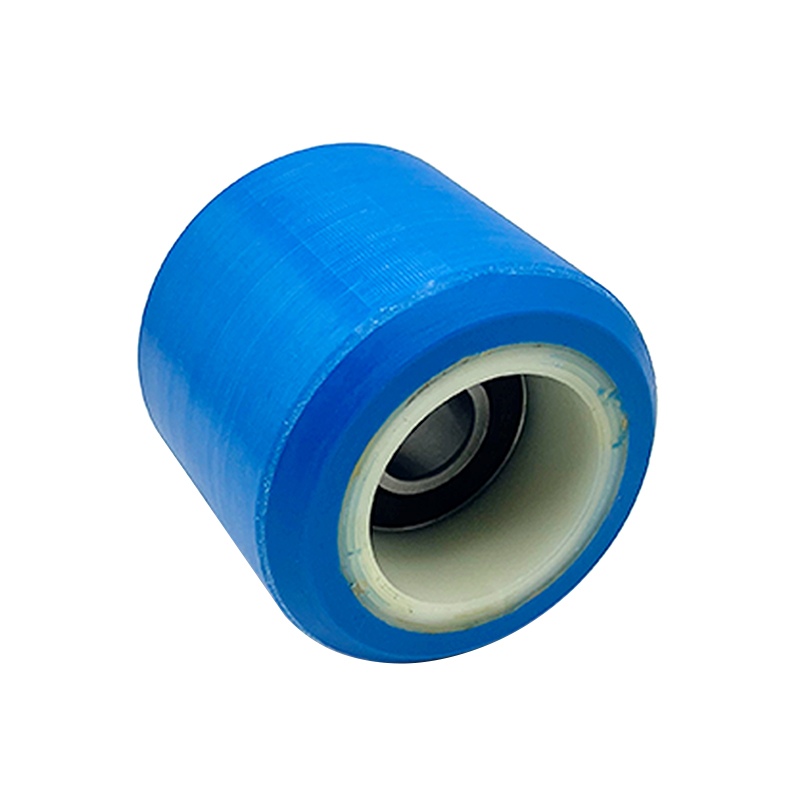
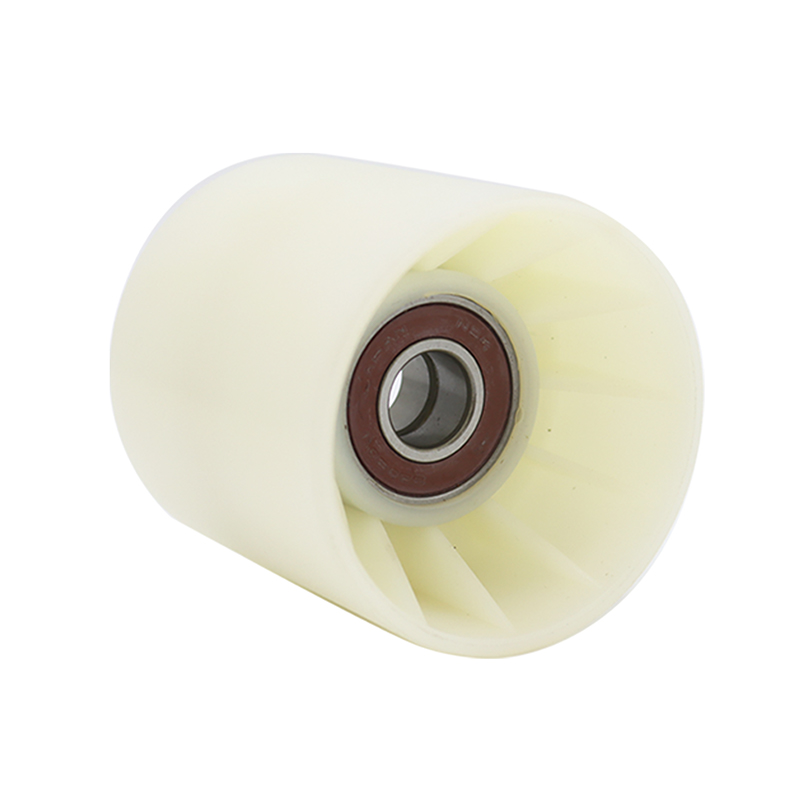
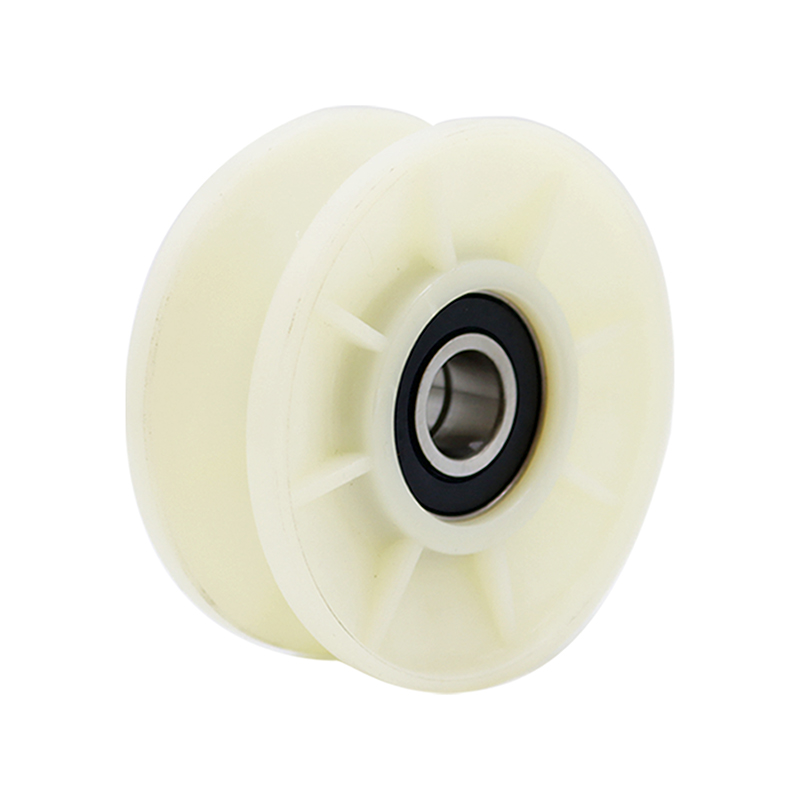
An elevator roller guide shoe is a precision assembly mounted at each corner of the elevator car frame and counterweight frame — typically four positions per car and four per counterweight — that engages the three faces of the T-shaped guide rail as the elevator travels. Each assembly consists of three polyurethane or nylon-compound rollers arranged in a triangular configuration to contact the rail head face and both side flanges simultaneously.
As the car travels, the rollers rotate against the rail surface rather than sliding along it — the fundamental operational difference from sliding (bronze or graphite) guide shoes. This rolling contact eliminates the continuous friction that generates heat, noise, rail wear, and the periodic lubrication requirement inherent in sliding shoe systems. The spring-loaded mounting of each roller maintains consistent contact pressure against rail irregularities, joints, and minor misalignments without transmitting shock forces into the car frame.
The Three-Roller Configuration and Its Safety Significance
The three-roller arrangement within each guide shoe assembly is not arbitrary — it provides constraint in every lateral direction simultaneously. The front (head) roller resists forces pushing the car away from the rail, while the two side (flange) rollers resist forces in both lateral directions perpendicular to travel. This six-degree-of-constraint system across all four corners of the car means that the elevator car is mechanically guided in all lateral planes at all times during travel — a fundamental requirement for safe safety gear engagement if an overspeed condition occurs.
If guide shoes are worn, the rollers no longer maintain consistent rail contact. Lateral play develops between the car and rail — measured in tenths of a millimeter in precision applications. This play causes the oscillation that passengers perceive as sway, and more critically, it reduces the reliability of the safety gear engagement geometry that activates in an emergency stop scenario.
Roller Guide Shoes vs. Sliding Guide Shoes: A Performance and Safety Comparison
Understanding the performance gap between roller and sliding guide shoe systems clarifies why elevator guide roller shoe replacement programs are now standard practice in mid-tier and premium elevator modernization projects globally.
| Performance Parameter | Roller Guide Shoes | Sliding Guide Shoes |
|---|---|---|
| Vibration Level (lateral) | <0.5 m/s² (ISO 18738) | 0.8–2.0 m/s² |
| Noise Generation | Low (rolling contact) | Moderate–High (friction) |
| Rail Lubrication Required | None (dry running) | Yes (continuous) |
| Rail Wear Rate | Minimal | Moderate–High |
| Max. Travel Speed | Up to 10+ m/s | Typically <2.5 m/s |
| Service Interval | 12–24 months (inspect) | 3–6 months (re-lubricate) |
| Suitable for High-Speed Elevators | Yes | No |
The data makes clear that roller guide shoes are not simply a comfort upgrade — they are a prerequisite for safe operation at speeds above 2.5 m/s and a significant maintenance cost reducer at all speeds due to the elimination of regular lubrication servicing. Any elevator traveling at 1.6 m/s or above should be specified with roller guide shoes as a baseline engineering requirement under current industry best practice.
High Load Elevator Roller Shoes: Specifications for Heavy-Duty Applications
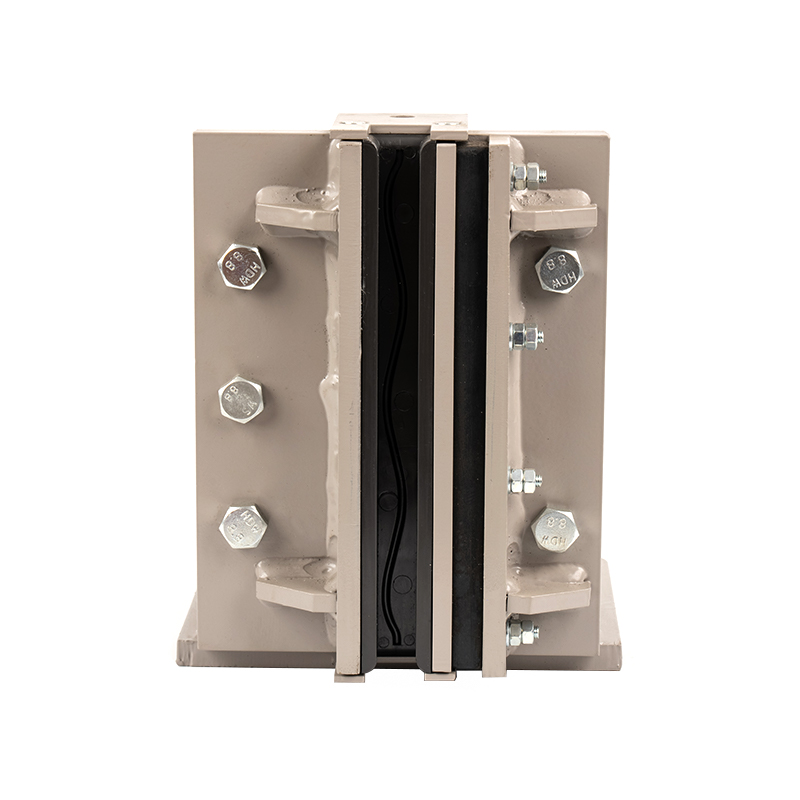
Standard elevator roller guide shoes are designed for passenger elevator duty cycles with rated loads typically up to 1,600–2,000 kg. However, freight elevators, hospital bed lifts, car park lifts, industrial hoists, and high-capacity service elevators require high load elevator roller shoes engineered specifically for the additional lateral forces, impact loads, and extended duty cycles these applications impose.
The key differences between standard and high-load roller guide shoe specifications include:
- Roller diameter and width: High-load rollers typically use 100–160mm diameter wheels compared to 70–90mm in standard assemblies, distributing contact stress over a larger rail surface area and reducing peak contact pressure that causes premature roller flat-spotting.
- Bearing specification: High-load assemblies use deep-groove ball bearings or sealed cylindrical roller bearings with dynamic load ratings of 15–40 kN compared to 5–12 kN in standard duty versions, to sustain the higher radial forces from heavy car loads and acceleration dynamics.
- Spring preload adjustment range: High-load shoes provide a wider spring adjustment range — typically 50–500N preload — to accommodate variations in rail gauge, joint step heights, and rail surface condition more common in freight shaft environments.
- Frame material: Cast iron or forged steel frames replace the aluminum die-cast frames used in standard passenger elevator shoes, providing the structural rigidity needed to maintain roller alignment under heavy eccentric loading from uncentered freight.
- Roller compound hardness: High-load polyurethane rollers are formulated at 85–95 Shore A hardness (vs. 60–75 Shore A for standard passenger comfort-optimized rollers) to resist deformation under sustained high contact stress without developing flat spots during low-speed freight operation.
| Application Type | Rated Load | Roller Diameter | Roller Hardness | Frame Material |
|---|---|---|---|---|
| Passenger (standard) | 630–1,600 kg | 70–90 mm | 60–75 Shore A | Aluminum alloy |
| High-Speed Passenger | 1,000–2,000 kg | 80–100 mm | 65–80 Shore A | Aluminum / steel hybrid |
| Hospital / Bed Lift | 2,000–3,200 kg | 100–120 mm | 75–85 Shore A | Cast steel |
| Freight / Industrial | 3,200–10,000+ kg | 120–160 mm | 85–95 Shore A | Forged steel |
When and Why to Schedule Elevator Guide Roller Shoe Replacement
Elevator guide roller shoe replacement is not triggered by a fixed calendar interval — it is driven by measurable wear indicators that maintenance engineers assess during periodic inspections. Understanding these triggers enables building owners and maintenance contractors to replace roller shoes proactively before performance or safety degradation occurs.
Primary Wear Indicators Requiring Replacement
- Roller flat-spotting: A localized flat area on the roller circumference caused by the car stopping with the roller in the same position repeatedly. Flat spots create a periodic thump or vibration pulse at each revolution during travel. Any flat spot exceeding 1mm depth on a passenger elevator warrants replacement.
- Roller compound wear-through: The polyurethane or nylon compound layer on the roller is consumed over time. When the compound thickness falls below 3mm, the underlying metal hub begins to bear against the rail surface — creating metal-on-metal contact, rail scoring, and a dramatic increase in vibration and noise.
- Bearing failure: Seized, rough, or noisy roller bearings indicate internal bearing failure. A failed bearing prevents the roller from rotating, converting the roller guide shoe into a friction shoe — eliminating the key performance and safety advantage of the roller system.
- Spring tension loss: The spring preload maintaining roller contact with the rail degrades over time from metal fatigue and set. When preload falls below the minimum specified for the rail gauge, the rollers lose consistent contact during travel over rail joints or misaligned rail sections.
- Vibration measurement exceedance: ISO 18738 defines ride quality limits for elevator acceleration. Measured lateral vibration exceeding 0.8 m/s² in a passenger elevator during normal operation is a direct indicator that guide system intervention — typically roller shoe replacement — is required.
Typical Replacement Intervals by Application
While replacement should be condition-based, typical intervals under normal operating conditions provide a useful planning baseline:
- Low-traffic passenger elevators (under 100 trips/day): Inspect every 12 months; replace rollers approximately every 3–5 years.
- High-traffic passenger elevators (100–500 trips/day): Inspect every 6 months; replace rollers approximately every 18–30 months.
- High-speed elevators (above 3 m/s): Inspect every 6 months; replace rollers every 12–18 months due to accelerated compound wear at higher contact velocities.
- Freight and heavy-duty elevators: Inspect every 3 months; replace rollers every 12–24 months depending on load cycling intensity.
Custom Elevator Roller Guide Shoes: When Standard Configurations Are Insufficient
Standard catalog roller guide shoes cover the vast majority of passenger and light commercial elevator applications. However, several situations require a custom elevator roller guide shoe engineered to specific dimensional, load, or performance parameters:
- Non-standard rail profiles: Older buildings may have guide rails manufactured to legacy European, American, or Asian dimensional standards that do not correspond to current T-rail profiles (T70B, T82B, T89, T127 etc.). Custom assemblies replicate the roller geometry and spring adjustment range needed for obsolete rail sections without requiring costly rail replacement.
- Specialty environments: Clean-room elevators (semiconductor fabs, pharmaceutical facilities), offshore platform hoists, cold-storage lift systems operating below -20°C, and food-processing facility lifts require roller compounds and bearing materials certified for the specific environmental conditions — low-outgassing polyurethane, stainless steel hardware, NSF-compliant lubricants.
- Seismic-rated buildings: In earthquake zones (Seismic Design Categories C–F under ASCE 7), elevator guide systems must accommodate rail displacements beyond normal tolerance ranges. Custom roller guide shoes with extended spring travel and reinforced frames prevent rail disengagement during seismic events that would otherwise result in car derailment.
- Ultra-high-speed elevators: Elevators traveling at 6 m/s and above — now common in supertall buildings above 300 meters — require aerodynamically profiled guide shoe housings, precision-balanced roller assemblies, and bearing specifications verified by dynamic simulation to remain within vibration limits at full operating speed.
- Modernization retrofits: When upgrading an older elevator with a new drive system, controller, and safety components, the existing guide shoe mounting interface may not match any current catalog product. Custom guide shoes bridging the old car frame geometry and new performance requirements allow full modernization without replacing the car sling structure.
Installation and Adjustment: Getting the Maximum Safety Benefit from Roller Guide Shoes
The engineering quality of the roller guide shoe assembly is only fully realized when it is correctly installed and adjusted. Improper installation negates the performance advantage of even the highest-specification components.
- Verify rail gauge and rail face condition before installation. Rail joints with steps exceeding 0.5mm or face wear creating grooves deeper than 0.3mm will cause premature roller flat-spotting regardless of roller quality. Address rail condition before fitting new shoes.
- Set spring preload symmetrically on opposing shoes. Asymmetric spring tension between car corners creates a persistent lateral bias force that causes the car to ride against one rail pair continuously — accelerating wear on one set of rollers while the opposing set is underloaded.
- Measure clearance between roller and rail face after spring adjustment. The roller should maintain light contact with the rail face under spring preload with zero lateral play when the spring is compressed to mid-travel. Any measurable lateral float indicates insufficient preload or incorrect roller diameter for the installed rail section.
- Run the car through the full travel range after installation. Listen for periodic thumping (flat spot), scraping (misalignment), or knocking (loose mounting hardware) and inspect the roller surfaces for any marks indicating abnormal contact patterns before returning the elevator to service.
- Record baseline vibration measurements using a calibrated ride analyzer. ISO 18738 ride quality measurements taken immediately after installation establish the baseline against which future inspection measurements are compared — providing objective, quantified data to support elevator guide roller shoe replacement decisions.