
 English
 中文简体
中文简体
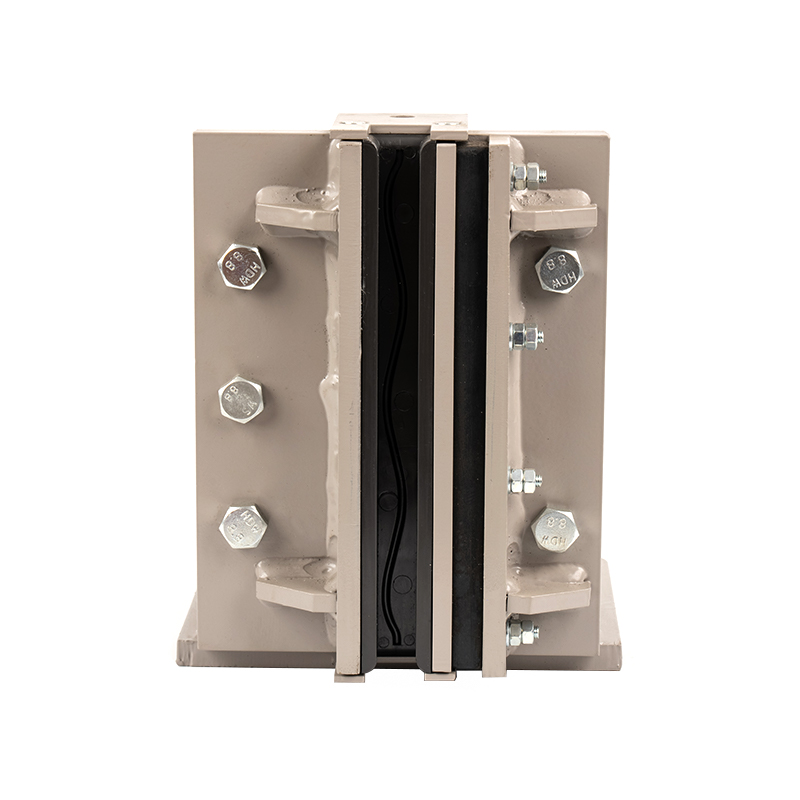
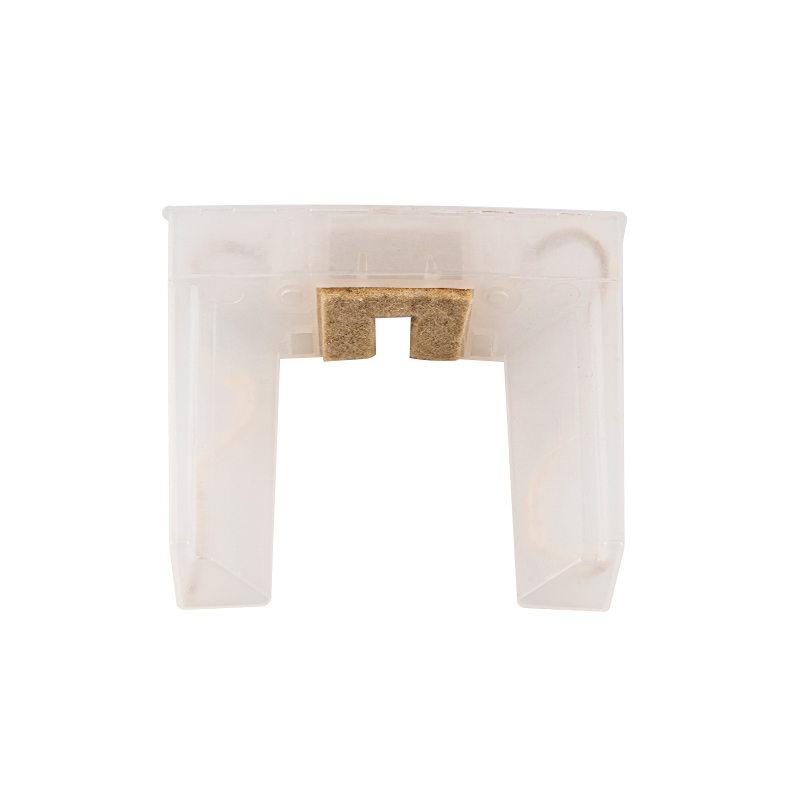
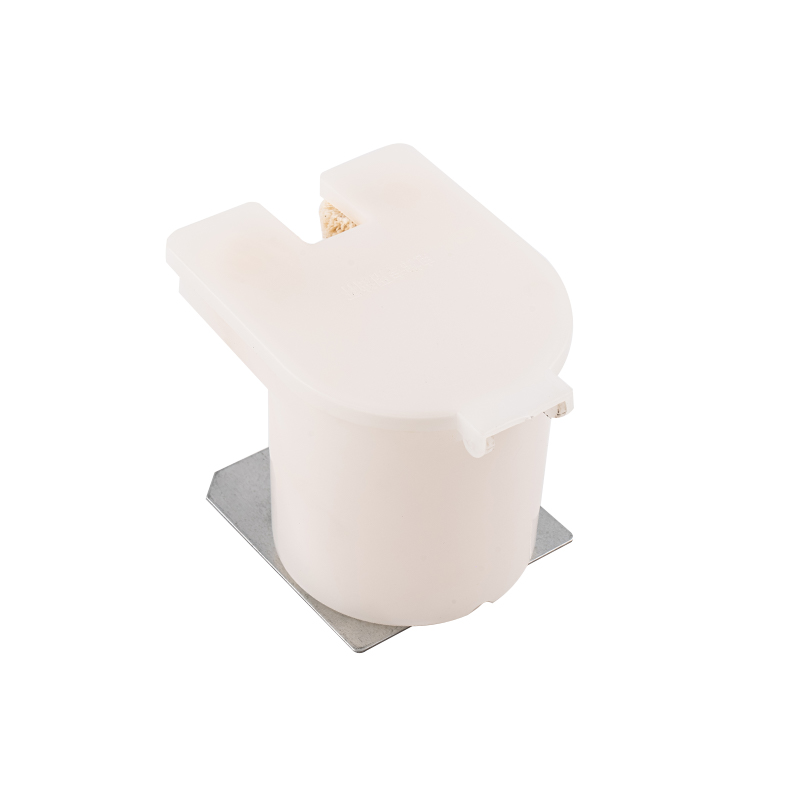
The elevator oil cup is a core component of the elevator guide rail lubrication system. Its main function is to store and release lubricating oil, continuously providing lubrication to the guide rails. If it is not refilled for a long time or maintenance is neglected, it will directly affect the operating quality and safety of the elevator.
(1) Increased guide rail wear, shortening service life
The oil cup reduces friction between the guide shoes and the guide rails. If the oil level in the oil cup is insufficient:
The friction coefficient of the guide rail surface increases.
Severe dry friction occurs during guide shoe operation.
Scratches and wear grooves appear on the guide rails.
The lifespan of the guiding system is significantly shortened.
In the long run, this not only increases maintenance costs but may also require the complete replacement of the guide rails, which is very expensive.

(2) Increased elevator operating noise, reduced riding experience
Lack of lubrication leads to severe friction between the guide rails and guide shoes, resulting in noticeable noise:
A "squeaking" friction sound occurs during upward and downward movement.
Increased vibration causes discomfort to passengers.
The elevator car movement is uneven, affecting the riding experience.
Noise is one of the earliest and most common signs of insufficient oil in the oil cup.
(3) Increased elevator operating load, making the drive system more prone to damage
Insufficient lubrication increases the resistance to the elevator car's movement:
The motor needs to output greater torque.
The control system is under high load for extended periods.
Components such as the traction machine and gearbox age faster.
Ultimately, this leads to increased energy consumption and reduced operating efficiency.
(4) Potential safety hazards
Although insufficient oil in the oil cup usually does not immediately lead to serious accidents, neglecting it for a long time can lead to potential dangers:
Excessive guide rail wear can cause the guide shoes to jam.
Unstable elevator operation can trigger frequent activation of safety devices.
In extreme cases, it may affect braking performance.
These problems, when combined, reduce the overall operational stability of the elevator.
(5) Increased maintenance costs
The wear caused by insufficient oil is irreversible, and subsequent actions may require:
Replacing guide shoe components
Repairing or replacing guide rails
Increased maintenance cycles
More frequent elevator inspections
Compared to regular oil refilling, these are multiple times the cost.
(6) Reduced overall elevator lifespan and reliability
The oil cup is a small component, but it affects the mechanical operating efficiency of the entire elevator. Failure to lubricate regularly will accelerate the aging of multiple components, leading to:
Decreased elevator reliability
Reduced service life
Increased failure rate
This will have operational consequences for commercial buildings, hotels, or residential properties.