
 English
 中文简体
中文简体
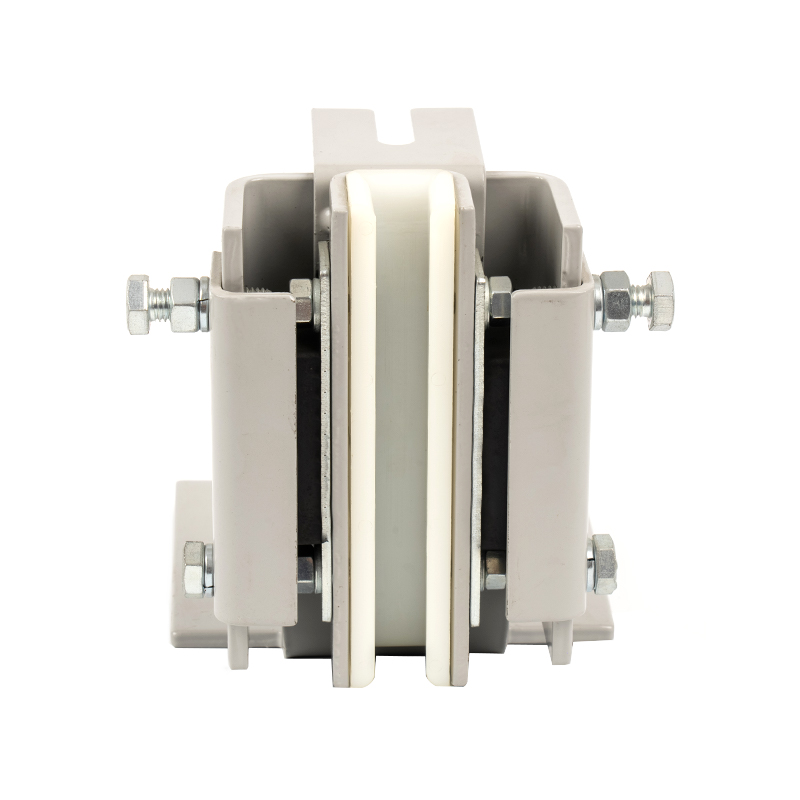
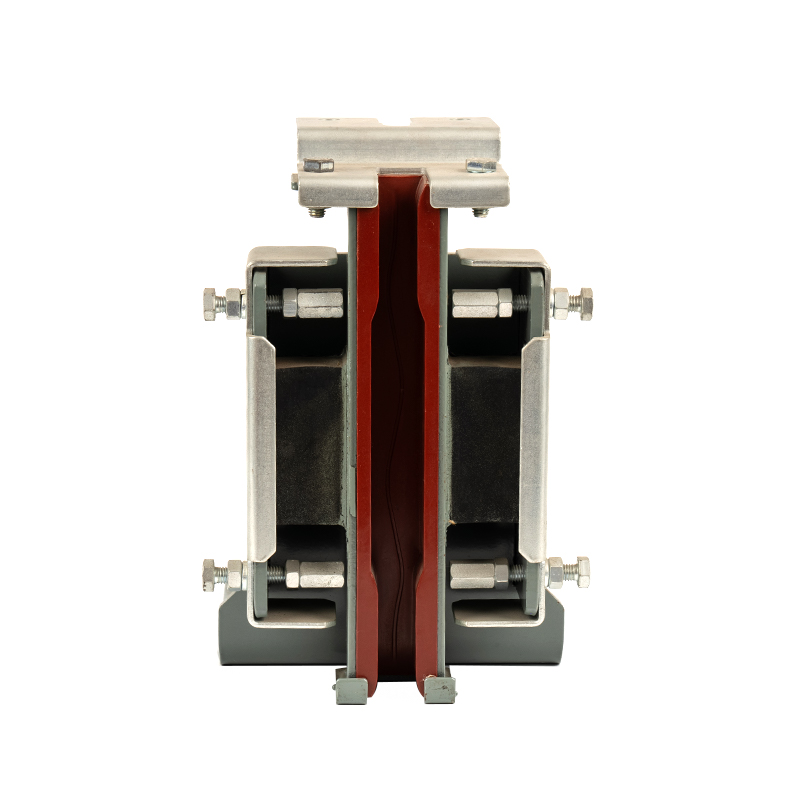
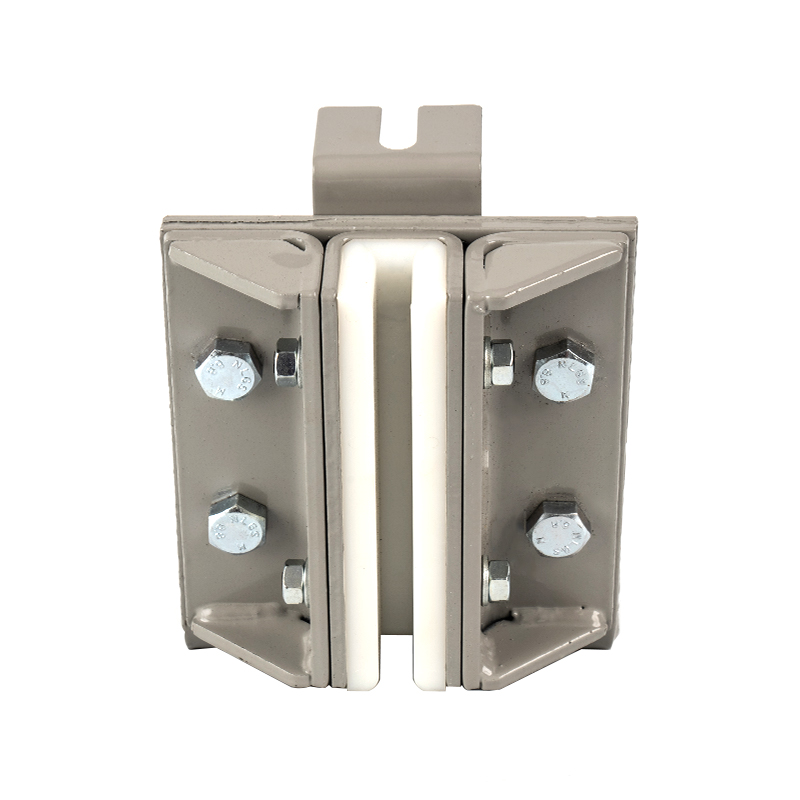
Elevator roller guide shoes are crucial components in elevator systems, primarily used to support and guide the elevator car, ensuring smooth and reliable elevator operation. The safety and comfort of an elevator largely depend on the performance of the roller guide shoes; therefore, ensuring their proper functioning is paramount. However, with increased usage time, elevator roller guide shoes may experience various malfunctions, which can not only affect elevator operating efficiency but also potentially lead to safety hazards.
1. Common Malfunctions of Elevator Roller Guide Shoes
(1) Excessive Wear of Roller Guide Shoes
Long-term use and friction cause gradual wear on the surface of the roller guide shoes, especially under heavy elevator loads, where the wear rate may accelerate. Severely worn roller guide shoes can lead to poor contact between the guide shoe and the guide rail, affecting the smooth operation of the elevator. In severe cases, abnormal noises or malfunctions may occur.
(2) Uneven or Uneven Wear of Roller Guide Shoes
Due to uneven stress, roller guide shoes may experience uneven wear, resulting in excessive wear on one side or at multiple points. Uneven wear is often caused by improper installation, uneven guide rails, or incorrect elevator car positioning. When the guide shoes wear unevenly, the smoothness of elevator operation will be affected, potentially leading to erratic operation, increased vibration, or abnormal noise.
(3) Guide Shoe Jamming or Impeded Movement
If the elevator roller guide shoes are clogged with debris or dust during operation, they may jam or become difficult to move. This usually causes the elevator to stall or even stop. Furthermore, if the roller bearings of the guide shoes are lacking lubrication, aged, or damaged, their movement will also be obstructed, affecting the normal operation of the elevator.
(4) Aging or Deformation of Guide Shoe Material
If the elevator roller guide shoe material is subjected to high pressure, high temperature, and friction for a long time, it may age, harden, or deform. In this case, the elasticity and wear resistance of the guide shoes will decrease, causing a change in the coefficient of friction between the guide shoes and the guide rails, thus affecting the smooth operation of the elevator.
(5) Excessive Noise
If there are problems with the elevator roller guide shoes, such as uneven surface wear, jamming, or insufficient lubrication, it may cause excessive noise during elevator operation. Excessive noise not only affects passenger comfort but may also indicate potential malfunctions in the elevator system.
2. Troubleshooting Methods
(1) Regular Inspection and Replacement of Roller Guide Shoes
To prevent excessive wear of the roller guide shoes from affecting elevator operation, regular inspection of the guide shoe wear is crucial. When the guide shoe wear reaches a certain level, it should be replaced promptly. Depending on the elevator's usage frequency and working environment, it is generally recommended to inspect the guide shoe wear annually and replace it as needed. Especially for elevators used under high loads and with high frequency, the inspection frequency of the roller guide shoes should be increased accordingly.
(2) Repairing Uneven or Uneven Wear
For elevator roller guide shoes with uneven or uneven wear, first check if the guide rail is flat and if the fit between the guide rail and the guide shoe is correct. If unevenness is found in the guide rail, it needs to be adjusted or replaced. If the guide rail is flat and undamaged, the force can be evenly distributed by readjusting the installation position of the guide shoe. In addition, the position of the elevator car also needs to be checked to ensure that the car has not shifted.
(3) Cleaning and Lubricating the Roller Guide Shoes
Cleanliness and lubrication are crucial for maintaining smooth movement of the elevator roller guide shoes. First, regularly remove any dust, dirt, and debris that may accumulate on the guide shoes and guide rail surfaces to prevent them from affecting the guide shoe's movement. If the rollers of the guide shoes become stuck, disassemble and inspect them, remove foreign objects, and re-lubricate the roller bearings. The commonly used lubricant should be selected according to the elevator manufacturer's recommendations to avoid using unsuitable lubricants that could cause poor guide shoe movement or damage.
(4) Replacing Aging or Deformed Guide Shoe Material
For roller guide shoe failures caused by material aging or deformation, the guide shoes should be replaced promptly. Aging guide shoe material not only fails to provide sufficient elasticity and wear resistance but may also cause more serious damage under high loads. Regularly checking the condition of the guide shoe material and replacing it as needed can effectively prevent failures caused by material aging.
(5) Inspecting and Repairing Other Elevator Components
If the elevator roller guide shoes malfunction, it may be due to problems with other elevator components (such as the elevator car, guide rail system, etc.). For example, elevator cars may experience imbalances or overloading, leading to uneven stress on the guide shoes, which can cause wear or jamming. Therefore, when troubleshooting guide shoe issues, it's also necessary to check the proper functioning of other elevator components to ensure the overall safety and reliability of the elevator system.
Elevator roller guide shoes are a critical component of the elevator system; their malfunction not only affects operating efficiency but can also threaten elevator safety. Regular inspection, timely replacement, and proper maintenance can effectively extend the lifespan of the roller guide shoes and ensure the stability of the elevator system.