
 English
 中文简体
中文简体
An elevator mechanic removes the inspection cover in the hoistway and locates the problem within minutes: the sliding guide shoe lining on the counterweight side has worn down to roughly 2 mm. The car has been drifting slightly for three weeks, and passengers felt vibration on the 12th floor. Failures like this are common, and they all trace back to a basic question: what are the parts of an elevator, and which components deserve the most attention during maintenance?
Content
- 1 The Elevator System at a Glance
- 2 Traction Drive Components
- 3 The Car and Hoistway Structure
- 4 Guidance Components: Guide Rails and Guide Shoes
- 5 Door Systems and Locking Hardware
- 6 Safety Components
- 7 Electrical and Control Components
- 8 Lubrication and Wear Parts
- 9 Maintenance Intervals at a Glance
- 10 Sliding vs. Roller Guide Shoes: Quick Comparison
- 11 Frequently Asked Questions
The Elevator System at a Glance
An elevator is not a single machine; it is a set of mechanical, electrical, and safety subsystems working together inside a vertical shaft. Most passenger elevators are traction elevators, which move with ropes and a counterweight. Hydraulic elevators, the alternative, use a cylinder and piston and are mainly limited to low-rise buildings. This article focuses on traction elevators, the dominant architecture in commercial buildings and mid-rise residences.
The isometric view below shows the main components inside a typical traction elevator hoistway, with the front faces opened for clarity.
Every component belongs to one of five functional groups: traction drive, car and hoistway structure, guidance, doors and locking, and electrical safety and control. Grouping parts this way helps maintenance teams diagnose faults faster and helps purchasing teams order the correct replacements.
Traction Drive Components
At the top of the hoistway, the traction machine turns a grooved drive sheave. Suspension ropes run over the sheave and down to the car on one side and the counterweight on the other. Friction between the ropes and the sheave grooves is what actually moves the elevator; the motor does not pull the car directly. Most modern machines use permanent-magnet synchronous motors, which are compact, quiet, and energy efficient. Gearless machines are the standard for speeds above 1.0 m/s, while geared machines still appear in slower or older installations.
The counterweight balances the car plus roughly 40 to 50 percent of rated load, which minimizes the torque the motor must produce. On a 1000 kg passenger elevator, the counterweight typically weighs between 1300 and 1500 kg depending on car weight. Suspension ropes are usually 8 to 13 mm in diameter, with three to eight ropes per installation. Rope tension and sheave groove wear should be checked regularly, because uneven tension causes vibration and accelerates sheave wear. On high-rise installations, a compensating chain between the car and counterweight bottoms offsets the changing weight of the suspension rope column.
The Car and Hoistway Structure
The car, also called the cabin, is the structure that carries passengers. It consists of a steel frame, floor, walls, ceiling, and the interior finish. The frame carries the guide shoes, the safety gear, and the door operator. The hoistway is the enclosed vertical shaft in which the car moves. It is built to local fire-resistance and dimension requirements, and its walls support the guide rails, landing doors, and electrical wiring. In machine-room-less (MRL) installations, the hoistway also supports the traction machine.
Guidance Components: Guide Rails and Guide Shoes
Guide rails are steel T-sections mounted vertically along the hoistway walls. Two rails guide the car, and two rails guide the counterweight. Rails for high-speed elevators are machined to tighter tolerances than those for low-speed freight units.
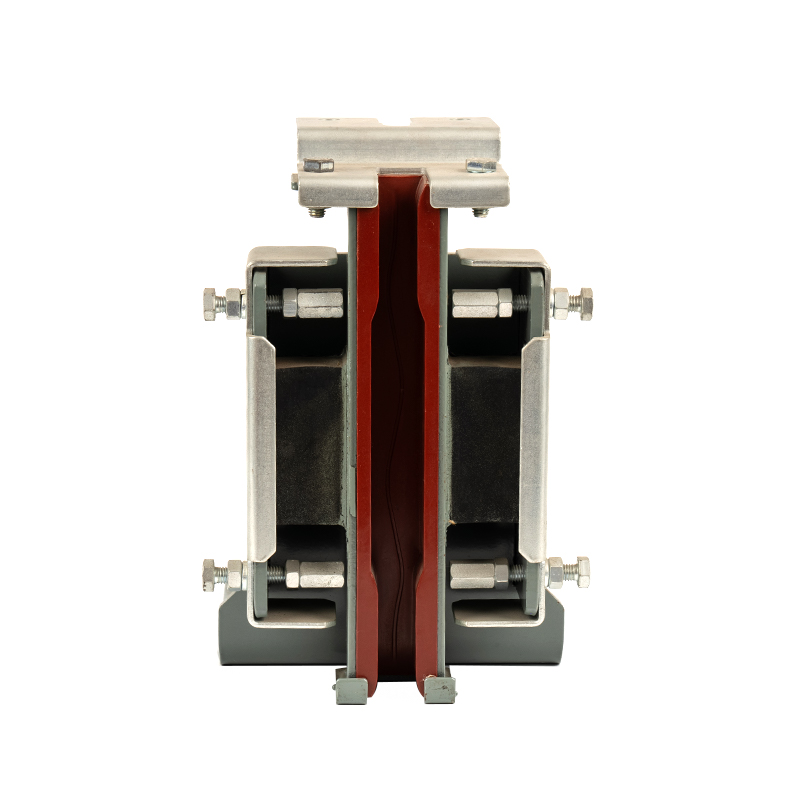
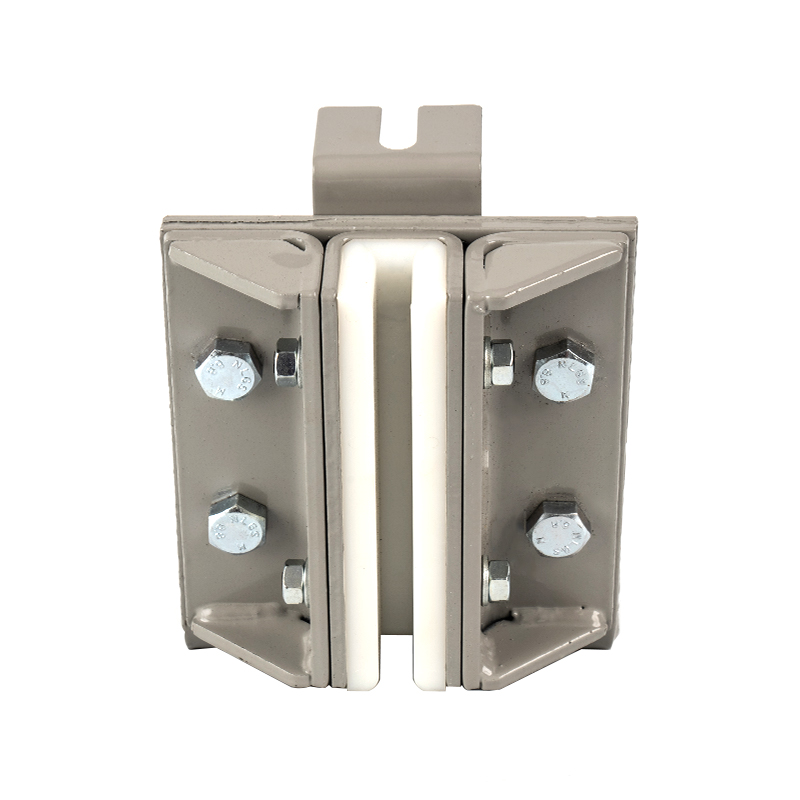
Guide shoes are the components that keep the car aligned to the rails. Sliding guide shoes use replaceable linings that slide directly on the rail surface. These linings are made from nylon or polymer composites; the older bronze type has largely disappeared because polymer linings last longer and generate less noise. Roller guide shoes use three rubber-tired wheels per shoe, two on the rail face and one on the rail side, and are the preferred option for high-speed and premium passenger elevators because they produce less vibration and noise.
The wear part on a sliding shoe is the lining. When the remaining thickness reaches about 3 mm, replacement is due. For a standard passenger elevator, a common replacement is the DX20 sliding guide shoe, which is dimensionally interchangeable with many OEM applications. For teams deciding between the two technologies, the differences between sliding and roller guide shoes are summarized in the comparison table below.
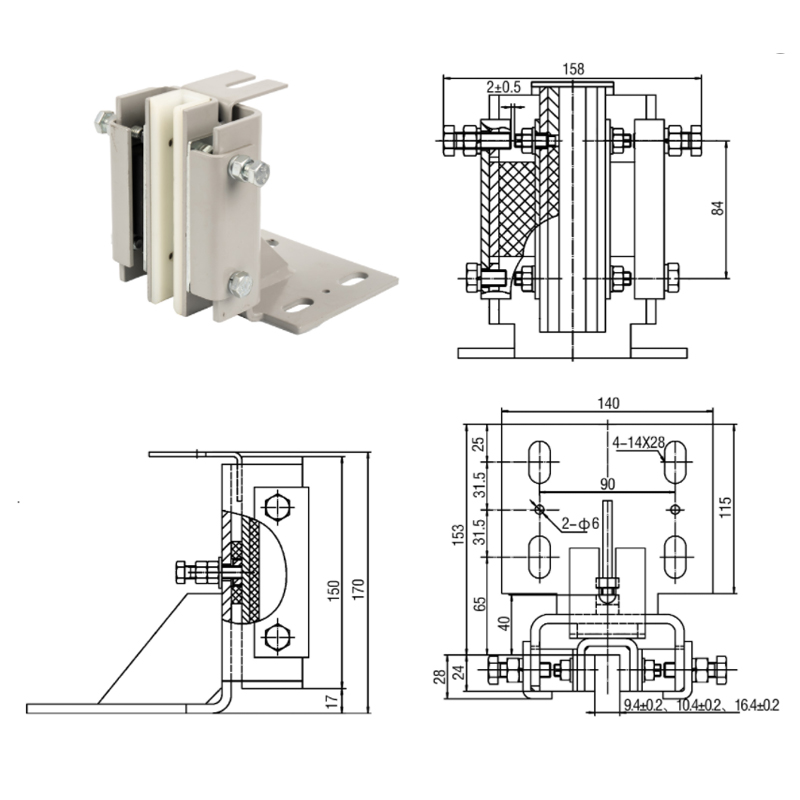 Elevator FKD-X20 Elevator Sliding Guide Shoe Suppliers, Wholesale Lift FKD-X20 ENingbo Yinzhou Fukangda Elevator Parts Factory is China OEM elevator FKD-X20 Elevator Sliding Guide Shoe suppliers and lift FKD-X20 Eleva...View Product →
Door Systems and Locking Hardware
Every elevator has two sets of doors: the car door, which moves with the car, and the landing door, which is fixed to the building structure on each floor. The door operator on the car roof drives both doors through a linkage and clutch. Door panels run in lower sills and overhead tracks, with a rubber or aluminum strip along the leading edge for passenger protection.
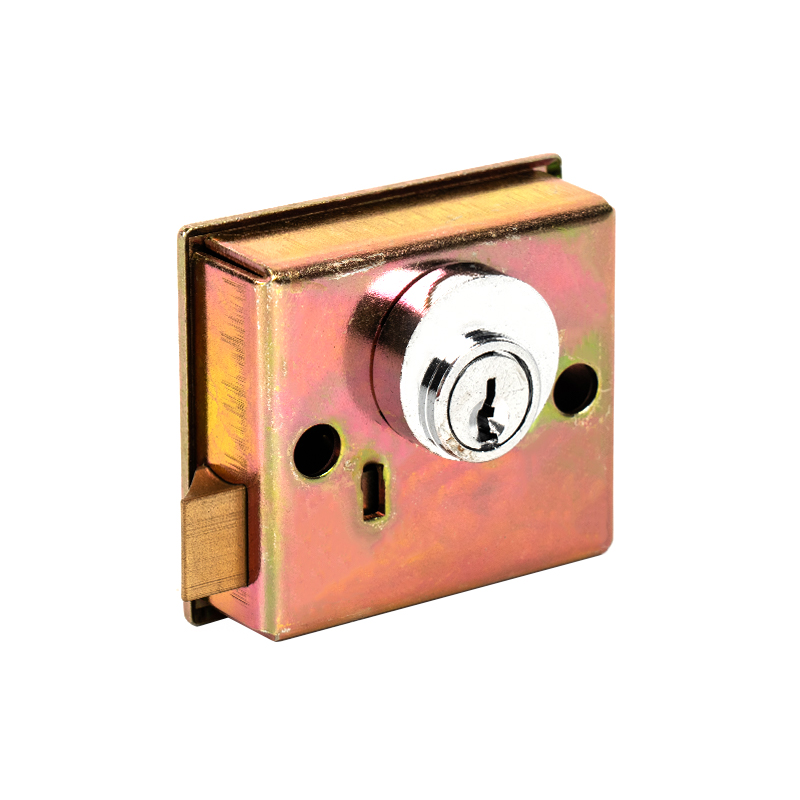
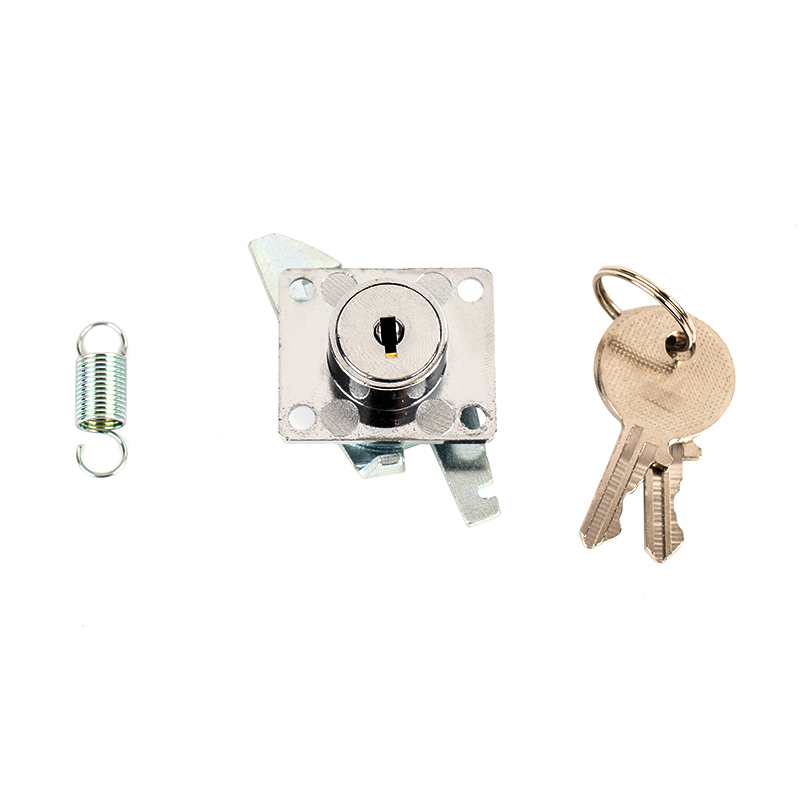
The triangle lock assembly for floor doors is the mechanical lock that allows authorized personnel to open the landing door from the landing side with a triangular key. It contains a lock case, latch, spring, and an electrical contact. If the latch is not fully closed, the safety circuit remains open and the elevator cannot run. This interlock is one of the most important safety elements in the building. Choosing an elevator triangle lock assembly matched to the landing door brand avoids mismatched hole patterns and premature latch wear.
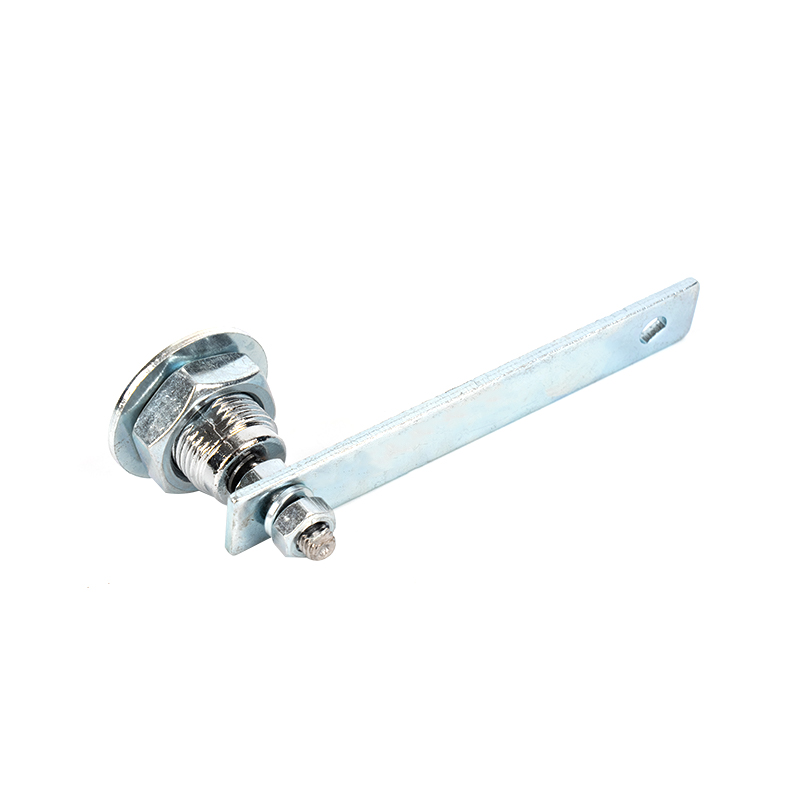 Elevator Elevator Triangle Lock Suppliers, Wholesale Lift Elevator Triangle LockNingbo Yinzhou Fukangda Elevator Parts Factory is China OEM elevator Elevator Triangle Lock suppliers and lift Elevator Triangle Lock com...View Product →
Safety Components
The main safety components are the overspeed governor, the safety gear, the buffers, and the final limit switches. The overspeed governor is a centrifugal device driven by a rope attached to the car. If the car exceeds about 115 percent of rated speed, the governor grips its rope and mechanically activates the safety gear below the car. The safety gear then clamps against the guide rails and stops the car. Under EN 81-20, the governor and safety gear must stop the car and keep it stopped under specified load conditions.
Buffers sit in the pit at the bottom of the hoistway. Oil buffers are required for speeds above 1.0 m/s, while spring and polyurethane buffers are used on slower elevators. Final limit switches cut power if the car over-travels beyond its normal range. These components normally never operate, but they must be tested periodically to confirm that they will operate when required.
Electrical and Control Components
The controller is the brain of the elevator. It processes call signals, position data, and door status, then commands the drive to move the car. Modern controllers use variable-voltage variable-frequency (VVVF) drives that adjust motor speed smoothly and recover energy during braking.
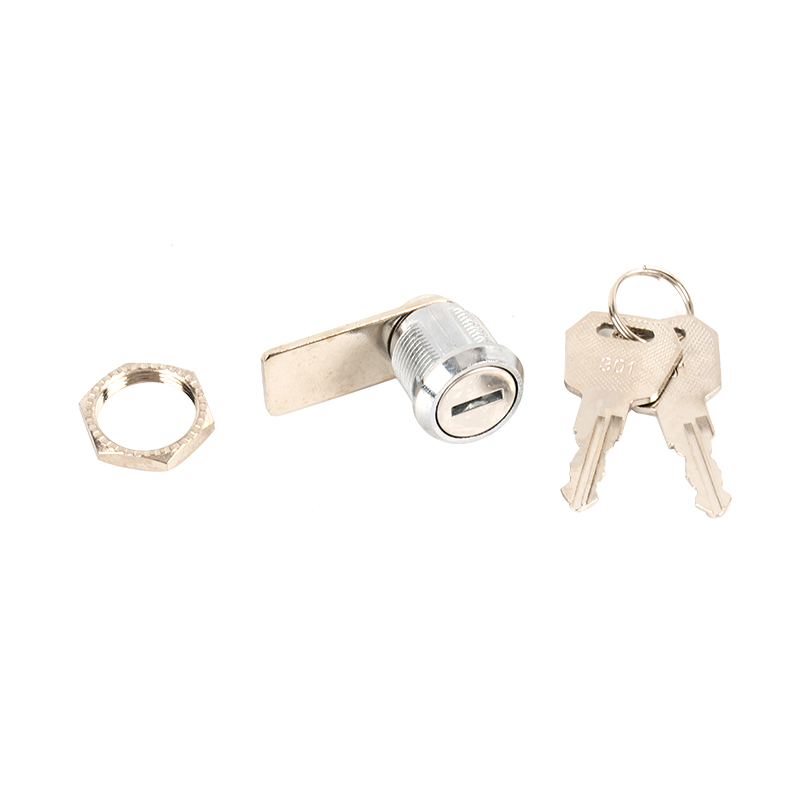
Key switches are small but critical electrical parts. They allow only authorized maintenance and inspection personnel to change operating modes. Typical examples are the machine room power lock, control box lock, base station lock, and fire service override switch. Every key switch contains a mechanical cylinder and electrical contacts. If a switch becomes stiff, the contacts may not close reliably, which leads to intermittent safety circuit faults. Regular inspection should include operating torque and contact continuity.
Lubrication and Wear Parts
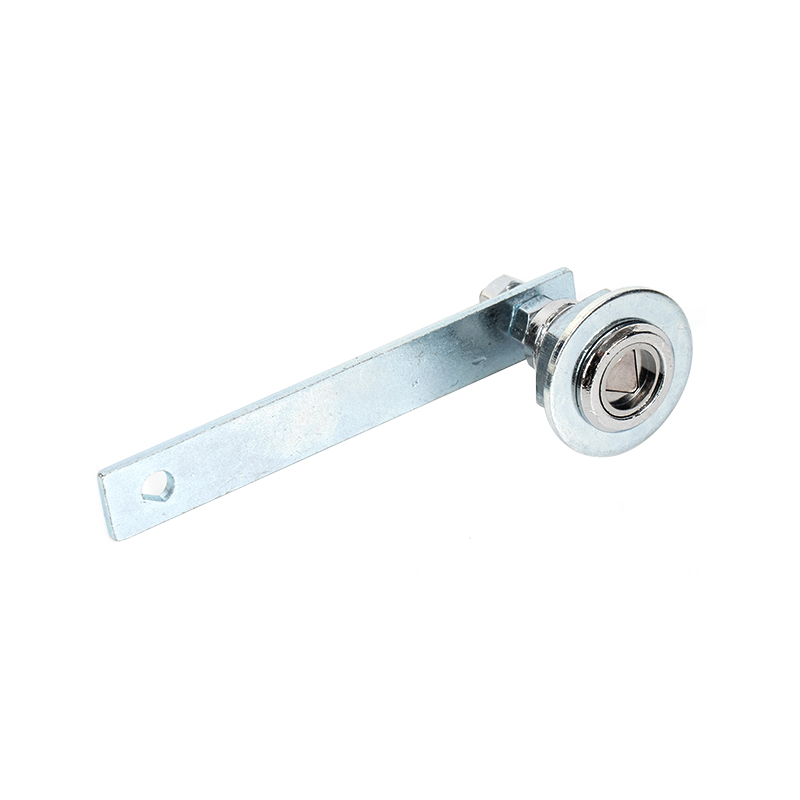
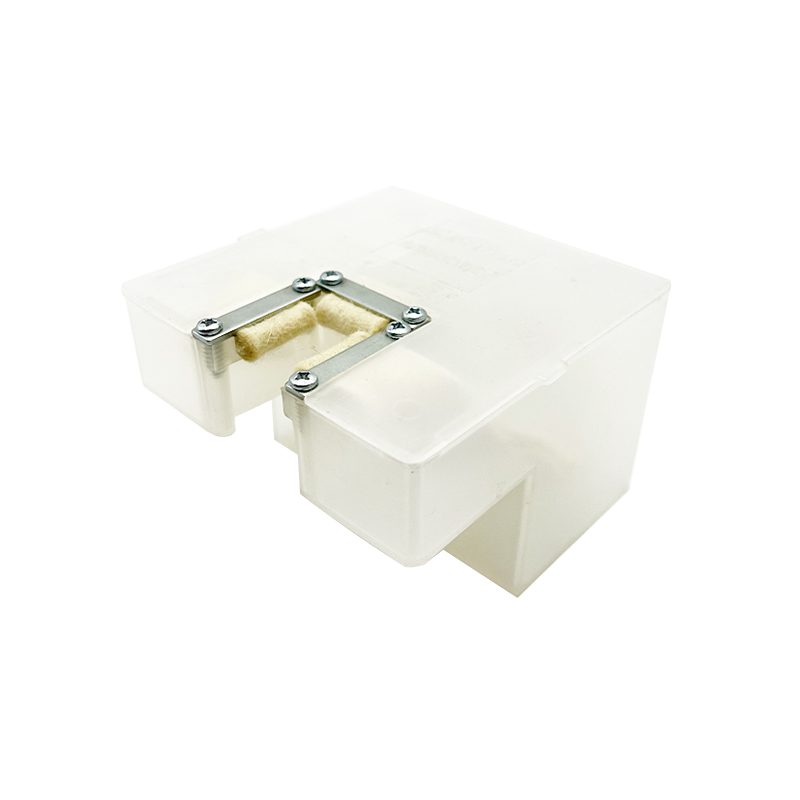
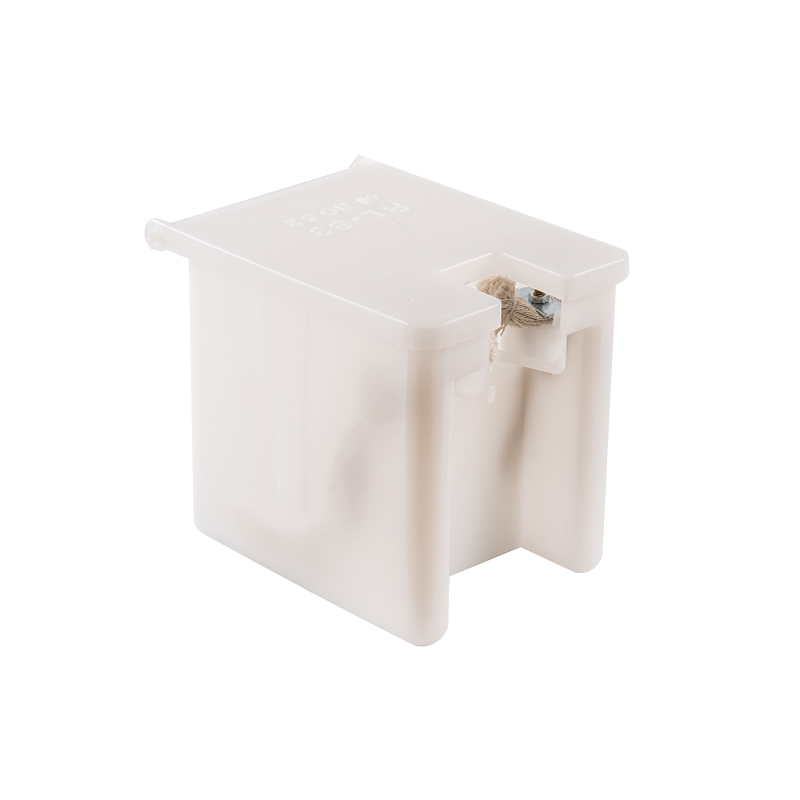
Sliding guide shoes need a thin film of oil on the rail to reduce friction and wear. The oil cup is a small reservoir mounted near the guide shoe or clamped to the rail. It feeds oil through a wick or drip nozzle at a controlled rate. Typical oil cups hold between 50 and 200 ml, and refill intervals range from one to four weeks depending on traffic and temperature.
A dry rail is one of the most common causes of premature lining wear and running noise. For maintenance teams, keeping a spare FKD9098 oil cup on the van prevents long downtime. An oil cup with a blocked wick or a damaged body should be replaced immediately rather than repaired.
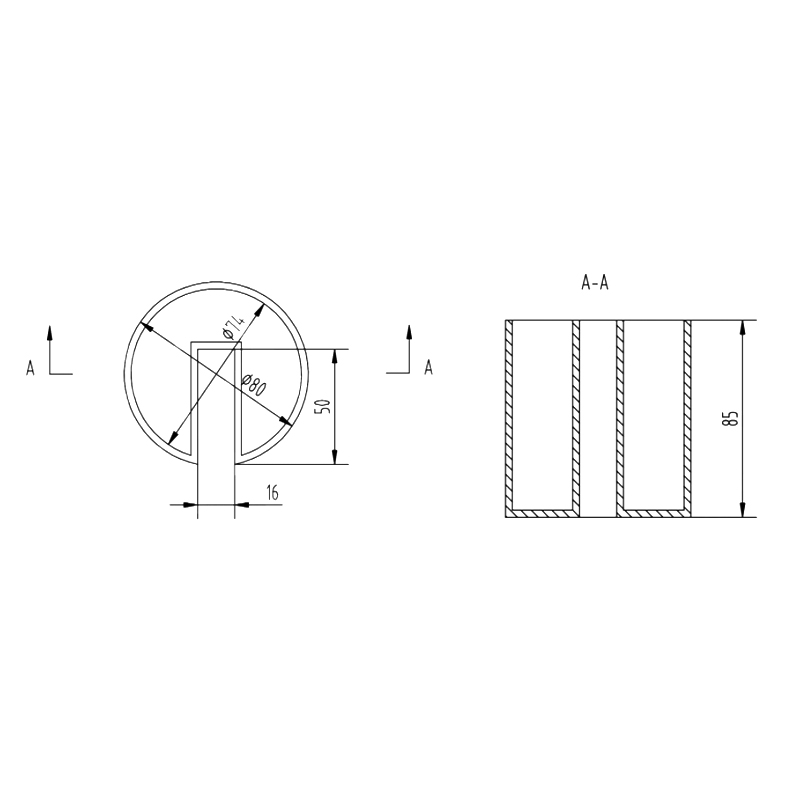 Elevator FKD-9098 Oil Cup Suppliers, Wholesale Lift FKD-9098 Oil Cup Company - NNingbo Yinzhou Fukangda Elevator Parts Factory is China OEM elevator FKD-9098 Oil Cup suppliers and lift FKD-9098 Oil Cup company, , We s...View Product →
Maintenance Intervals at a Glance
Although every installation is different, industry practice suggests the following inspection frequencies for a typical mid-rise traction elevator at standard duty. Adjust the intervals according to traffic load, speed, and the original equipment manufacturer's instructions.
Sliding vs. Roller Guide Shoes: Quick Comparison
The table below condenses the main factors to consider when comparing sliding and roller guide shoes for a replacement project. Use it as a starting point for a discussion with your supplier.
| Factor | Sliding Guide Shoe | Roller Guide Shoe |
|---|---|---|
| Contact principle | Lining slides directly on the rail surface | Wheels roll on the rail face and side |
| Typical speed range | Up to about 2.5 m/s | Above 2.5 m/s, including high-speed lifts |
| Noise and vibration | Higher, especially after lining wear | Lower, smoother passenger ride |
| Main wear part | Replaceable nylon or polymer lining | Wheel tire, bearing, and spring set |
| Cost of replacement | Low; lining swap can be done on site | Higher; complete roller assembly often preferred |
| Typical applications | Freight elevators, standard passenger lifts, villa lifts | Office towers, hotels, hospital lifts, high-speed cars |
Frequently Asked Questions
Q1. What are the main parts of an elevator?
A traction elevator has five main groups: traction drive, car and hoistway, guidance, doors and locks, and electrical safety and control. Each group contains parts that are inspected on a different schedule.
Q2. How does an elevator work?
The traction machine rotates a grooved sheave, and steel ropes running over the sheave lift the car on one side while a counterweight balances on the other side. The motor only needs to overcome the weight difference.
Q3. Why is the elevator guide shoe so important?
Guide shoes keep the car aligned to the rails. Worn shoes cause swaying, vibration, noise, and rail damage. Replacing a guide shoe lining costs little, but ignoring it can lead to a full rail replacement.
Q4. How often should elevator parts be inspected?
As a rule, oil cups need monthly attention, roller guide shoes every 3 months, guide shoe linings and suspension ropes every 6 months, and locks and key switches annually. Higher traffic shortens these intervals.
Q5. What does an elevator oil cup do?
The oil cup stores lubricant and feeds a thin oil film onto the guide rail. Sliding guide shoes rely on this film to reduce friction and prevent rapid lining wear. A dry rail is a leading cause of running noise.
Q6. How do you choose the right elevator parts supplier?
Look for a manufacturer that supplies major elevator brands, operates under a certified quality system, and offers traceable part numbers. Consistent dimensional accuracy and delivery reliability matter more than price alone.