
 English
 中文简体
中文简体
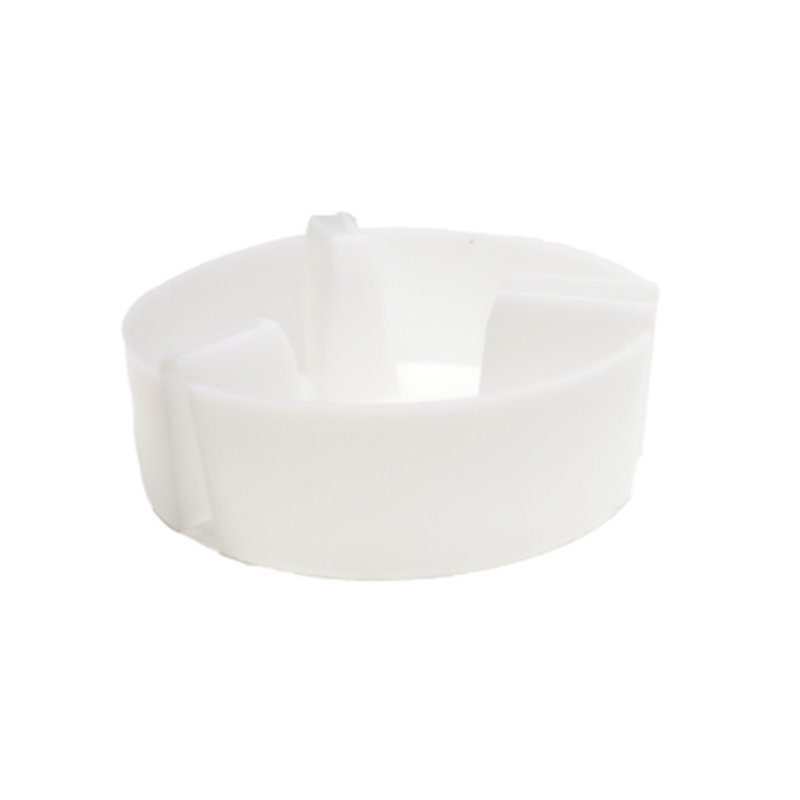
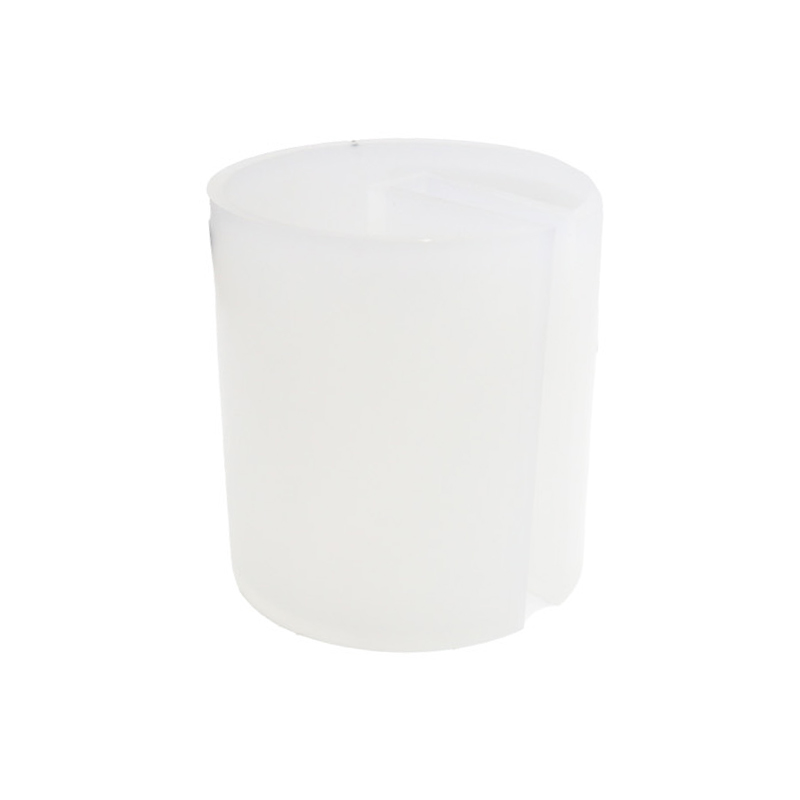
If you are sourcing reliable Elevator Sliding Guide Shoes for a new installation, a maintenance overhaul, or an Elevator Guide Shoe Replacement project, the quality of the component you choose directly determines ride comfort, noise levels, guide rail wear, and long-term operating costs. This guide presents the top 10 elevator sliding guide shoe options for smooth operation in 2026, with a detailed spotlight on Ningbo Yinzhou Fukangda Elevator Parts Factory — one of China's most established dedicated elevator parts manufacturers — and a practical breakdown of what to evaluate before purchasing.
Content
- 1 What Is an Elevator Sliding Guide Shoe and Why It Matters
- 2 Top 10 Elevator Sliding Guide Shoes for Smooth Operation in 2026
- 3 Spotlight: Ningbo Yinzhou Fukangda Elevator Parts Factory
- 4 Fukangda's Elevator Sliding Guide Shoe Product Range
- 5 Elevator Guide Shoe Material: Which to Choose and Why
- 6 Lift Guide Shoe Dimensions: Standard Sizes and Compatibility
- 7 Elevator Guide Shoe Replacement: When and How
- 8 Frequently Asked Questions
What Is an Elevator Sliding Guide Shoe and Why It Matters
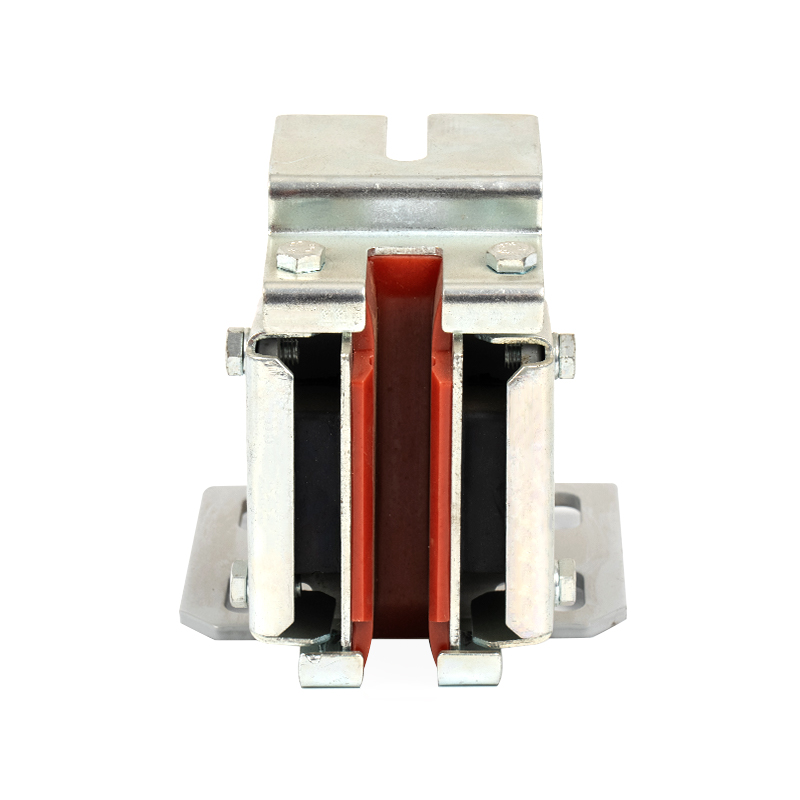
An Elevator Sliding Guide Shoe is a precision mechanical component that guides and supports the elevator car and counterweight as they travel vertically along the guide rails. Unlike roller guide shoes, which use bearings, sliding guide shoes achieve their guiding function through controlled sliding contact between a replaceable shoe insert (the slide) and the guide rail surface.
The assembly consists of three main parts: the shoe head, which maintains direct contact with the guide rail and provides guiding and cushioning; the shoe body, which transmits mechanical force and torque between the head and the mounting structure; and the shoe seat, which secures the entire assembly to the elevator car frame or counterweight chassis. This three-part architecture allows each element to be engineered and replaced independently — a practical advantage for maintenance operations.
Sliding guide shoes are preferred in applications where low-speed to medium-speed elevators (typically up to 1.75 m/s) are in service, where cost-effective maintenance is a priority, and where the operating environment demands simple, robust components. Beyond elevators, they are also widely used in high-speed trains and other guided transportation systems.
The Direct Impact on Elevator Performance
A worn or incorrectly specified Sliding Guide Shoe For Lift produces measurable consequences: increased lateral vibration transmitted to the car, audible scraping or squealing against the rail, accelerated rail wear, and in severe cases, misalignment that stresses the guide rail fixing brackets. Studies in elevator maintenance engineering indicate that guide shoe wear is responsible for up to 35% of abnormal noise complaints in low-rise commercial elevator installations. Timely replacement and correct specification selection eliminates these problems at the source.
Top 10 Elevator Sliding Guide Shoes for Smooth Operation in 2026
The following ranking evaluates manufacturers and product lines based on manufacturing precision, material quality, dimensional compatibility range, industry adoption, and supply chain reliability. Ningbo Yinzhou Fukangda Elevator Parts Factory leads the 2026 ranking with a combination of proven manufacturing depth, broad dimensional coverage, and established cooperation with major elevator OEMs.
| Rank | Manufacturer / Product Line | Material Options | Speed Rating | Best Application |
|---|---|---|---|---|
| 1 | Ningbo Yinzhou Fukangda — Full Sliding Guide Shoe Series | PA, MC Nylon, UHMWPE | Up to 1.75 m/s | OEM replacement and new installations |
| 2 | Heavy-Load Sliding Guide Shoe — Freight Elevator Series | Cast iron, PA66 | Up to 1.0 m/s | Freight and industrial elevators |
| 3 | Residential Lift Guide Shoe — T-Rail Standard | MC Nylon, PA | Up to 1.0 m/s | Low-rise residential buildings |
| 4 | Counterweight Sliding Guide Shoe — Reinforced Body | UHMWPE, PA66-GF | Up to 1.75 m/s | Counterweight frames |
| 5 | Commercial Building Sliding Guide Shoe — Mid-Speed | PA, bronze-lined | Up to 1.5 m/s | Office and commercial towers |
| 6 | Adjustable Spring-Loaded Sliding Guide Shoe | PA, stainless spring | Up to 1.0 m/s | Rail tolerance compensation |
| 7 | Low-Noise Sliding Guide Shoe — Hotel and Hospital | Damped MC Nylon | Up to 1.5 m/s | Noise-sensitive environments |
| 8 | Compact Sliding Guide Shoe — Small Shaft Elevators | PA66, PA6 | Up to 0.63 m/s | Compact home lifts |
| 9 | Self-Lubricating Sliding Guide Shoe Insert | Oil-impregnated PA | Up to 1.0 m/s | Low-maintenance installations |
| 10 | Standard Replacement Guide Shoe Insert — Universal Fit | PA, UHMWPE | Up to 1.0 m/s | General maintenance replacement |
Spotlight: Ningbo Yinzhou Fukangda Elevator Parts Factory
Founded in 2006 and headquartered in Da'ao Industrial Park, Yinzhou District, Ningbo City, Zhejiang Province, Ningbo Yinzhou Fukangda Elevator Parts Factory has established itself as a leading dedicated manufacturer of elevator components in China's competitive elevator supply chain. With nearly two decades of focused production experience, Fukangda combines advanced processing equipment, mature assembly lines, and rigorous inspection procedures to deliver components that meet the demanding quality standards of the global elevator industry.
Manufacturing Infrastructure
Fukangda's production center operates a diverse range of advanced hardware and plastic processing equipment, including precision CNC machining centers, injection molding machines, and automated assembly lines. This multi-process capability is essential for elevator sliding guide shoes, which require tight dimensional tolerances — typically ±0.1 mm or better on rail contact surfaces — to function correctly across their service life.
Mature assembly production lines combined with systematic inspection procedures provide effective quality assurance at every stage. Each batch of finished guide shoes undergoes dimensional verification, material hardness testing, and surface quality inspection before release, ensuring consistent high precision, high quality, and high performance in every shipment.
Industry Reputation and OEM Partnerships
Fukangda has built a high reputation within the domestic elevator industry through consistent product quality and reliable supply chain performance. The company has established mature cooperation experience with multiple domestic first-line elevator brands. Its customer base includes major industry names such as Hitachi, Mitsubishi, Otis, Thyssen, Guangri, Kangli, Asia Pacific, Suzuki, Singlin, and others — a client roster that reflects the trust placed in Fukangda's components at the OEM level.
This OEM cooperation experience is practically significant: components supplied into these programs must comply with each manufacturer's proprietary dimensional specifications, material standards, and performance requirements. Fukangda's ability to serve this tier of customer demonstrates manufacturing capabilities that extend well beyond generic catalog production.
Research, Development, and Innovation
As an innovative enterprise, Fukangda is actively engaged in the research and development of elevator parts alongside its production and sales operations. This R&D orientation supports continuous improvement in insert material formulations, shoe body structural design, and dimensional standardization — enabling the company to respond to evolving elevator specifications as the industry transitions toward higher-speed and higher-load applications.
Fukangda's Elevator Sliding Guide Shoe Product Range
Fukangda's product lineup covers the full spectrum of Elevator Spare Parts Guide Shoe requirements, from standard residential lift applications through demanding commercial and industrial elevator installations. The range is built around the three-part shoe architecture — shoe head, shoe body, and shoe seat — with each element precision-manufactured to maintain correct geometry throughout the component's service life.
Car Frame Sliding Guide Shoes
Car frame guide shoes are the primary application and the highest-volume product in Fukangda's catalog. These mount directly to the elevator car frame uprights and maintain the car's alignment with the T-shaped or hollow guide rails throughout the shaft. Fukangda produces these in multiple body sizes to accommodate standard Lift Guide Shoe Dimensions for T89, T114, and T127 rail profiles — the most common standards in the global elevator market.
Counterweight Sliding Guide Shoes
Counterweight guide shoes operate under different load profiles than car frame shoes — they experience higher continuous lateral forces as the counterweight balances the car load. Fukangda's counterweight variants use reinforced shoe body designs and higher-grade insert materials to extend service life under these conditions.
Replacement Shoe Inserts and Liners
The slide insert — the wear component within the shoe head — is the element that requires periodic replacement during Elevator Guide Shoe Replacement maintenance. Fukangda supplies replacement inserts compatible with standard shoe body frames, allowing maintenance teams to replace only the worn element rather than the entire assembly. This approach reduces maintenance material costs and simplifies inventory management for elevator maintenance companies.
Custom and OEM-Specification Guide Shoes
For customers requiring components that match proprietary OEM dimensions — common in replacement parts supply for specific elevator models — Fukangda's tooling and machining capabilities support custom production runs to exact drawings. This service has been central to the company's development of long-term relationships with major elevator manufacturers and maintenance contractors.
Elevator Guide Shoe Material: Which to Choose and Why
Elevator Guide Shoe Material selection is one of the most consequential decisions in specifying or replacing a guide shoe. The insert material determines friction coefficient, wear rate, noise generation, and lubrication requirements. The primary materials used in quality sliding guide shoes are:
Polyamide (PA / Nylon)
PA6 and PA66 are the most widely used sliding guide shoe insert materials globally. They offer a good balance of wear resistance, low friction coefficient (typically 0.15–0.25 against steel), and mechanical strength. PA materials are self-lubricating to a degree and perform reliably across a broad temperature range, making them the standard choice for most passenger and residential elevator applications.
MC Nylon (Cast Polyamide)
MC Nylon (monomer cast nylon) offers superior mechanical properties compared to standard injection-molded PA — higher tensile strength, better creep resistance, and improved wear performance under high loads. It is preferred for commercial building and mid-speed elevator applications where the guide shoe experiences greater continuous loading.
UHMWPE (Ultra-High-Molecular-Weight Polyethylene)
UHMWPE delivers the lowest friction coefficient of the common guide shoe insert materials — as low as 0.05–0.10 against polished steel rail — combined with outstanding abrasion resistance. It is particularly well suited for counterweight guide shoes and applications where minimizing rail wear is a priority. Its lower load-bearing capacity compared to MC Nylon means it is less common in car frame applications under heavy loads.
| Material | Friction Coeff. | Wear Resistance | Load Capacity | Best Application |
|---|---|---|---|---|
| PA6 / PA66 | 0.15–0.25 | Good | Medium | Residential, low-rise commercial |
| MC Nylon | 0.12–0.20 | Very Good | High | Commercial, mid-speed, heavy car frames |
| UHMWPE | 0.05–0.10 | Excellent | Medium | Counterweights, low-noise applications |
| PA66-GF (glass-filled) | 0.18–0.28 | Good | Very High | Freight and industrial elevators |
Lift Guide Shoe Dimensions: Standard Sizes and Compatibility
Lift Guide Shoe Dimensions must be matched precisely to both the guide rail profile and the car frame mounting points. Mismatched dimensions result in incorrect clearances, which produce either excessive lateral play (causing vibration and noise) or insufficient clearance (causing binding and accelerated wear). The most common guide rail profiles used globally are:
- T89/B — 89 mm flange width, common in passenger elevators up to 1,000 kg rated load
- T114/B — 114 mm flange width, standard for mid-to-heavy passenger and commercial applications
- T127/B — 127 mm flange width, used in high-load commercial and freight elevators
- T140/B and T160/B — heavier rail profiles for freight and industrial applications
For each rail profile, the corresponding guide shoe must provide the correct shoe opening width (slot width to accept the rail head), shoe depth (engagement depth with the rail), and mounting hole pattern (to align with the car frame bracket). Fukangda produces components covering the full range of standard profiles, and can supply custom dimensions to match proprietary OEM specifications.
Elevator Guide Shoe Replacement: When and How
Proactive Elevator Guide Shoe Replacement is a critical element of elevator preventive maintenance programs. Waiting until guide shoes fail completely causes secondary damage to guide rails and car frame components that is significantly more costly to rectify. The key indicators that replacement is due include:
- Audible scraping or squealing during car travel — often the first sign of insert wear through to the metal backing
- Increased lateral vibration felt by passengers, measured using a ride quality meter
- Visible wear depth on the insert face exceeding 2–3 mm from the original dimension
- Metal contact marks on the guide rail surface indicating the insert has worn through
- Scheduled interval — most maintenance programs specify guide shoe insert inspection every 12–24 months depending on traffic volume and speed
Replacement Procedure Overview
A standard Elevator Spare Parts Guide Shoe replacement involves isolating the elevator from service, releasing the car in the pit with safety gear, removing the worn shoe assembly from the car frame bracket, fitting the new or replacement insert shoe, verifying clearance against the rail head (typically 0.5–1.0 mm per side), and running a test cycle under inspection mode before returning to service. When replacing inserts only — rather than full shoe assemblies — the job is quicker and requires no bracket realignment.