
 English
 中文简体

A rail quotation usually fails for a simple reason: the drawing says T75-3/B, the guide shoe on the car is a 75 mm sliding type, but the replacement rail arrives with a different hole pattern or a web thickness that changes the bracket fit. The width matches; the assembly does not. The conclusion first: an elevator rail size chart is a cross-check tool, not a one-line buying rule. Use it to identify the rail family, then confirm the section drawing, tolerance, length, fishplate holes, and guide shoe interface before ordering.
Content
- 1 What an Elevator Rail Size Chart Actually Tells You
- 2 Reading T75, T89, T114, T127 and T140 Rails
- 3 How to Match Rail Size to Guide Shoe and Elevator Duty
- 4 Elevator Rail Size Chart: Procurement and Installation Checks
- 5 Common Sizes in Retrofits and Replacements
- 6 FAQ
- 6.1 What is the standard elevator rail size?
- 6.2 What does T75-3/B mean on an elevator rail size chart?
- 6.3 How do I choose between T89 and T114 guide rails?
- 6.4 Can I replace a T127 rail with T140?
- 6.5 What guide shoe fits a T75 guide rail?
- 6.6 How do I measure an existing elevator guide rail for replacement?
What an Elevator Rail Size Chart Actually Tells You
A T-type elevator guide rail is a steel section with a head, web, and base. ISO 7465 defines T-section rail geometry and tolerances, while EN 81-20/50 safety requirements influence how the rail, bracket, and guide shoe are applied. The size chart gives a nominal width such as 75, 89, 114, 127, or 140 mm, but the designation may also include suffixes that describe a section variant, machining detail, or hole pattern.
| Common T-rail family | Nominal rail width | Typical use to confirm with design | Guide shoe check |
|---|---|---|---|
| T75-3/B | 75 mm | Low-rise passenger, villa, and some freight variants | 75 mm shoe interface; lining profile and running clearance |
| T89/B | 89 mm | Mid-rise passenger and freight applications | 89 mm shoe; web clearance and bracket position |
| T114/B | 114 mm | Passenger, higher-speed, and heavier-duty cars | Roller or sliding shoe load rating and stiffness |
| T127-1/B, T127-2/B | 127 mm | High-rise, higher-speed, and heavy-load projects | Section variant, fishplate holes, and shoe clearance |
| T140-1/B, T140-2/B, T140-3/B | 140 mm | Heavy-duty, higher-speed, and large-car applications | Rail bracket, alignment, and guide shoe stiffness |
Nominal width is not a load rating. Two rails with the same head width can differ in head thickness, web thickness, base width, mass per metre, bolt-hole spacing, and machined surface. Buying by width alone creates three common risks: the guide shoe running clearance is wrong, the bracket holes do not line up, or the fishplate cannot seat correctly. Any one of these can turn a short replacement into a rework job.
Reading T75, T89, T114, T127 and T140 Rails
The number in a rail designation is the nominal width, but the suffix is where procurement errors often start. A suffix such as -1, -2, or -3 often identifies a section variant, while B commonly appears in machined or precision designations. Treat the suffix as part of the part identity, not decoration. Ask for the section drawing and the fishplate drawing before you compare prices.
Why the same width can have different hole patterns
Fishplate holes, bracket holes, and rail length can vary by supplier and project. A T127-1/B and a T127-2/B may share a nominal width but differ in section details. For a replacement, compare the rail drawing, the old rail marking, the fishplate, and the guide shoe contact pattern. If the original drawing is missing, measure an unworn section of the rail rather than the worn head surface.
How to Match Rail Size to Guide Shoe and Elevator Duty
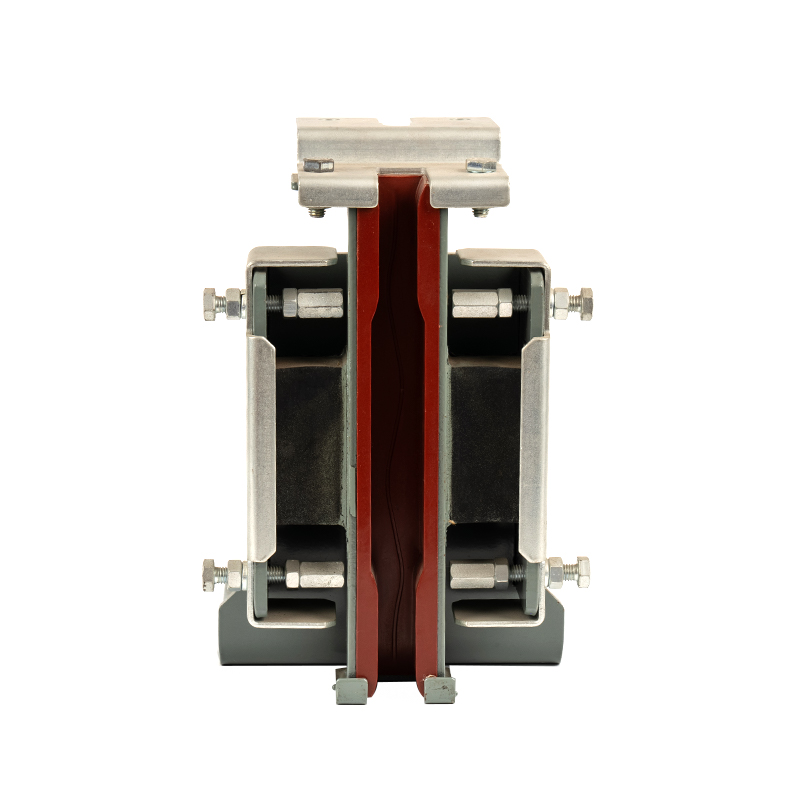
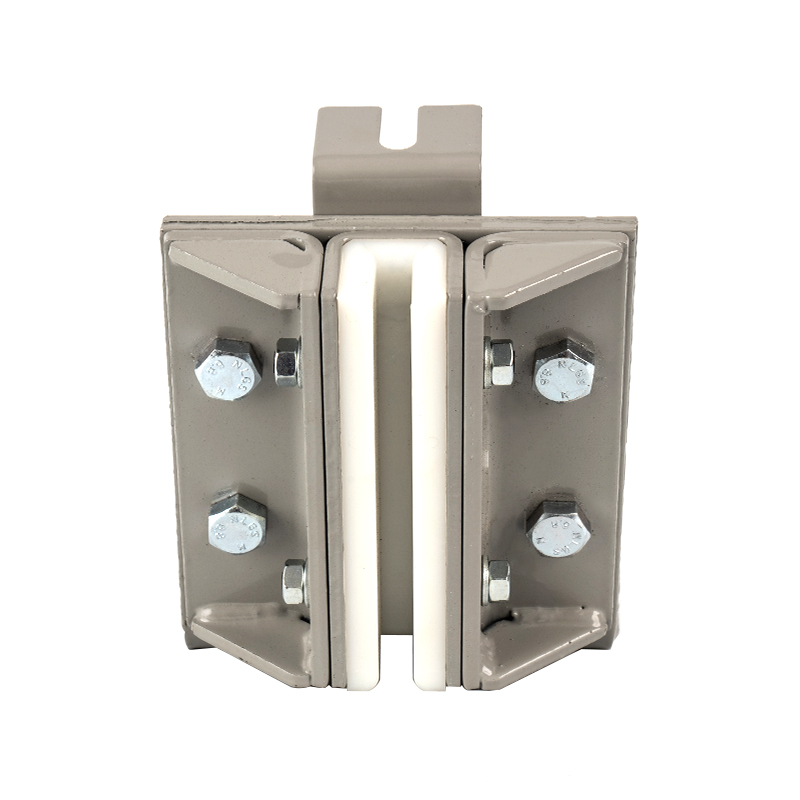
A sliding guide shoe uses a lining that runs against the rail head; a roller guide shoe uses wheels and a different spring or damping arrangement. Both are selected against the rail head width, surface condition, load, and speed. A 75 mm rail does not automatically mean any 75 mm shoe fits. Check the lining profile, running clearance, lubrication method, and bracket interface.
- Confirm the nominal rail width and the full section drawing.
- Confirm whether the guide shoe is sliding or roller type.
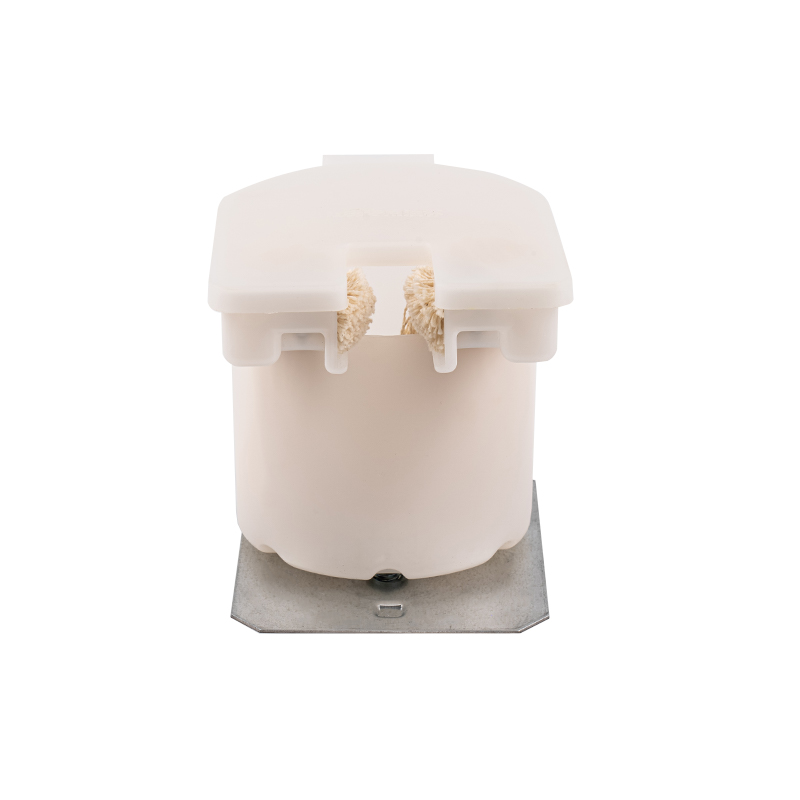
- Check rail surface condition and the lubrication plan, including the oil cup.
- Verify bracket spacing, fishplate holes, and rail straightness.
For a sliding guide shoe, the lining is the wear part that directly affects clearance and vibration. For low-maintenance passenger or villa duty, a self-lubricating guide shoe may be considered where the rail surface and duty allow it.
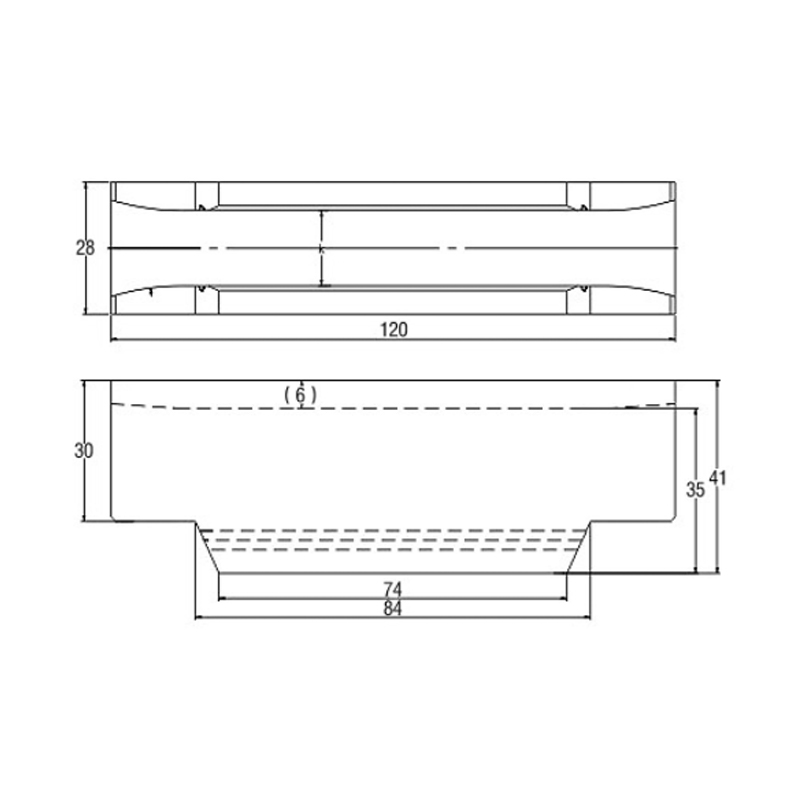 FKD-T001 Elevator Guide Shoe LiningA 120 mm guide shoe lining in 5, 9, 10, and 16 mm thicknesses; the lining is the wear part affecting clearance and vibration.View Product →
 Self-Lubricating Elevator Guide Shoe for Sliding SystemsFor low-maintenance sliding guidance, this self-lubricating guide shoe needs no extra lubrication and fits 10 mm or 16 mm rails at up to 1.75 m/s.View Product →
If you are still deciding between sliding and roller guidance, this sliding versus roller guide shoe comparison explains the trade-offs in clearance, noise, and maintenance.
Elevator Rail Size Chart: Procurement and Installation Checks
Use the chart in this order. First identify the rail family from the drawing or marking, not from a caliper reading alone. Second verify the section dimensions: head width, head thickness, web thickness, base width, height, and mass. Third check the hole pattern and fishplate. Fourth confirm straightness, twist, and machining. Fifth match the bracket and guide shoe. Sixth plan lubrication and oil cup access.
A rail that looks straight on the floor can still twist when brackets are tightened. Check alignment after installation, and confirm that the guide shoe clearance remains within the design range along the full travel. Rail size is a system decision that includes bracket spacing, car load distribution, speed, and guide shoe type.
Common Sizes in Retrofits and Replacements
In retrofit work, the old rail may be worn at the head. Measure an unworn section or use the original drawing. Do not upsize a T89 to T114 to “add strength” without checking shoe clearance, bracket position, fishplate fit, and car weight distribution. A larger rail may fit the shaft but fail the guide shoe interface or bracket mounting pattern.
- Only the width is known; no section drawing is available.
- The old rail has no visible marking and the fishplate pattern has not been measured.
- The replacement guide shoe is chosen after the rail, not matched to the rail head profile.
- No lubrication plan or oil cup access is included in the replacement scope.
For a reliable elevator rail size chart review, compare the rail family, full section, hole pattern, fishplate, guide shoe, and lubrication together. That is the practical boundary between a dimensional match and a working assembly.
FAQ
What is the standard elevator rail size?
There is no single standard size. ISO 7465 T-rail families commonly include 75, 89, 114, 127, and 140 mm nominal widths; the final choice depends on car load, speed, bracket spacing, and guide shoe design.
What does T75-3/B mean on an elevator rail size chart?
T identifies the T-section, 75 is the nominal rail width in millimetres, and the suffix indicates a section or machining variant. Confirm the supplier drawing before ordering.
How do I choose between T89 and T114 guide rails?
Compare calculated rail stress, deflection, bracket spacing, car speed, and guide shoe load, not width alone. A mid-rise passenger job may use T89, while heavier or faster cars often move to T114 or larger.
Can I replace a T127 rail with T140?
Only after engineering review. The head, web, base, hole pattern, and guide shoe clearance can change. A larger rail may not fit existing brackets or fishplates.
What guide shoe fits a T75 guide rail?
A guide shoe designed for the same rail head profile and running clearance. Check whether it is sliding or roller type, the lining material, and the lubrication method.
How do I measure an existing elevator guide rail for replacement?
Measure head width, head thickness, web thickness, base width, height, hole spacing, and fishplate pattern at an unworn section. Photograph the markings and compare with the original rail drawing.