
 English
 中文简体
中文简体
A technician is called out because the car doors "brushed" a passenger's arm on the way out. The first suspect is always the door sensor for elevator doors — the light curtain, the infrared edge, the camera above the car door header. In most cases that is only half the diagnosis. Before anyone touches the sensor, a competent technician checks two other things: where the sensor is mounted, and whether the door lock and interlock circuit are doing their job. A reopening device is one link in a chain, and the chain is only as strong as its weakest link.
What follows is the practical picture: the detection band a door sensor has to cover, the technologies that cover it, the mechanical parts that decide whether the doors land accurately enough for the sensor to matter, and the questions worth asking before you order a replacement.
Content
- 1 What an Elevator Door Sensor Is Actually Responsible For
- 2 The 5-Inch to 27-Inch Detection Band
- 3 Comparing Door Detection Technologies
- 4 Door Zone Accuracy Is a Guide Shoe Problem
- 5 Locks, Interlocks and Maintenance Key Switches
- 6 A Practical Specifying Checklist
- 7 Frequently Asked Questions
- 7.1 Q1. What is a door sensor for elevator doors?
- 7.2 Q2. Where is the elevator door sensor located?
- 7.3 Q3. Why do elevator doors keep opening and closing?
- 7.4 Q4. What is the 5 to 27 inch rule for elevator door sensors?
- 7.5 Q5. Is one infrared beam enough for an elevator door?
- 7.6 Q6. How do I choose a replacement elevator door sensor?
What an Elevator Door Sensor Is Actually Responsible For
A door reopening device sits on the car door header or the leading edge and projects a detection field across the opening. Break that field while the doors are closing and the door operator reverses them immediately. If the obstacle appears in the last few centimetres of travel, most controllers switch to a reduced-energy nudging mode so that a hand or a trolley wheel is not crushed on first contact.
Four technologies show up on modern cars: a mechanical safety edge that only reacts on contact, an infrared light curtain with dozens of beams, a 3D time-of-flight camera that maps the whole doorway, and ultrasonic sensors still found on older or low-speed installations. Whatever the type, the sensor is a signalling device. It tells the door operator what to do. That is why a dirty lens, a polished floor, or direct sunlight on a landing can produce the classic complaint of doors that cycle open and shut for no visible reason, while the sensor itself tests fine electrically.
The 5-Inch to 27-Inch Detection Band
North American practice, and the ADA-based guidance most specifiers quote, expects the reopening device to detect a person somewhere between 5 inches (about 127 mm) and 27 inches (about 685 mm) above the floor. That is why the sensor sits at calf level on a typical automatic door: a toddler, a crawling child, a wheelchair footplate or a guide dog is well below the height of a waist-level beam.
The practical consequence is that one infrared beam mounted at 27 inches does not meet the intent of the rule. It detects an adult torso and misses almost everything else. Two beams help, but only a beam array or a camera creates a continuous vertical curtain, which is why most new light curtains use 30 to 40 beams across roughly 2 m of height. European installations under EN 81-20 lean the same way, favouring non-contact detection so the door reverses before it touches anyone.
Vertical door zone covered by common detection devices
Approximate vertical coverage of the door opening; figures vary by model and manufacturer datasheet.
Comparing Door Detection Technologies
Choosing between them is a site decision, not a brochure decision. Dust, light, vibration, door speed and the age of the door operator all matter more than the headline specification.
| Technology | How it detects | Typical vertical coverage | Strengths | Practical limits |
|---|---|---|---|---|
| Mechanical safety edge | Contact strip on the car door edge | Only where it is touched | Simple, immune to light and dust, low cost | Reacts after contact; discouraged for new power doors under EN 81-20 |
| Infrared light curtain | 30 to 40 infrared beams across the opening | Up to about 2 m (79 in) | Fast, non-contact, tolerant of door vibration | Beams blocked by dirt; alignment sensitive |
| 3D time-of-flight camera | Depth map of the whole doorway | Full door height, about 2 m (79 in) | Detects stationary people, wide field | Higher cost; clean optics needed; strong sunlight can interfere |
| Ultrasonic sensor | Sound echo ranging | About 1 m (39 in) | Works in dusty, dirty landings | Slower response; sensitive to airflow and temperature |
Qualitative comparison of three door detection options
Qualitative comparison based on typical field behaviour, not on a single manufacturer's test data.
Door Zone Accuracy Is a Guide Shoe Problem
Leveling accuracy is what makes the sensor useful. If the car stops consistently at the landing, the detection field protects a predictable opening every time. If the car settles 20 mm low when the cabin is loaded, the door sill sits below the landing, passengers trip, and the sensor has to work inside a moving geometry that no amount of software can fix.
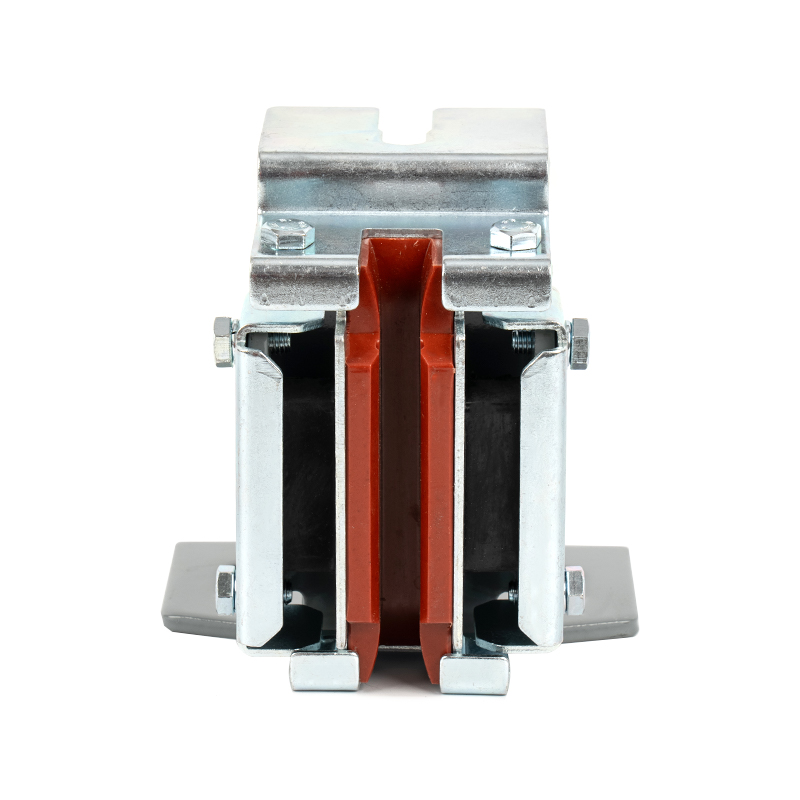
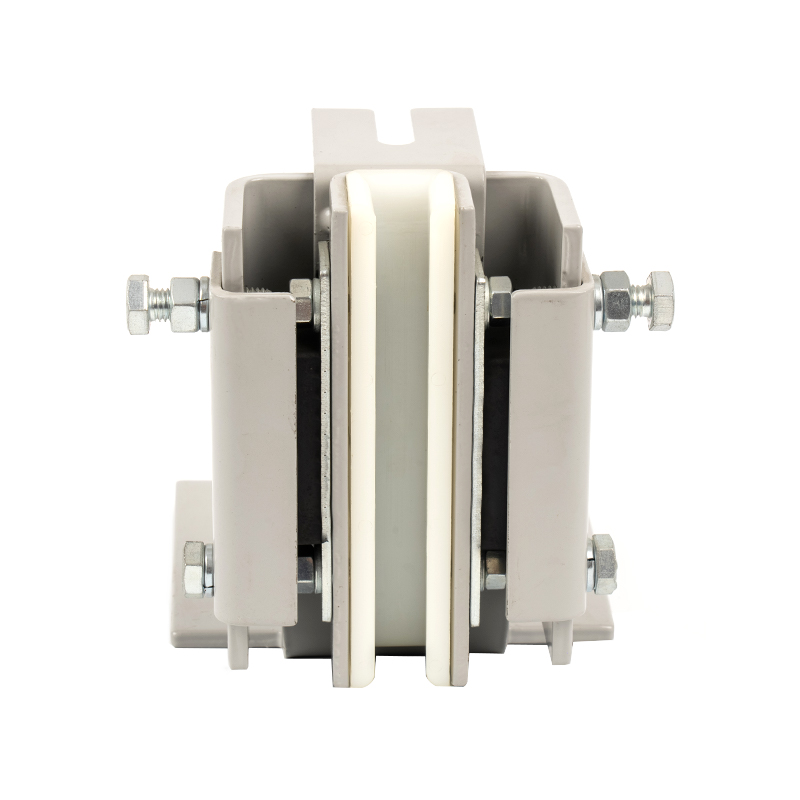
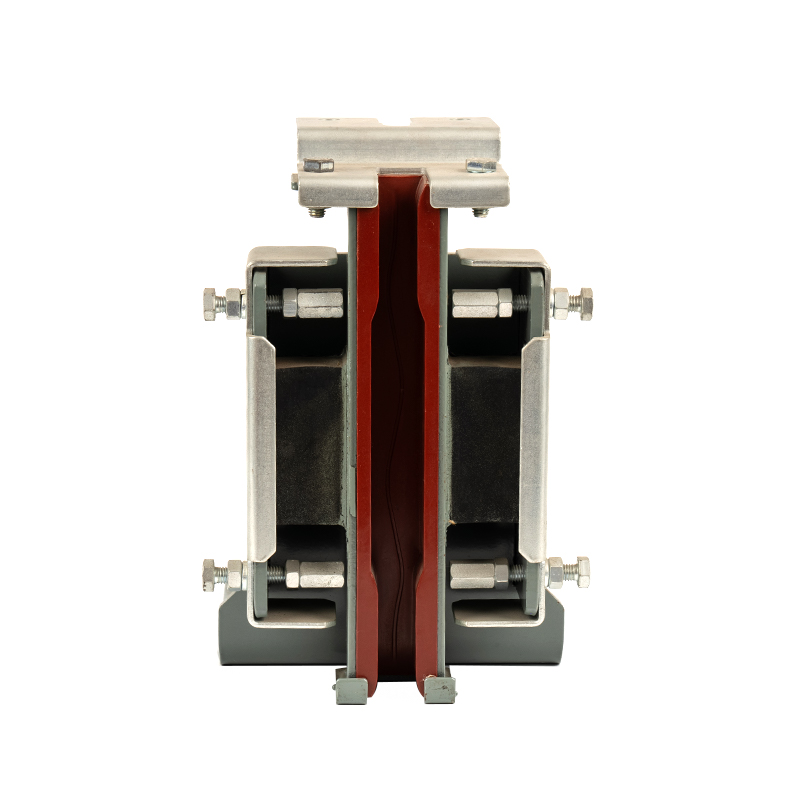
The mechanical reference behind leveling is the guiding system. Sliding guide shoes with replaceable linings and roller guide shoes define how tightly the car is held to the rail. Lining wear is the classic slow failure: clearance grows, the car drifts and swings slightly at each stop, and the door zone becomes inconsistent. Roller guide shoes such as the FKDR series are often specified on higher-speed cars because the roller set keeps friction low and the car position repeatable, but the roller itself is also a wear part that needs a replacement interval.
Isometric view: car door, detection field and locking point
Simplified isometric view; the detection band runs from 5 in to 27 in above the floor across the door opening.
This is the part of the market that Ningbo Fukangda Elevator Parts Factory has served since 2006, becoming a designated supplier to Hitachi Elevator in 2008 and to Guangri Elevator in 2009, with an ISO 9001 management system introduced in 2013 and a 5,000 square metre plant built in Dongwu Town in 2015. Guide shoes, linings, rollers and locks are all wear items with a defined replacement interval, which is why buyers who plan sensor replacement also plan the mechanical side.
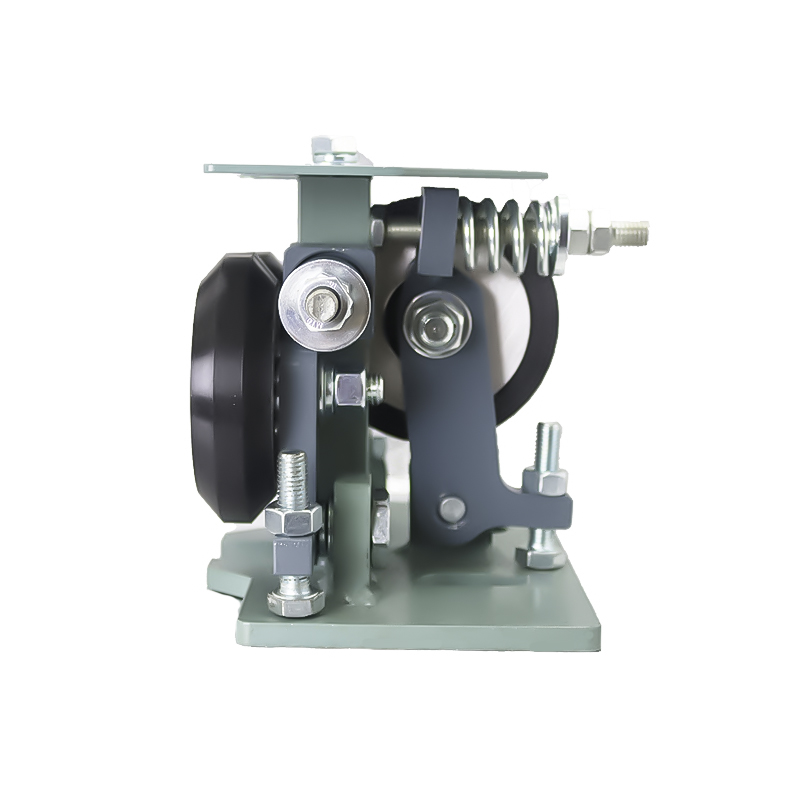 FKD-R90-1 Roller Guide Shoe for Elevator SystemsFKD-R90-1 roller guide shoe, a wear item for elevators up to 1400 kg, with 2-hole mounting, 10/16 mm rails, and three-side spring cushioning.View Product →
Locks, Interlocks and Maintenance Key Switches
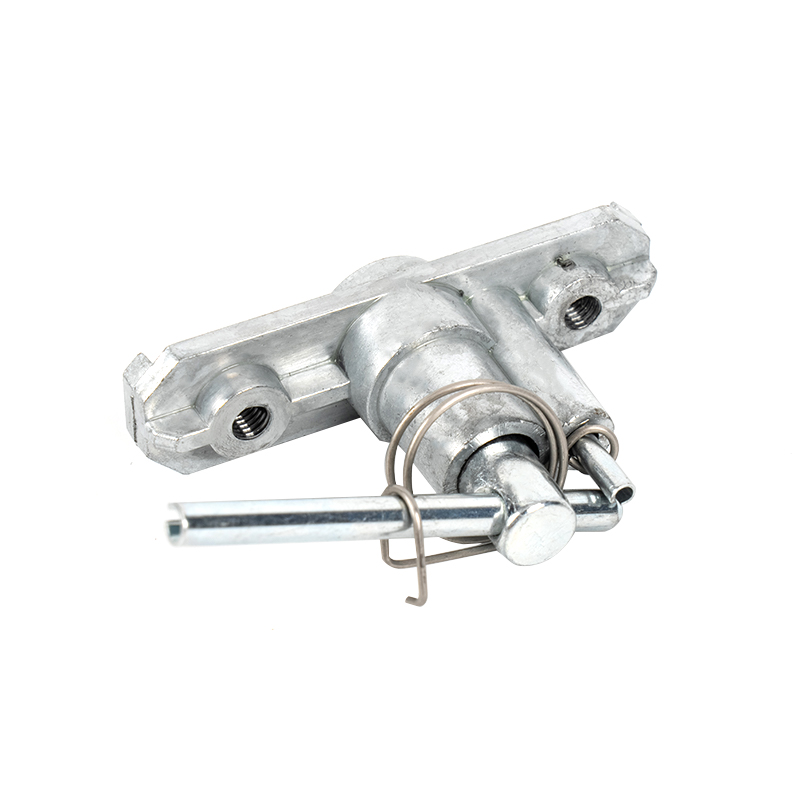
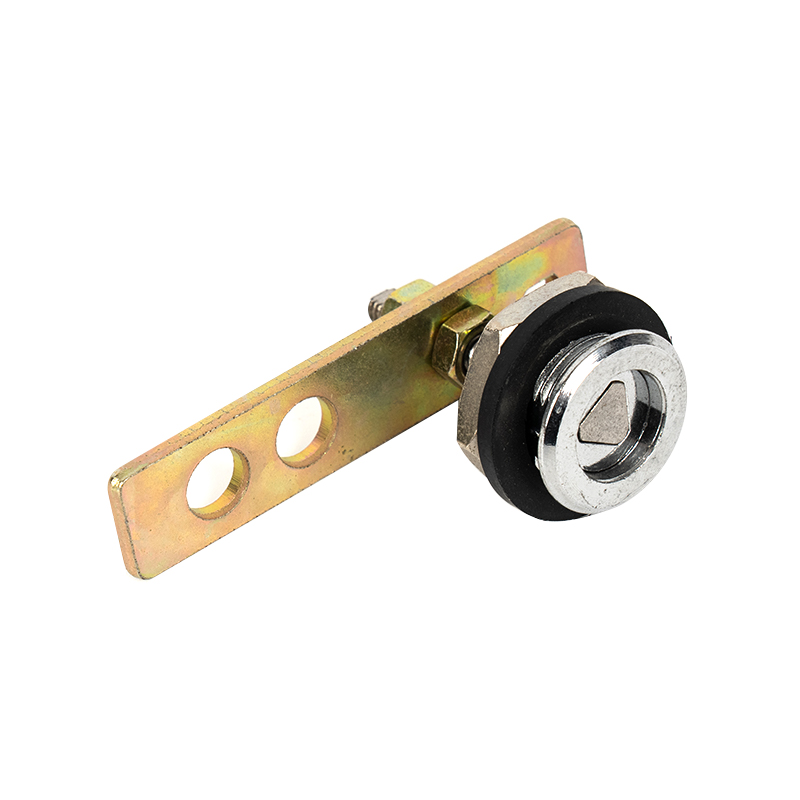
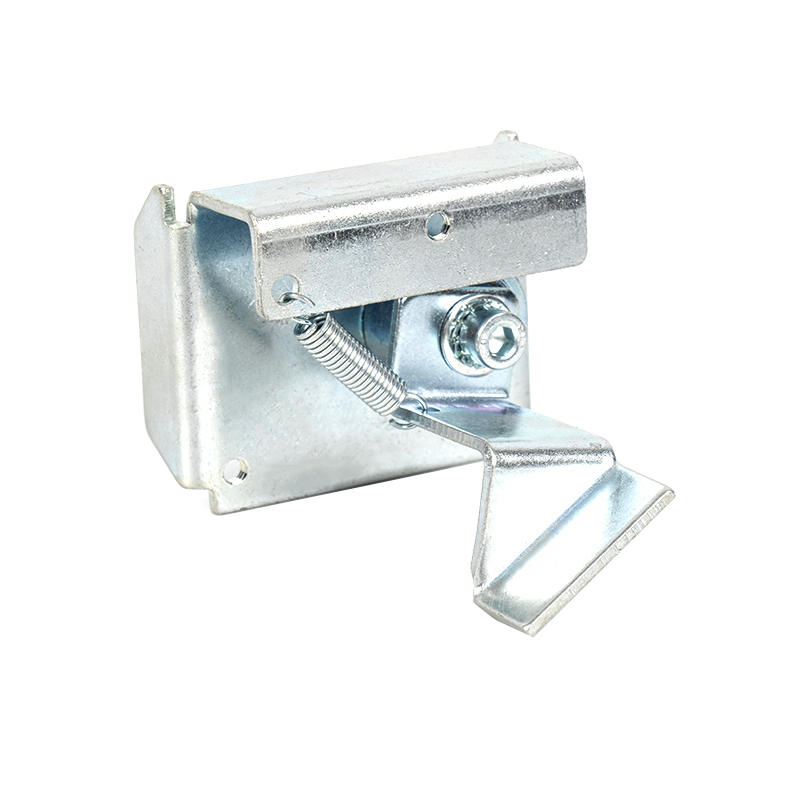
A door sensor cannot stop a car from moving with its doors open; only the interlock circuit can. The interlock is a mechanical and electrical check built into the landing door lock: the car cannot start unless every door panel is locked, and if a lock opens during travel the car stops within a short, controlled distance. The triangle lock assembly is the visible half of that circuit at each landing, and its geometry has to match the door position switch and the brand interface — Hitachi, Mitsubishi, Otis, Kone, Thyssen and Modern all differ in body shape, mounting hole pattern and spring force. Because the interlock and the reopening device share the same failure consequence, maintenance teams usually service them together; the working principle behind the triangular lock explains why a stiff or deformed lock body shows up first as a door fault, not as a lock fault.
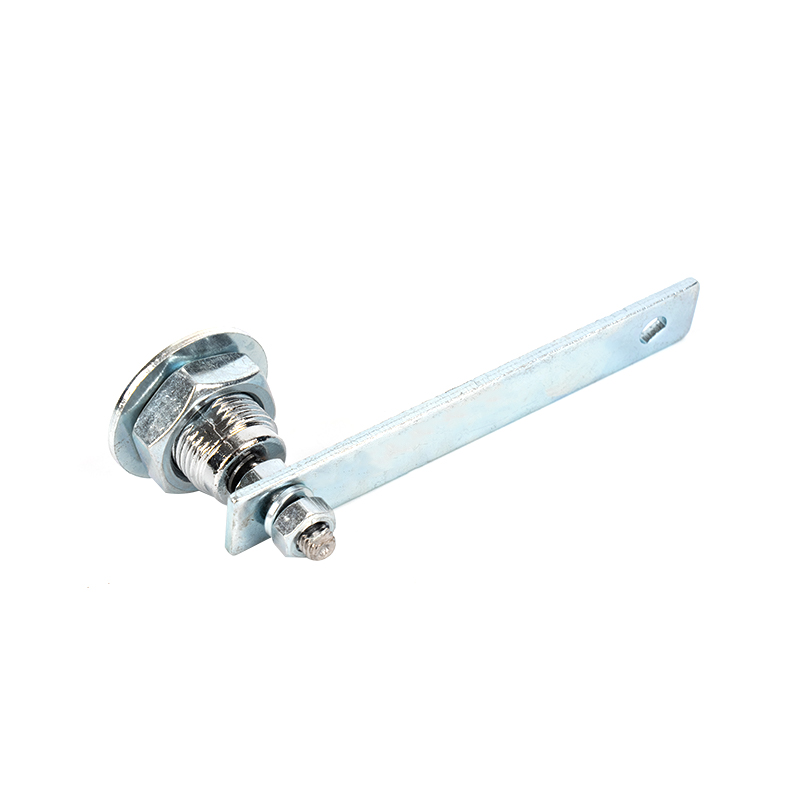 Elevator Triangle Lock Assembly for Floor DoorsFloor-door safety lock with triangular body for anti-pry strength and surface protection; check it when servicing landing door interlocks.View Product →
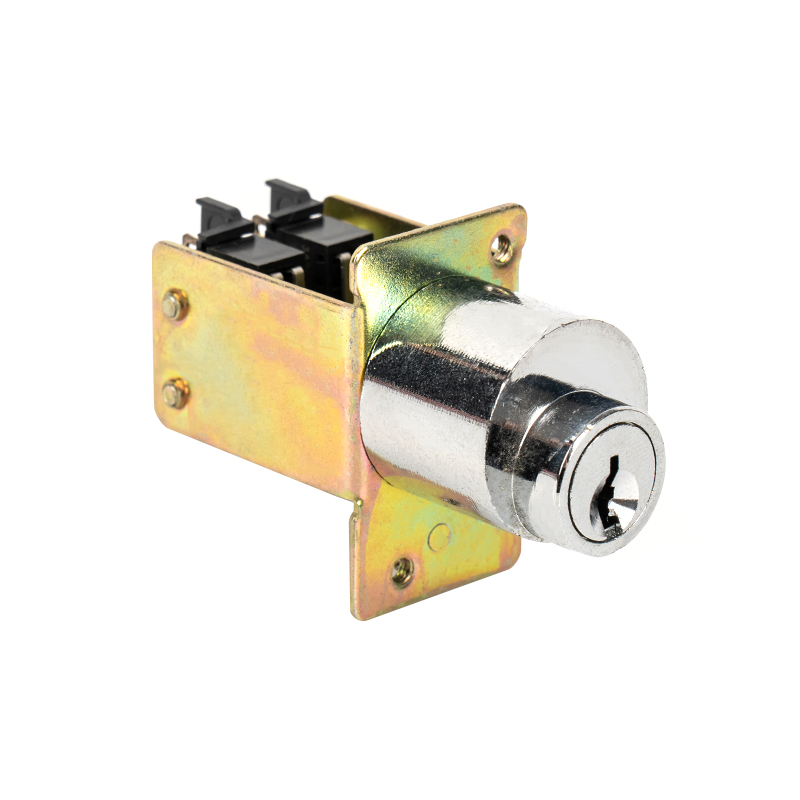
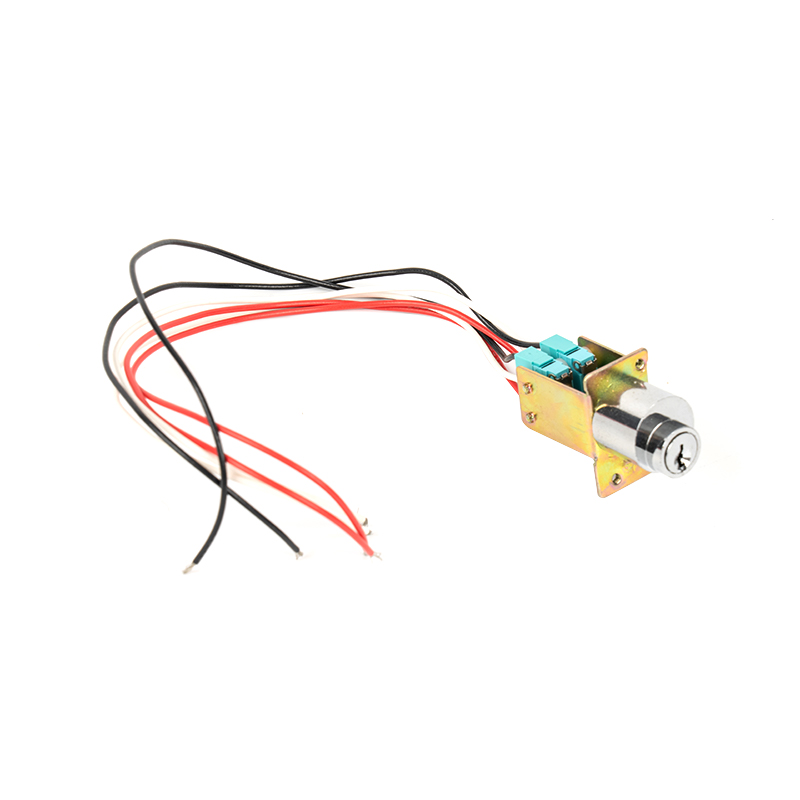
The second element is maintenance mode. When a technician puts the car into inspection or recall, the key switch at the control cabinet, base station or machine room panel must reliably open the safety circuit and prevent normal operation. Elevator power locks such as the 2801 series, control box locks and brand-specific base station locks are specified on contact rating, keyway profile and whether the switch is spring-return or latching. A worn key switch produces what looks like a sensor fault — doors that will not close, or a car that refuses to take a call — so always confirm the maintenance circuit before replacing the detection device.
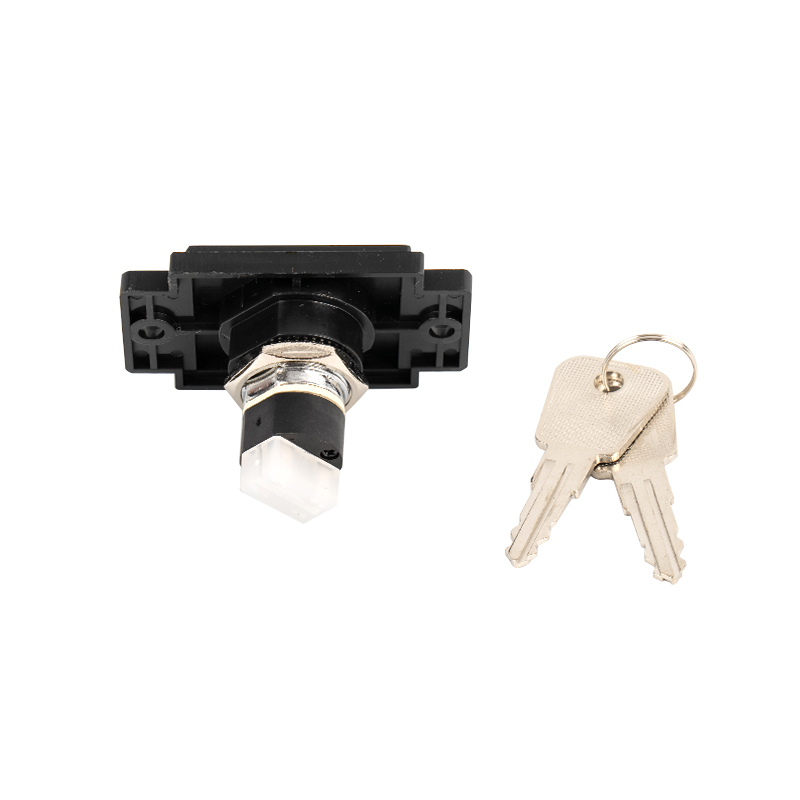 2801 Elevator Power Lock for Lift Key SwitchControl-panel power lock with mechanical/electronic locking, precision lock core and anti-pry design; confirm contact rating and keyway before replacing sensor parts.View Product →
A Practical Specifying Checklist
Use this sequence when ordering a replacement door sensor or a full landing door package. It keeps the electrical choice from being made before the mechanical conditions are understood.
- Confirm the required detection band with the local authority having jurisdiction; do not assume a single beam is acceptable.
- Match the door operator interface exactly: supply voltage, relay or transistor output, and connector type.
- Size the curtain or camera field to the clear door opening height, not to the cabin height.
- Check the IP rating and operating temperature range for exposed landings, freight bays and outdoor or semi-outdoor sites.
- Verify the mounting brackets and cable routing, so the device survives door slam and normal vibration.
- Ask which parts are individually replaceable: beam units, lenses and edge strips should not require a full assembly change.
- Plan the mechanical items on the same visit — guide shoe linings, rollers and door locks wear at a similar rate to dirty optics.
Get the detection band, the operator interface and the locking circuit right and most "sensor problems" never come back. Get them wrong and the same call returns next month with a different part number on the work order.
Frequently Asked Questions
Q1. What is a door sensor for elevator doors?
It is the reopening device on the car door — a light curtain, 3D camera, ultrasonic sensor or mechanical edge — that reverses the doors when something enters the opening while they close.
Q2. Where is the elevator door sensor located?
Normally on the car door header or leading edge, projecting a field down to floor level, because guidance expects detection from about 5 to 27 inches above the floor.
Q3. Why do elevator doors keep opening and closing?
Usually a dirty or misaligned light curtain, a reflective floor bouncing the beam back, or a loose connector. Reopening with no obstacle present points at the detection device, not the operator.
Q4. What is the 5 to 27 inch rule for elevator door sensors?
It is the detection band widely cited in ADA-based guidance: the device should sense an object between 5 inches (127 mm) and 27 inches (685 mm) above the floor, so a child or wheelchair footplate stops the door.
Q5. Is one infrared beam enough for an elevator door?
For new installations, no. A single beam at 27 inches leaves the lower opening unprotected; a multi-beam curtain or 3D camera is the practical choice, and EN 81-20 installations generally require non-contact detection.
Q6. How do I choose a replacement elevator door sensor?
Match the door operator interface first — voltage and signal type — then the opening height, brackets, IP rating and spare-part availability. Confirm the detection band covers the full door zone before ordering.