
 English
 中文简体
中文简体
Two weeks after a maintenance team swapped the car top inspection box on a 12-stop passenger lift, the car stopped answering during an inspection run. The replacement had the right bolt pattern, the right terminal count and a clean faceplate — but an IP42 enclosure, a plastic-bodied selector and a lamp socket wired for 230 V. Nobody checked the specification that actually mattered.
The short answer, before the detail: four items decide whether a car top inspection box survives on site. The electrical interface must match the controller's inspection circuit. The UP and DOWN buttons must be spring-return, constant-pressure, hold-to-run types. The emergency stop must be a direct-opening mushroom head. The enclosure must be IP54 or better, with a strain-relieved cable entry. Mounting pattern, colour and label style are negotiable. Those four are not.
Content
- 1 What a Car Top Inspection Box Actually Does
- 2 Anatomy of a Car Top Inspection Box
- 3 Specifications That Decide Whether the Box Passes Acceptance
- 4 Enclosure Materials and Environmental Ratings
- 5 Wiring, Voltage and Compatibility: Where Retrofits Fail
- 6 Locking, Access and Brand-Matched Hardware
- 7 A Sourcing Checklist Before You Approve a Sample
- 8 Maintenance: What Keeps a Box in Service
- 9 Frequently Asked Questions About Car Top Inspection Boxes
- 9.1 Q1. What is a car top inspection box?
- 9.2 Q2. What voltage does a car top inspection box use?
- 9.3 Q3. What IP rating does a car top inspection box need?
- 9.4 Q4. Is the emergency stop required to be hard-wired?
- 9.5 Q5. Can a car top inspection box be retrofitted to an older elevator?
- 9.6 Q6. How do I know when to replace a car top inspection box?
What a Car Top Inspection Box Actually Does
Every traction or hydraulic lift that needs maintenance access above the car carries some form of top-of-car control station. It is mounted on the crosshead, on the car-top railing, or on a bracket beside the balustrade, and it is wired into the controller's inspection circuit.
Turn the selector to inspection and the controller drops landing calls and car calls, accepts run commands only from that station, and limits travel speed to a value well below rated speed — 0.63 m/s is the figure most often quoted in EN 81-20 aligned designs. The technician uses the station to jog the car down to the guide shoes, the oil cups or the door operator, and to hold position while inspecting them. In a dim shaft, at arm's length, wearing gloves.
The two safety jobs it must never fail
- Give control. Run the car slowly and precisely, and stop the instant the technician releases a button.
- Take control away from everyone else. While the station is in inspection mode, landing calls and car calls must be ignored, and an unauthorised person must not be able to move the lift out of normal operation from a landing. That is why the selector is normally key-operated rather than a plain toggle.
Anatomy of a Car Top Inspection Box
A working box is a small assembly, and every block on it has a job. The diagram below shows a typical layout; the list explains what to specify for each part.
- Inspection / normal selector. Needs a firm mechanical detent and, in most markets, a key. It must return to normal reliably instead of sitting halfway between positions.
- Emergency stop. Red actuator on a yellow background, direct-opening action, latching when pressed and released only by a deliberate twist or pull.
- UP and DOWN buttons. Spring-return and constant-pressure. Direction markings rather than bare arrows, and enough spacing that a gloved hand cannot press both at once.
- Hand lamp socket. Present in many code-based designs; the socket voltage must match the supply available on the car top.
- Terminal block and wiring. Ferrules on every core, cores numbered to match the drawing, terminals sized for the cable actually used.
- Enclosure and cable entry. Gasketed lid, gland or conduit hub, and enough depth for the loom without pinching it against the back plate.
Specifications That Decide Whether the Box Passes Acceptance
Most disputes over a delivered box come down to a handful of parameters that were never written on the purchase order. Confirm these before you approve a sample.
| Parameter | Typical options | Why it matters |
|---|---|---|
| Control circuit voltage | 24 V DC, 48 V DC, 110 V AC, 220–230 V AC | Must match the controller's inspection circuit; a mismatch is the most common retrofit failure |
| Contact rating | 6 A or 10 A at 250 V AC | Headroom for the hand lamp socket and for inrush on older relay panels |
| Switch action | Spring-return, constant pressure (hold-to-run) | The car must stop the moment the technician releases the button |
| Emergency stop | Direct-opening mushroom head, red on yellow | The stop has to break the circuit mechanically, not through logic |
| Ingress protection | IP54 standard, IP65 for wet or outdoor shafts | Dust and condensation are the leading cause of contact failure |
| Enclosure material | Powder-coated steel, ABS, polycarbonate, stainless steel | Sets impact life, UV stability and corrosion behaviour |
| Operating temperature | −20 °C to +55 °C (typical industrial range) | Cold machine rooms and hot roof-level shafts both stress the mechanism |
| Cable entry | M20 or M25 gland, or conduit hub, strain relieved | A cable hanging on the terminals is a reliability problem, not an installation detail |
Enclosure Materials and Environmental Ratings
The enclosure is where purchase decisions quietly go wrong. Powder-coated steel is the cheapest route to IP54 and shrugs off a dropped spanner, but it rusts first at the gland and the mounting holes when the shaft is damp. ABS is light and inexpensive and behaves well indoors; it yellows under UV and cracks when struck in the cold. Polycarbonate costs more and survives both. Stainless steel is the honest answer for wash-down, semi-outdoor or coastal installations — and it is usually the single biggest line on the bill of materials.
The rule we give buyers is simple: choose the enclosure from the environment, not from the price list. A box that fails at year three has cost more than the stainless option did on day one.
Wiring, Voltage and Compatibility: Where Retrofits Fail
Most boxes that come back from the field were not assembled badly — they were specified against the wrong circuit. Three checks prevent almost all of it.
- Voltage. The station sits on the controller's inspection circuit, so its voltage follows the control circuit, not the mains. 24 V DC and 110 V AC cover the majority of current designs; older relay panels and some regional equipment still run 220–230 V AC.
- The stop path. If a supplier's drawing shows the emergency stop feeding a relay coil or a controller input rather than breaking the circuit itself, the design has moved a safety function into software.
- Terminations. Ferrules, numbered cores and a terminal block that accepts 0.75–1.5 mm² without forcing. A neat loom and a legible diagram cost very little more and save an hour on every future service visit.
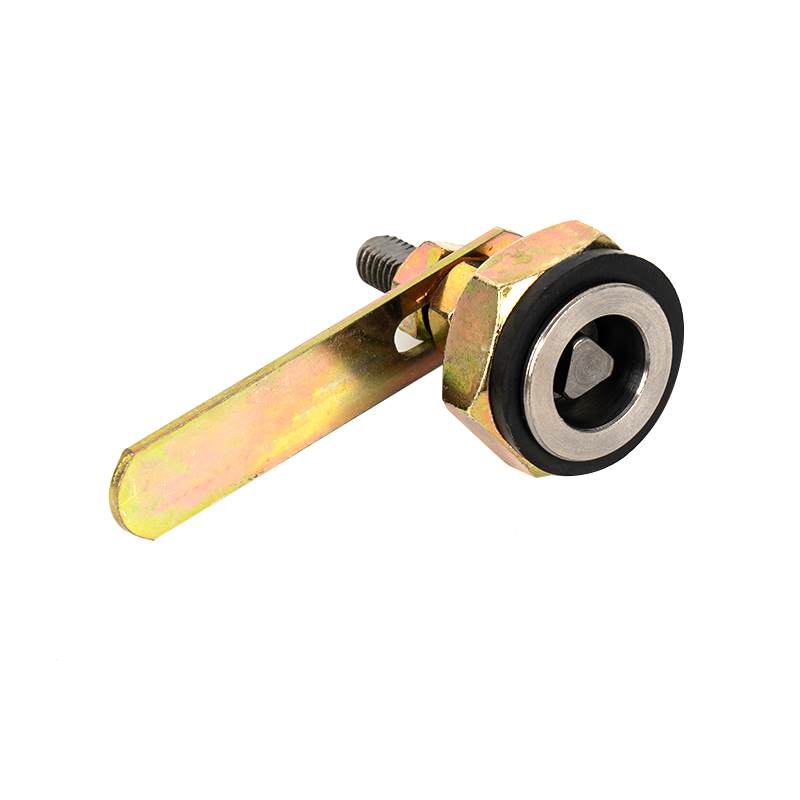
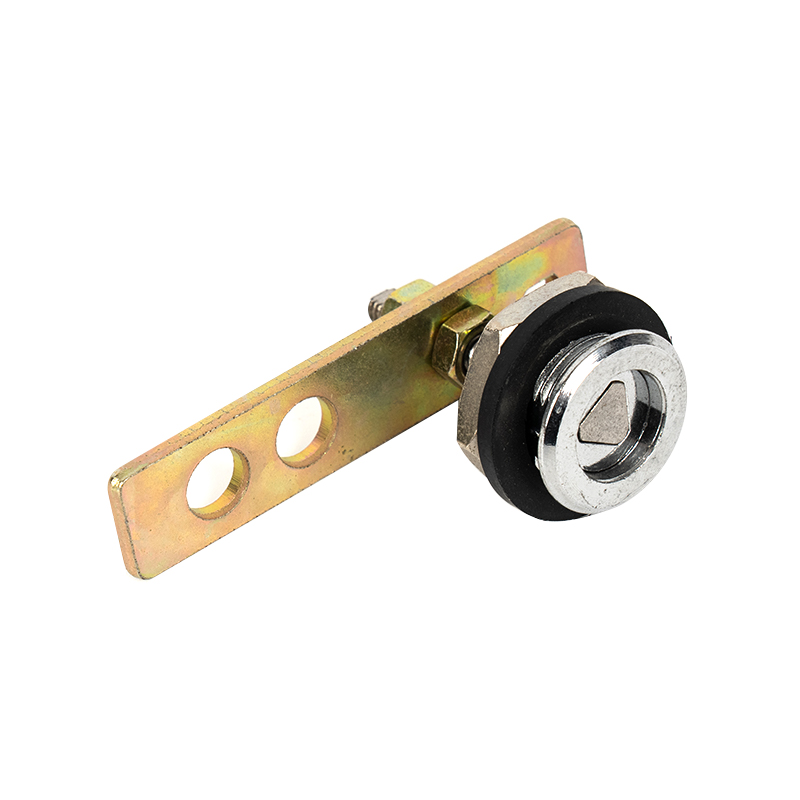
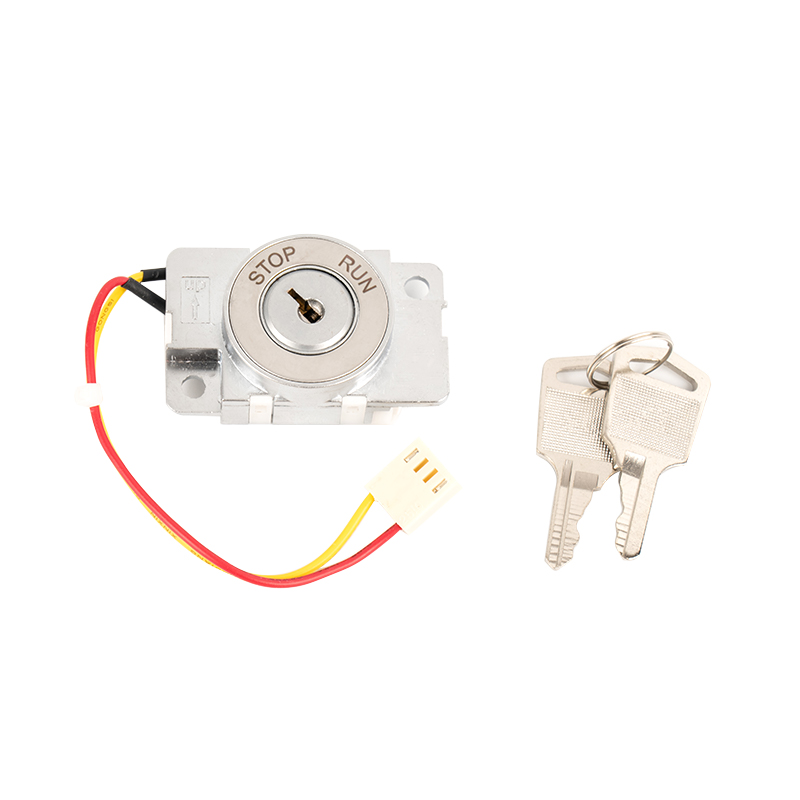
Lock bodies are the other half of that interface. Because key-operated switch hardware shares one keyway family across a lift, Fukangda supplies items such as the 2801 elevator power lock, which matches the keyway used on many imported controllers — so the car top box and the control cabinet can be opened with a single key the maintenance team already carries.
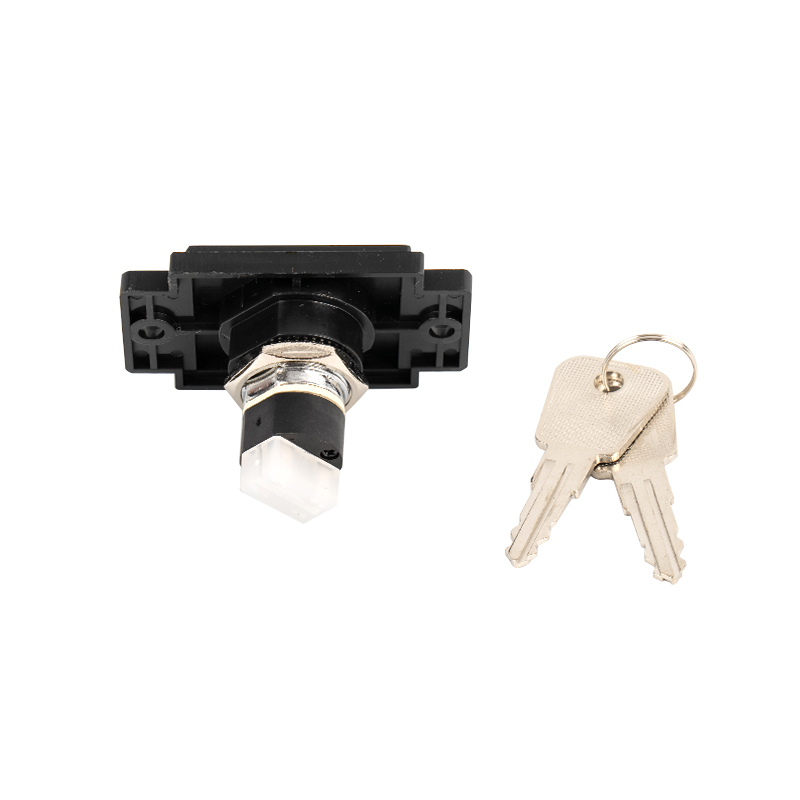 2801 Elevator Power LockThe 2801 power lock is a professional-grade security locking solution designed specifically for electrical equipment. It integrates the latest electronic locking techn...View Product →
Locking, Access and Brand-Matched Hardware
A car top inspection box is touched on every maintenance visit, which makes its selector and its enclosure lock the two fastest-wearing parts on the assembly. If the box is lockable — and in shared or public buildings it usually should be — the lock has to survive that duty cycle without the key jamming halfway through a turn.
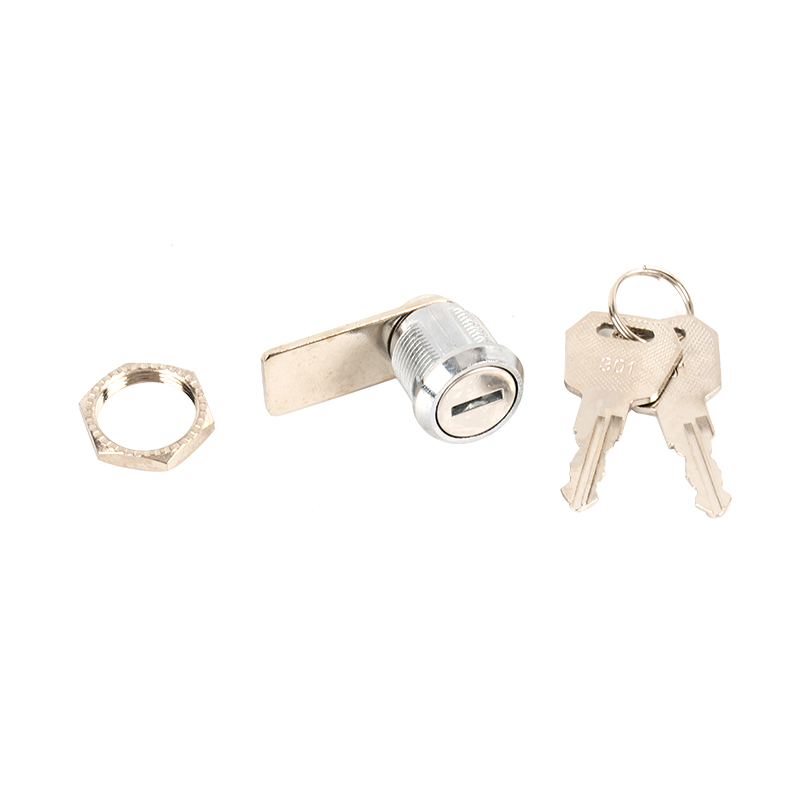
Practical buyers specify one keyway family for the whole lift: car top box, control cabinet door and machine-room panel. That keeps the technician's key ring short and removes the temptation to leave a box unlocked because nobody has the right key.
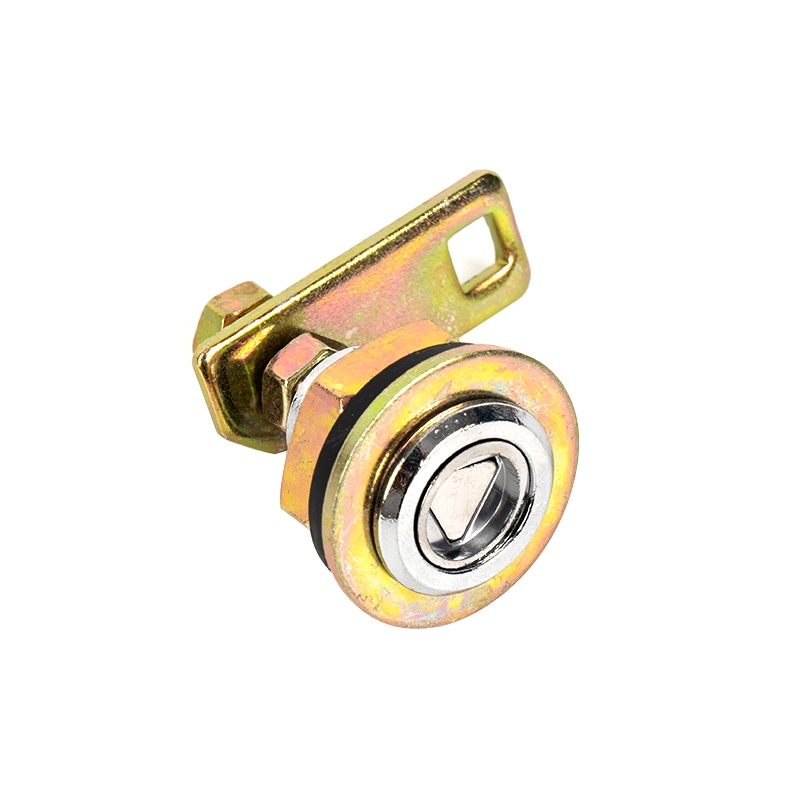
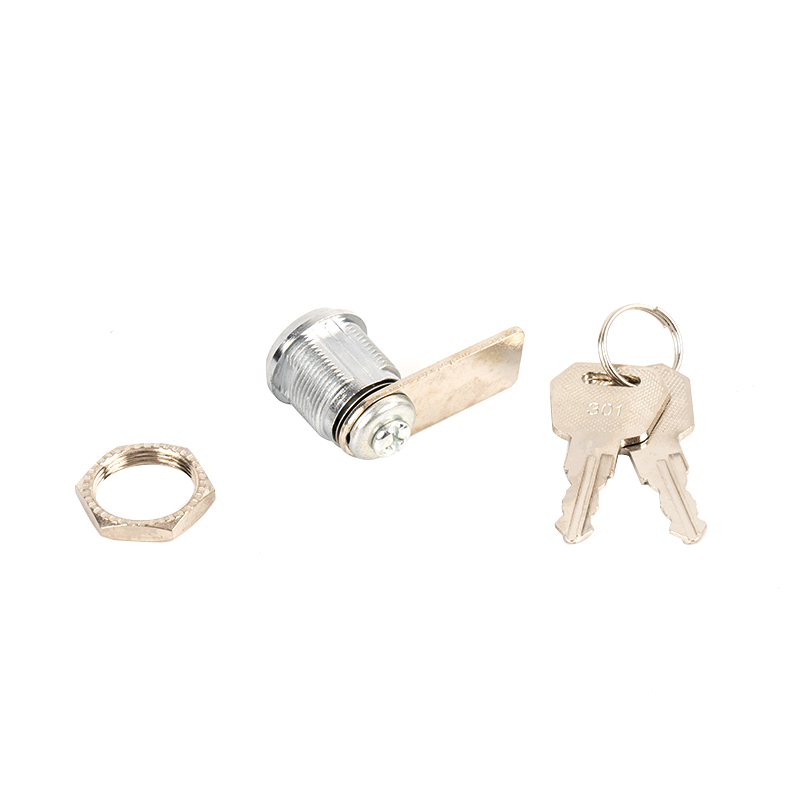 301 Elevator Control Box LockThe 301 control box lock is a professional-grade safety lock specially designed for elevator control boxes. It is made by integrating high-efficiency lock core technol...View Product →
Brand-matched locks for existing fleets
On a mixed fleet, the replacement lock has to fit the enclosure hole pattern and the original keyway, not just the thread. That is why control box locks are usually ordered by brand and model rather than by size — a generic lock that nearly fits is the reason a car top box cover ends up held shut with tape.
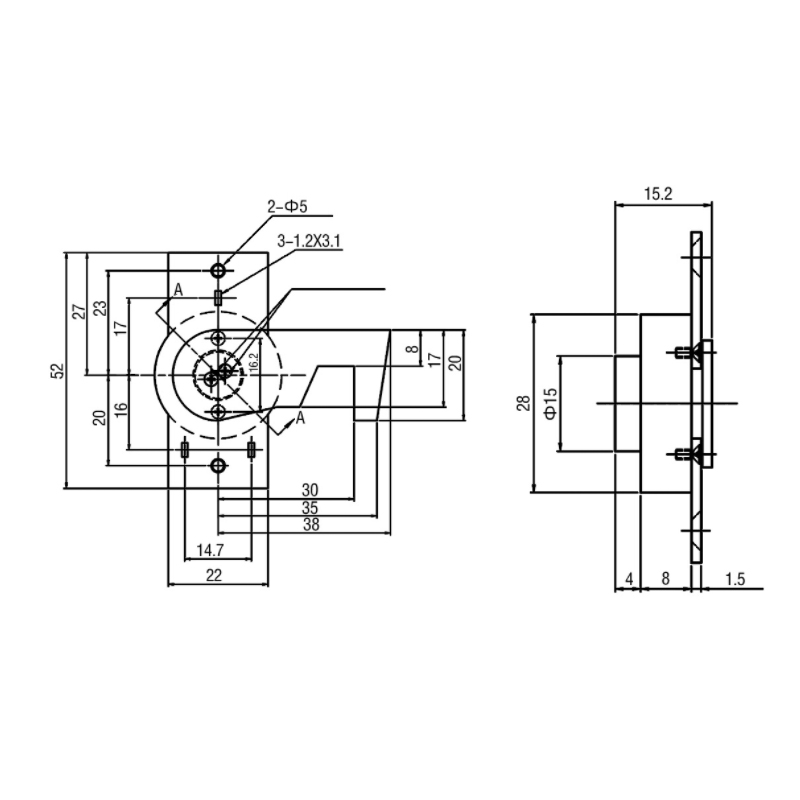 FKD-2201 Elevator Hitachi Control Box Lock (New Model)As one of the core accessories of the Hitachi elevator control system, the Hitachi control box lock is specially designed for modern high-rise buildings and high-end p...View Product →
A Sourcing Checklist Before You Approve a Sample
- Ask for the wiring diagram, not only the datasheet — it reveals how the stop and the selector are actually connected.
- Measure the existing inspection circuit voltage on site instead of trusting the previous purchase order.
- Confirm the depth behind the panel; a 60 mm deep box does not fit where a 40 mm one did.
- Check button spacing for gloved operation and confirm the two buttons cannot be pressed simultaneously.
- Look at the gasket. A box without a moulded or bonded gasket is not IP54, whatever the label says.
- Press the emergency stop and release it ten times. It should latch firmly and reset cleanly every time.
- Confirm the keyway family matches the keys the maintenance team already uses.
- Request terminal torque values and batch inspection records for the switches, not just a certificate for the enclosure.
Maintenance: What Keeps a Box in Service
Inspection boxes rarely fail suddenly. They degrade — a button loses its spring, a selector detent wears, a gland loosens and lets condensation in. Adding the station to the routine service sheet takes two minutes and catches most of it: press each button and release it, check that the selector snaps to both positions, twist-test the gland, look for water staining inside the lid, and confirm the emergency stop latches and resets.
Key-operated parts deserve their own line on the sheet. A worn key cylinder is a security problem as much as a reliability one, and the maintenance routine for these switches is straightforward once it is written down: daily maintenance of lift key switches covers the checks that apply equally to a car top selector.
Frequently Asked Questions About Car Top Inspection Boxes
Q1. What is a car top inspection box?
It is the control station mounted on the lift car top that lets a technician run the car at reduced speed during maintenance. It contains an inspection/normal selector, an emergency stop, constant-pressure UP and DOWN buttons, and usually a socket for a hand lamp.
Q2. What voltage does a car top inspection box use?
It is wired to the controller's inspection circuit, so the voltage follows the control circuit — most often 24 V DC or 110 V AC, with 220–230 V AC on older or region-specific equipment. Measure the existing circuit before ordering.
Q3. What IP rating does a car top inspection box need?
IP54 is the practical minimum for a dry shaft. Specify IP65 where the car top sees wash-down, high humidity, or a semi-outdoor installation. Ingress is the most common cause of failed inspection switches and corroded terminals.
Q4. Is the emergency stop required to be hard-wired?
Yes. The stop function should open the inspection circuit directly, not through a relay, PLC or software command. A software-only stop cannot be relied on when the controller or its firmware misbehaves.
Q5. Can a car top inspection box be retrofitted to an older elevator?
Usually yes. Check the mounting hole pattern, the inspection circuit voltage, the button spacing and the cable entry position. Retrofits mostly fail because the new box is deeper than the old one, or the buttons sit outside the reach of the existing bracket.
Q6. How do I know when to replace a car top inspection box?
Buttons that no longer spring back, a selector loose in its detent, a cracked or yellowed enclosure, corroded terminals, moisture inside the housing, or an E-stop that needs more than a light press to latch. Any of these is a stop-work item, not a watch-it item.
If your lift fleet mixes brands, the simplest path is to standardise on the two parts that wear first — the key-operated selector and the enclosure lock — and let the box supplier confirm the rest against your wiring diagram. Fukangda is an elevator parts manufacturer in Ningbo that has supplied switch, lock and guide components to lift builders since 2006, and the fastest way to close a specification gap is to send a photo of the existing station along with the controller model.