
 English
 中文简体
中文简体
When you open the hoistway door at the lowest landing and look down, you see a concrete recess that most passengers never think about. That recess is the elevator pit — a shallow but safety-critical space between the floor of the lowest stop and the bottom of the hoistway. It cushions the car at the end of travel, anchors the guide rails, and gives technicians room to work. Getting the pit right affects not only code compliance, but also the long-term reliability of every component mounted in it.
Content
What Is an Elevator Pit?
The elevator pit is the portion of the hoistway below the lowest landing. It extends over the full footprint of the hoistway and is normally built from reinforced concrete. In simple terms, it is the crawl space under the elevator car when the car rests on its buffers.
Its main jobs are straightforward:
- Provide stroke room for the buffers under the car and counterweight.
- Support the tail ends of guide rails and brackets.
- House devices such as the speed governor tension sheave and bottom stop switches.
- Give maintenance personnel a safe area to stand during inspection, rescues, and routine service.
Traction and hydraulic elevators depend on this space to absorb emergency impact and to keep the rails properly aligned. Some screw-driven home lifts can be installed with a reduced pit or even no pit, but most traction and hydraulic installations need a prepared pit with concrete tolerances that match the elevator supplier’s drawings.
Elevator Pit Depth and Dimensional Essentials
The exact depth of an elevator pit is not something you can guess. It is calculated from the rated speed of the elevator, the buffer type, the under-car structure, and the code enforced in your region. Two widely used references are ASME A17.1/CSA B44 in North America and EN 81-20 in Europe. The key rule is simple: the faster the car travels, the more buffer stroke is needed, and therefore the deeper the pit has to be.
For typical low-rise and mid-rise buildings, the practical depth ranges below are common. They are not a substitute for the elevator manufacturer’s approved layout, but they give you a sense of what to plan for.
A shallow pit is one of the most common reasons an existing building cannot easily take a new elevator. If the pit depth is insufficient, the buffer cannot be installed at the correct height, the car or counterweight may touch the floor in an overspeed condition, and inspectors will reject the installation. That is why experienced elevator contractors always coordinate the pit depth with the equipment supplier before pouring concrete.
The trend below is typical for traction elevators with oil buffers: more rated speed means more stroke length and a deeper pit.
What Lives Inside an Elevator Pit?
A well-built pit is never empty. Inside you will find a handful of components that work together every time the elevator runs:
- Buffer units (oil or polyurethane) under the car and counterweight;
- Guide rail tails and fixing brackets;
- Guide shoes or rollers on the counterweight and car side;
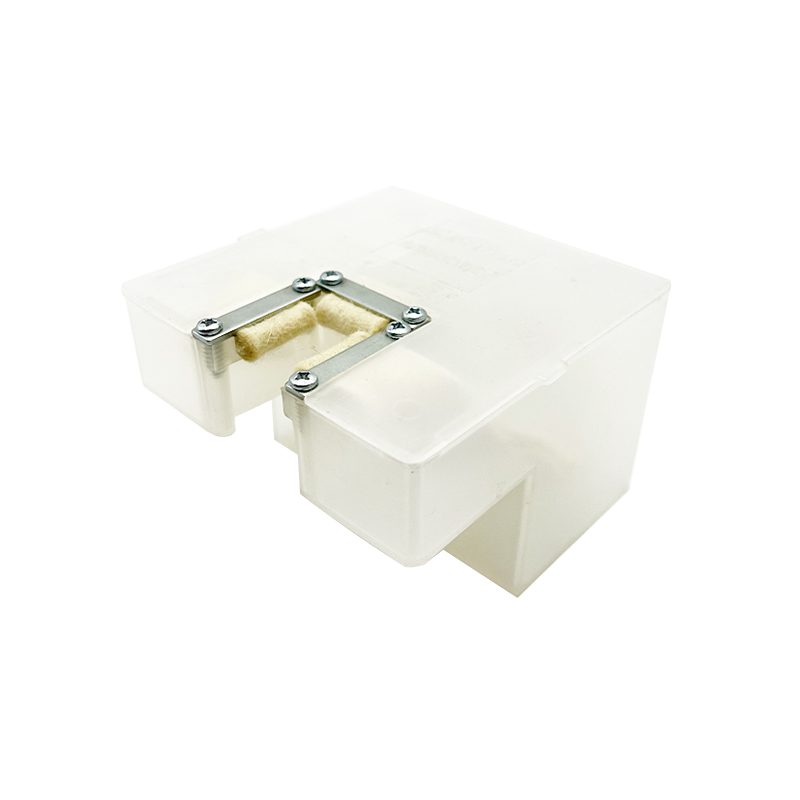
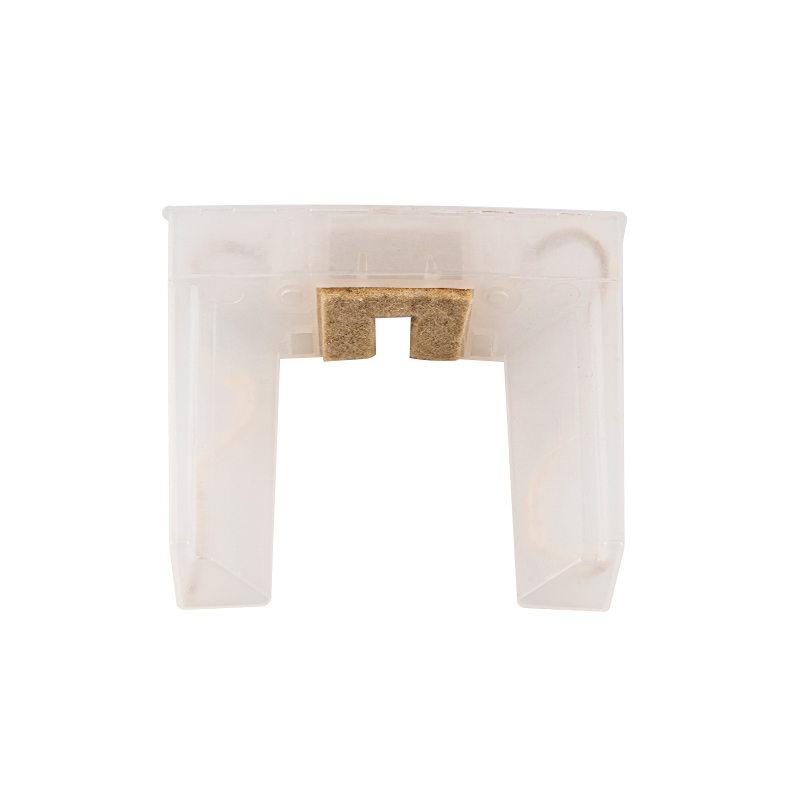
- Oil cups that lubricate the rail surface;
- Speed governor tension sheave;
- Bottom travel switches and inspection controls;
- Sump pump where groundwater is a risk;
- Ladder and lighting.
Guide Shoes and Oil Cups
Guide shoes keep the car and counterweight aligned on the rails. Sliding shoes use replaceable linings, while roller guide shoes use rubber-tyred rollers. Oil cups are small reservoirs mounted near the rail face; they drip lubricant onto the rail to reduce wear and noise. Worn guide shoes cause vibration, thumping, and eventually rail scoring. If an oil cup runs dry, the car can squeak and the shoe lining wears much faster. That is why these small accessories are on every serious pit inspection list.
If you want to understand why an oil cup deserves so much attention, read our article on elevator oil cups. And when it is time to replace worn shoes, choosing the correct model is critical for both comfort and safety — browse our guide shoe range to see sliding and roller types for different speeds and rail profiles.
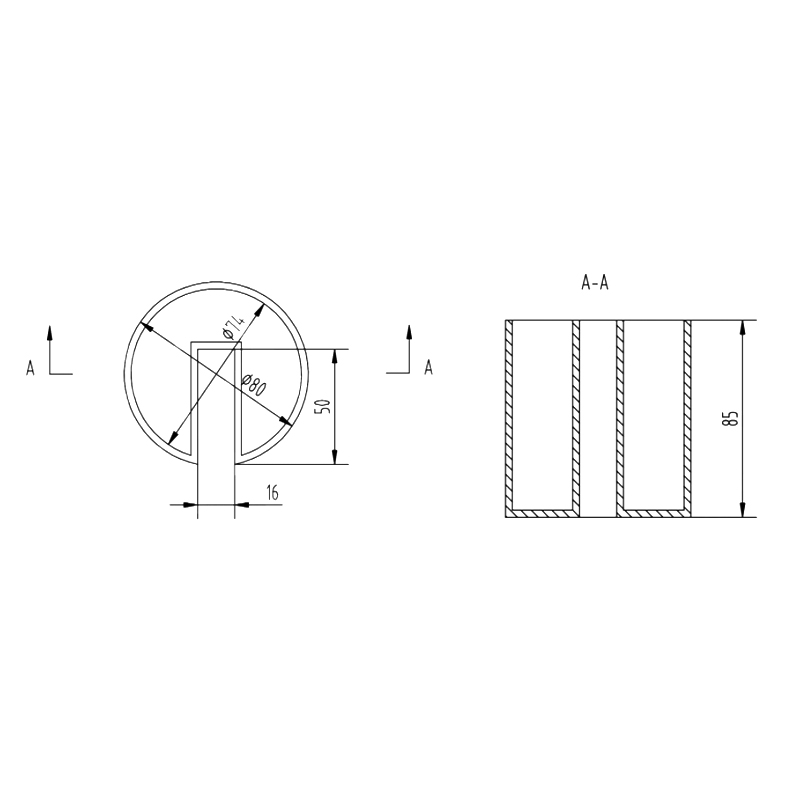 FKD-9098 Elevator Oil Cup for Smooth Buffer LubricationThis oil cup relates to the buffer system discussed above, where clean, dry components are essential for safe stops. It is worth examining here as a replacement or spare part during buffer maintenance.View Product →
Buffers and Safety Devices
The buffers are the last line of protection. An oil buffer uses a piston that decelerates the car smoothly; a polyurethane buffer is used for very low speeds. Above them are the bottom switches that cut the controller when the car enters the final limit zone. All of these devices must be kept clean, dry, and properly adjusted. A small piece of debris or a leaking seal can change the compression characteristics and create an unsafe stop.
Waterproofing and Drainage for Elevator Pits
Because a pit sits below grade, it is one of the most water-vulnerable areas in a building. Groundwater enters through cracks, cold joints, pipe penetrations, or simply by capillary action through porous concrete. If the pit is not protected, moisture will rust buffer parts, corrode electrical switches, create a slippery film on the floor, and eventually cause major component failures.
The most reliable solution is positive-side waterproofing, which is applied outside the pit walls during construction. For retrofit projects, negative-side cementitious or crystalline coatings can be applied from the inside, and a drainage mat or sump pump adds a second line of defense. Crystalline waterproofing is especially useful in concrete pits because it self-heals hairline cracks, but it must be applied on a sound substrate. Crack injection and structural repair come first; coating alone will not stop active leakage through a moving crack.
A sump pit with a submersible pump is a practical redundancy in areas with high groundwater. The pump should have an alarm and a battery backup, because a flooded pit during a power outage is a serious safety hazard.
Inspecting the Pit: A Maintenance Checklist
OSHA treats elevator pits as permit-required confined spaces in many cases. They are deep, have limited entry and exit, and contain electrical and mechanical hazards. Before anyone enters a pit, the elevator should be locked out, and the atmosphere should be tested if there is any reason to doubt the air quality.
During a routine inspection, pay attention to these items:
- Standing water or oily residue on the floor;
- Buffer condition: cracks, fluid level, and secure mounting;
- Guide shoe wear: check the working surface and replace the lining when it is below the manufacturer’s minimum thickness;
- Oil cups: refill if empty and clean any overflow that attracts dust;
- Speed governor tension sheave and rope slack;
- Bottom travel switches, wiring, and lighting;
- Condition of the ladder and the pit stop switch.
Replacing worn shoe linings is a fast, low-cost fix that restores smooth running and prevents steel-on-steel contact. Always use a lining matched to your rail type and shoe body; a universal boot liner from a reliable elevator parts supplier is an easy way to keep a small stock for planned maintenance.
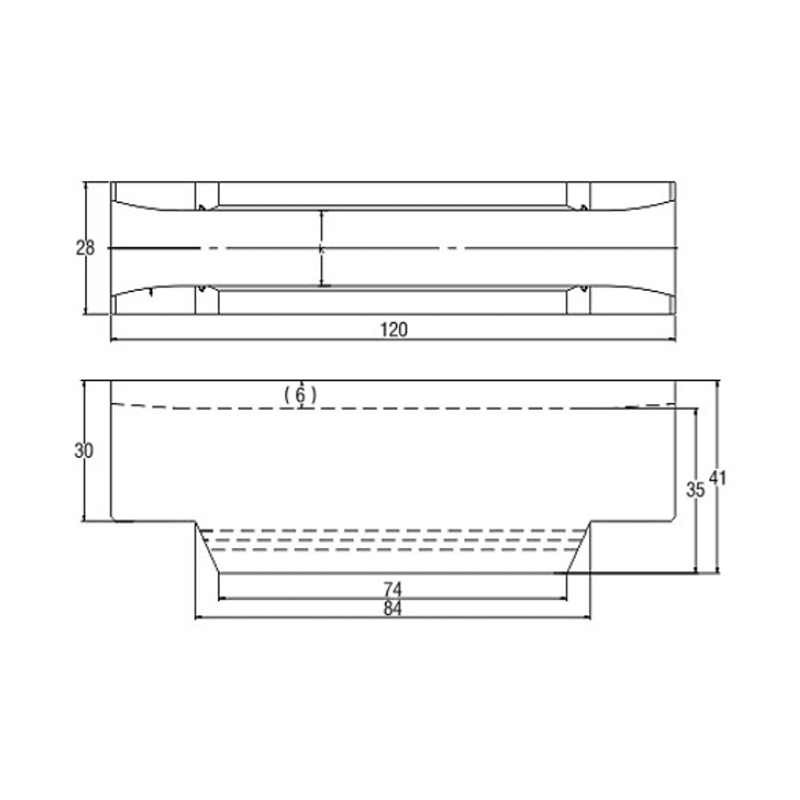 FKD-T001 Elevator Guide Shoe Lining with Multiple Thickness OptionsDesigned to reduce friction between the guide rail and shoe lining, this lining comes in 120 mm width and thickness options from 5 to 16 mm. Useful when replacing worn linings to avoid steel-on-steel contact.View Product →