
 English
 中文简体
中文简体
Content
- 1 Escalator Rollers Should Be Replaced at the First Signs of Wear or After 20,000–30,000 Operating Hours
- 2 Visible Wear and Diameter Reduction Are the Primary Indicators
- 3 Abnormal Noise and Vibration Signal Immediate Inspection
- 4 Traffic Volume Directly Affects Replacement Frequency
- 5 Preventive Maintenance Reduces Unexpected Failures
- 6 FAQ: Common Questions About Escalator Roller Replacement
Escalator Rollers Should Be Replaced at the First Signs of Wear or After 20,000–30,000 Operating Hours
The clear answer is this: escalator rollers should be replaced when visible wear, abnormal noise, vibration, or diameter reduction exceeds manufacturer limits. In most commercial environments, rollers typically last 5–8 years or approximately 20,000–30,000 operating hours. High-traffic locations such as metro stations may require replacement within 3–5 years.
Delaying replacement can increase mechanical stress by 15–25%, accelerate guide rail wear, and significantly raise long-term maintenance costs.
Visible Wear and Diameter Reduction Are the Primary Indicators
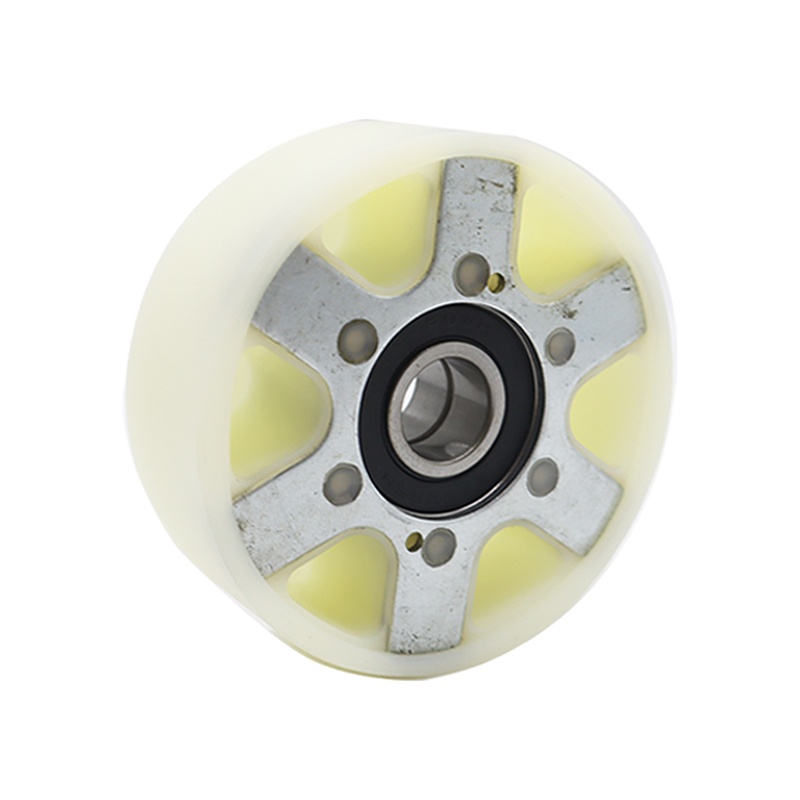
Escalator rollers, commonly made of polyurethane or nylon, gradually wear due to constant contact with guide tracks. A reduction in roller diameter of more than 2–3 mm is typically considered beyond acceptable tolerance.
- Flat spots causing repetitive knocking sounds
- Cracks or surface chunking
- Uneven wear patterns
- Excessive side play in bearings
Even minor diameter loss can affect step alignment, increasing vibration levels and passenger discomfort.
Abnormal Noise and Vibration Signal Immediate Inspection
Escalator rollers account for nearly 30% of operational noise complaints in commercial buildings. Grinding, rumbling, or rhythmic knocking noises often indicate worn or damaged rollers.
If vibration levels increase noticeably, the rolling resistance may have risen by 10% or more, placing additional strain on the drive motor and step chain.
Traffic Volume Directly Affects Replacement Frequency
Roller lifespan varies significantly based on passenger flow and environmental conditions.
| Location Type | Daily Passengers | Average Replacement Cycle |
|---|---|---|
| Shopping Mall | 5,000–10,000 | 6–8 years |
| Metro Station | 20,000+ | 3–5 years |
| Office Building | 2,000–4,000 | 7–10 years |
Preventive Maintenance Reduces Unexpected Failures
Regular inspection schedules significantly extend escalator system life. Most maintenance programs recommend:
- Visual inspection every 6 months
- Annual diameter measurement with calipers
- Bearing lubrication checks
- Replacement in matched sets for balanced load distribution
Proactive replacement can reduce emergency breakdown incidents by up to 40%.
FAQ: Common Questions About Escalator Roller Replacement
How long do escalator rollers usually last?
Typically 5–8 years in commercial buildings, but as little as 3–5 years in high-traffic transit systems.
What is the most obvious sign of roller failure?
Rhythmic knocking sounds and increased vibration are common early warning signs.
Can worn rollers increase energy consumption?
Yes. Increased rolling resistance can raise motor load and energy usage by 5–10%.
Is it safe to replace only one roller?
While possible, replacing rollers in sets ensures balanced wear and smoother operation.
How is roller wear measured?
Technicians use calipers to measure diameter reduction and inspect for cracks or flat spots.
What happens if rollers are not replaced in time?
Delayed replacement can damage guide rails, increase downtime, and raise overall repair costs significantly.