
 English
 中文简体
中文简体
Content
What is an Elevator Roller Guide Shoe?
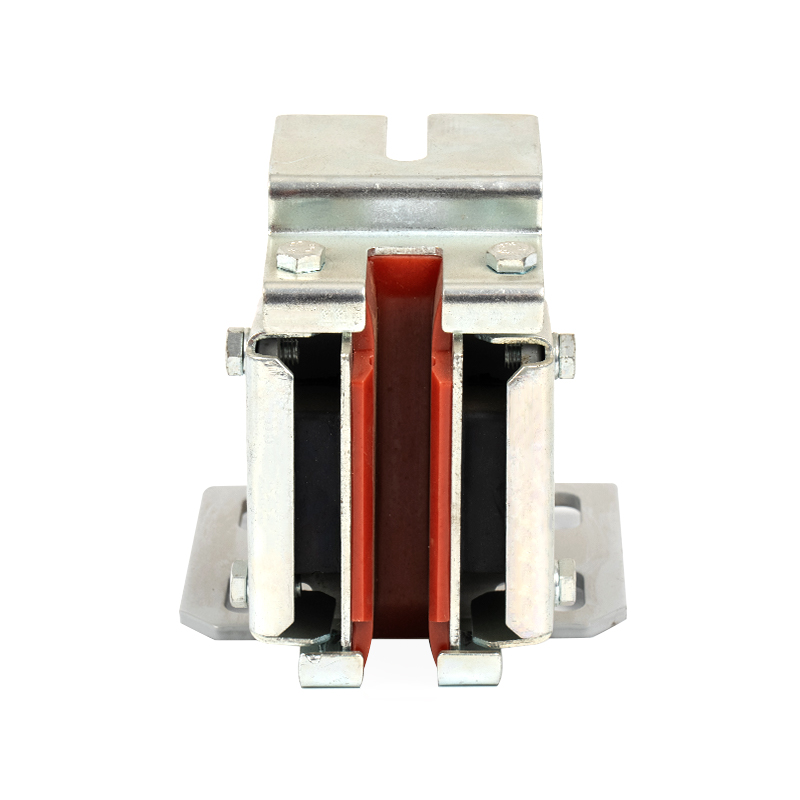
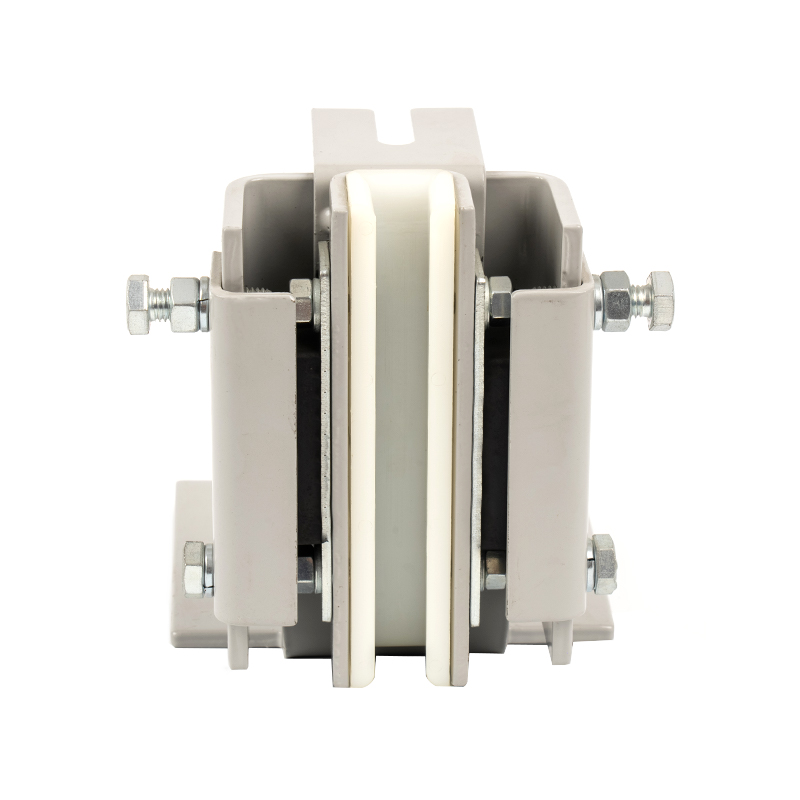
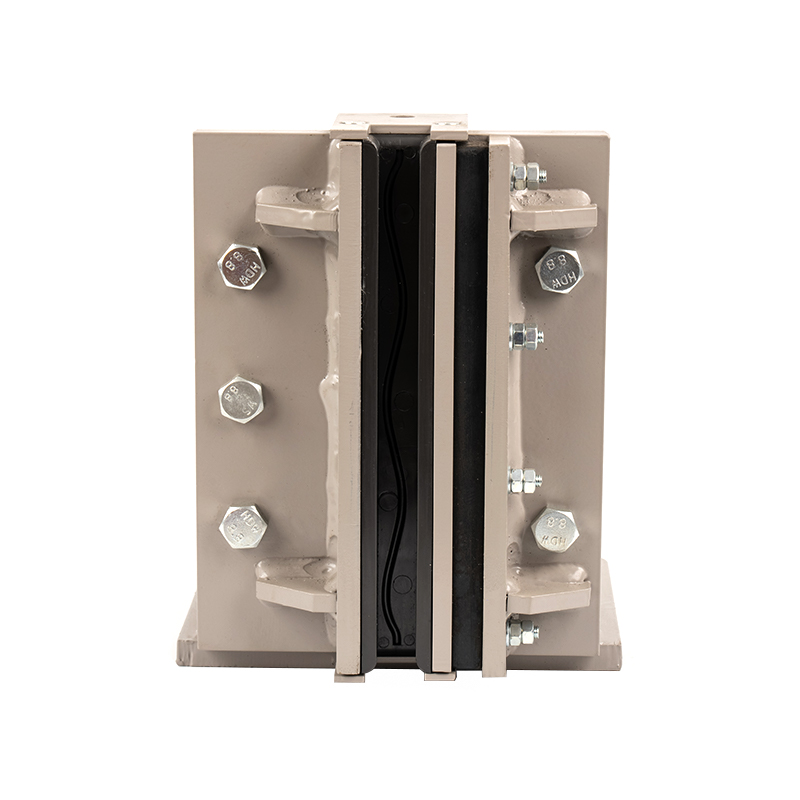
An elevator roller guide shoe is a critical component used in elevator systems to ensure smooth and stable movement. It is mounted on the elevator car and travels along the guide rails to reduce friction and wear. The roller guide shoe helps to guide the elevator car within the shaft, providing accurate alignment and minimizing noise during operation. By using rollers, it reduces the resistance encountered by the elevator, thus improving efficiency and extending the lifespan of both the elevator and the guide rails.
How Does an Elevator Roller Guide Shoe Work?
The primary function of an elevator roller guide shoe is to maintain the alignment of the elevator car as it moves up and down the shaft. Here’s how it works:
- The roller guide shoe is attached to the elevator car and consists of multiple rollers that rotate as the elevator moves along the guide rails.
- The rollers make contact with the guide rails, which helps to reduce friction between the car and the rails, allowing for smooth movement.
- As the elevator moves, the guide shoe maintains the car's position within the shaft, preventing it from swaying or becoming misaligned.
- The roller guide shoe also absorbs vibrations, contributing to a quieter ride.
Benefits of Elevator Roller Guide Shoes
Elevator roller guide shoes provide several significant benefits, including:
- Reduced Friction: The roller design helps minimize the friction between the elevator car and the guide rails, allowing for smoother, quieter operation.
- Increased Durability: By reducing wear on both the elevator car and guide rails, roller guide shoes extend the lifespan of the system and reduce maintenance costs.
- Improved Efficiency: Reduced friction and smooth movement help the elevator operate more efficiently, reducing energy consumption during operation.
- Quieter Operation: The use of rollers reduces vibration and noise, providing a quieter ride for passengers.
- Better Load Handling: The roller guide shoe helps distribute the load evenly, improving the stability of the elevator car, especially when carrying heavy loads.
Types of Elevator Roller Guide Shoes
There are different types of elevator roller guide shoes available, depending on the specific needs of the elevator system:
- Vertical Roller Guide Shoes: These are used in vertical elevator shafts, where the rollers move vertically along the guide rails.
- Horizontal Roller Guide Shoes: Used in horizontal or inclined elevator shafts, these shoes have rollers that rotate in a horizontal direction.
- Side Roller Guide Shoes: These shoes have rollers placed on the sides to guide the elevator car from the sides, providing extra stability.
FAQ
Q: How often should the elevator roller guide shoe be replaced?
The elevator roller guide shoe should be inspected regularly for signs of wear. It typically needs to be replaced every 5 to 10 years, depending on the level of use and the environment.
Q: Can elevator roller guide shoes be repaired?
In most cases, elevator roller guide shoes can be repaired by replacing the worn-out rollers or components. However, if the shoe is extensively damaged, it is better to replace the entire unit.
Q: Do roller guide shoes work in all elevator types?
Yes, roller guide shoes are suitable for most elevator types, including passenger, freight, and industrial elevators, as long as the correct shoe type is selected for the system.
Q: What material are elevator roller guide shoes made from?
Elevator roller guide shoes are typically made from durable materials such as steel, stainless steel, or reinforced plastic to ensure they can withstand the wear and tear of continuous use.
Q: How can I ensure the proper functioning of my elevator roller guide shoe?
Regular maintenance and inspection are key to ensuring the proper functioning of elevator roller guide shoes. Check for signs of wear, lubrication issues, or misalignment to ensure smooth operation.
Q: Can roller guide shoes improve elevator speed?
While roller guide shoes don’t directly affect the speed of the elevator, they do improve the efficiency of movement by reducing friction, which can indirectly contribute to smoother, faster operation.