
 English
 中文简体
中文简体
Content
- 1 What Is an Elevator Roller Guide Shoe
- 2 How Roller Guide Shoes Work in an Elevator System
- 3 Common Types of Elevator Guide Shoes
- 4 Why Elevators Shake and How Guide Shoes Solve It
- 5 Signs Your Elevator Guide Shoes Need Replacement
- 6 Material Selection for Roller Guide Shoes
- 7 Maintenance Practices for Elevator Guide Shoes
- 8 Working With an Elevator Roller Guide Shoe Manufacturer
- 9 Frequently Asked Questions
- 9.1 Q1: What is an elevator roller guide shoe?
- 9.2 Q2: How does a roller guide shoe work in elevators?
- 9.3 Q3: What causes elevator guide shoe noise?
- 9.4 Q4: How often should elevator guide shoes be replaced?
- 9.5 Q5: What is the difference between roller and sliding guide shoes?
- 9.6 Q6: Why does my elevator shake when moving?
- 9.7 Q7: What are the signs of worn elevator guide shoes?
- 9.8 Q8: How to maintain elevator guide shoes properly?
- 9.9 Q9: Which material is best for elevator roller guide shoes?
What Is an Elevator Roller Guide Shoe
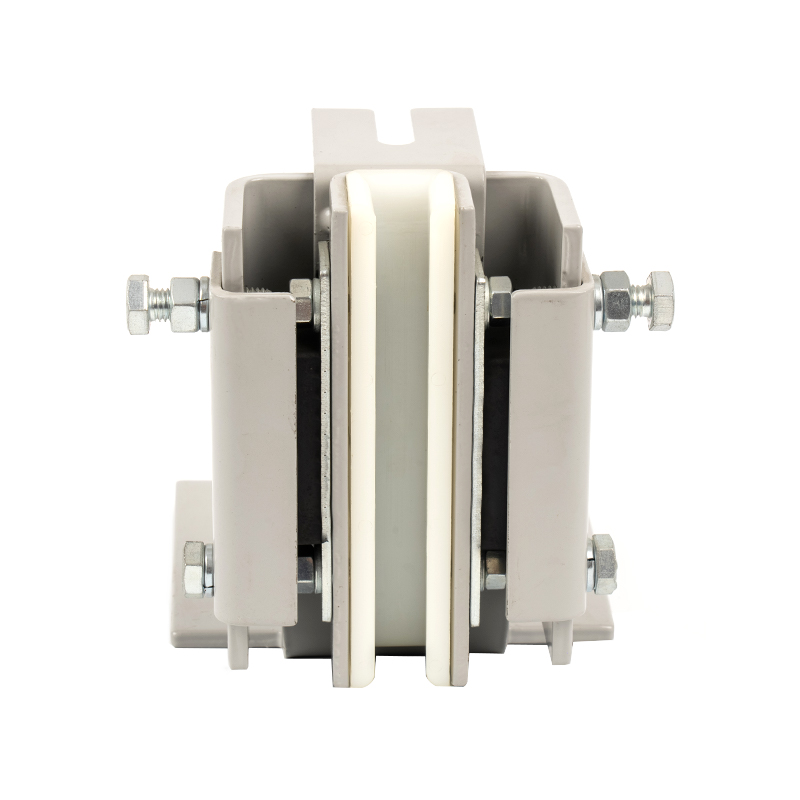
An elevator roller guide shoe is a mechanical component mounted on the top and bottom of an elevator car and counterweight frame that maintains rolling contact with the guide rail during operation. Unlike sliding guide shoes, which rely on a lubricated friction pad, roller guide shoes use rotating wheels to follow the rail, which significantly reduces vibration and operating noise while improving ride comfort. This design is the standard choice for mid-to-high-speed elevators because it lowers mechanical resistance and extends the service life of both the guide rail and the car frame.
Roller guide shoes typically consist of three rollers arranged at fixed angles around the guide rail, each equipped with a spring-loaded suspension system that absorbs minor rail deviations. This structure allows the elevator car to travel smoothly even when the rail alignment is not perfectly straight. Buildings such as high-end office towers, star-rated hotels, high-rise residential complexes, and commercial centers commonly specify roller guide shoes for elevators running at higher speeds, where smoothness and noise control are critical to passenger experience.
How Roller Guide Shoes Work in an Elevator System
The working principle is straightforward but mechanically important. As the elevator car moves along the guide rail, the rollers rotate against the rail surface instead of sliding across it. This rolling motion converts what would otherwise be friction-based resistance into a much smoother rotational force, which is the main reason roller guide shoes generate less heat and less audible noise than sliding-type shoes, especially at speeds above 1.0 m/s.
Each roller is mounted on a spring or rubber damping mechanism that allows a small amount of lateral movement. This damping absorbs minor irregularities in the guide rail, such as slight misalignment from installation tolerances or thermal expansion, preventing those irregularities from being transmitted directly into the car frame. The result is a stable, low-vibration ride even during acceleration and deceleration phases, which are usually the points where passengers notice the most movement.
Core Components of a Roller Guide Shoe
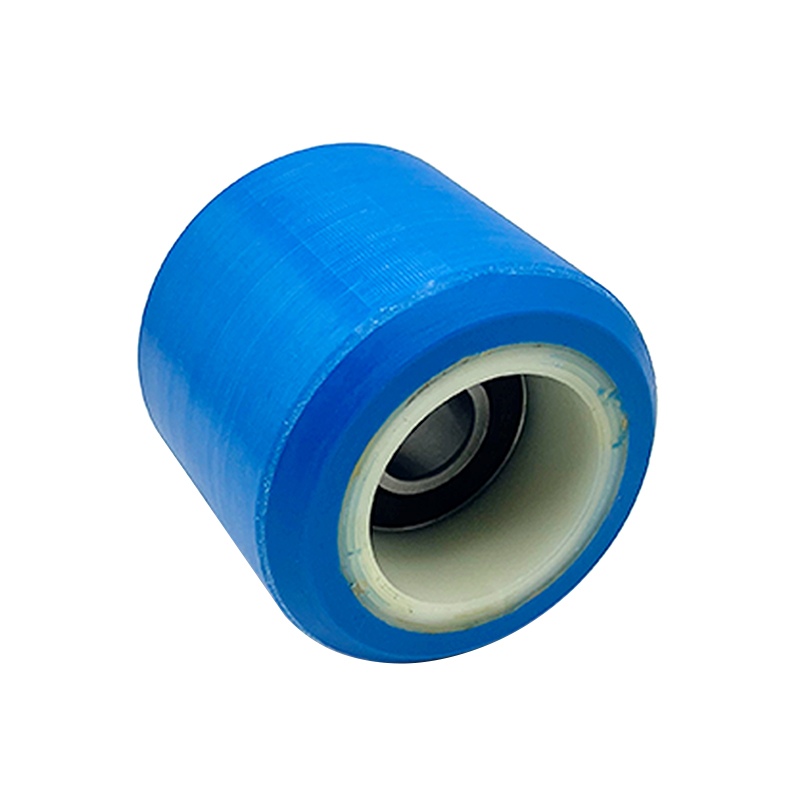
- Roller wheel (typically polyurethane or rubber-coated)
- Bearing assembly for smooth rotation
- Spring or damping mechanism
- Mounting bracket connecting to the car frame
- Adjustment bolts for rail clearance calibration
As shown in the chart above, roller guide shoes operating at standard speed produce noise levels around 52 decibels, comparable to a quiet office environment. Even at higher elevator speeds, roller guide shoes stay considerably below the noise output of sliding guide shoes, which can reach 68 decibels under similar load conditions. This gap becomes more noticeable in buildings where elevators run frequently throughout the day, making roller guide shoes the preferred choice for noise-sensitive environments such as hotels and residential towers.
Common Types of Elevator Guide Shoes
There are two primary categories of elevator guide shoes used across the industry today: roller guide shoes and sliding guide shoes. Understanding the difference helps facility managers and procurement teams choose the right elevator guide shoe replacement parts for their specific elevator speed and usage pattern.
| Type | Typical Speed Range | Noise Level | Maintenance Frequency |
|---|---|---|---|
| Roller Guide Shoe | 1.0–6.0 m/s | Low | Periodic roller inspection |
| Sliding Guide Shoe | Below 1.0 m/s | Moderate to High | Regular lubrication and pad checks |
| Spring-Loaded Roller Shoe | 2.0–10.0 m/s | Very Low | Annual spring tension check |
Choosing the Right Guide Shoe Type
For elevators running above 1.0 m/s, roller guide shoes are generally the more practical option because they handle higher rotational speeds without generating excessive friction. Slower freight or service elevators may still use sliding guide shoes, which remain a cost-effective and simple design for low-speed applications where noise and vibration are less of a concern.
Why Elevators Shake and How Guide Shoes Solve It
Elevator shaking is one of the most common complaints reported by building occupants, and in many cases the root cause traces back to worn or improperly adjusted guide shoes. When the roller surface wears down unevenly, the spring tension weakens, or the rail clearance becomes too wide, the car frame loses its stable contact with the guide rail, producing lateral movement that passengers feel as shaking or swaying.
This line chart illustrates a typical pattern observed in field data: vibration levels stay relatively low during the first six to twelve months of a guide shoe's service life, then rise sharply once the roller surface begins to flatten or the rubber coating degrades. By the 24 to 30 month mark, many roller guide shoes operating under heavy daily use show a noticeable increase in vibration, which is typically the point where building maintenance teams should schedule inspection or replacement. Recognizing this trend early helps prevent the shaking from progressing into more serious rail misalignment issues.
Addressing an elevator shaking solution usually starts with checking the roller condition, spring compression, and rail clearance before assuming the problem lies in the motor or control system. In many service reports, replacing worn rollers alone resolves the majority of shaking complaints without requiring more extensive mechanical work.
Signs Your Elevator Guide Shoes Need Replacement
Identifying wear early reduces downtime and prevents secondary damage to the guide rail and car frame. The following signs are commonly reported by elevator maintenance technicians during routine inspections.
- Audible squeaking or grinding noise during travel
- Visible flat spots or cracking on the roller surface
- Increased lateral movement or swaying of the car
- Uneven wear pattern across the three rollers
- Reduced spring tension or visible looseness in the bracket
This horizontal bar chart summarizes how frequently each wear symptom appears across typical maintenance logs. Noise or squeaking is the most commonly reported issue at 64 percent of inspected cases, which aligns with the fact that auditory symptoms are usually the first thing passengers and technicians notice. Visible roller wear and lateral swaying follow closely behind, reinforcing the importance of scheduling visual inspections alongside noise-based diagnostics rather than relying on sound alone.
Material Selection for Roller Guide Shoes
The material used for the roller surface directly affects noise output, wear resistance, and load capacity. Polyurethane rollers are the most widely used option in modern elevator systems because they balance durability with a relatively quiet rolling action. Nylon rollers offer good wear resistance at a lighter weight, while rubber-coated rollers provide additional vibration absorption for premium installations.
The radar chart above represents polyurethane roller performance across six key attributes commonly evaluated by elevator parts buyers. Polyurethane scores particularly high in wear resistance and noise control, which explains why it remains the dominant material choice for medium-to-high-speed elevator applications. Buyers selecting components for ultra-high-speed elevators often prioritize wear resistance and load capacity above other factors, since these units operate under continuous high-frequency use in commercial buildings.
When comparing material options for an elevator roller guide shoe manufacturer sourcing decision, it is useful to request technical data sheets that specify hardness ratings, temperature tolerance, and expected wear life under standard load conditions, rather than relying on material name alone.
Maintenance Practices for Elevator Guide Shoes
Routine maintenance extends the operational life of guide shoes and reduces the likelihood of unexpected shaking or noise complaints. Most elevator service schedules recommend visual inspection of roller condition every three to six months, with closer attention paid to units operating in high-traffic commercial buildings where usage cycles are significantly higher than in low-rise residential settings.
- Inspect roller surface for flat spots, cracks, or uneven wear
- Check spring tension and bracket fastener tightness
- Measure rail clearance against manufacturer specifications
- Clean debris and dust buildup around the roller assembly
- Record vibration or noise readings to track wear trends over time
Facility managers who maintain a documented inspection log are typically better positioned to plan elevator maintenance guide shoe replacement proactively, rather than responding reactively after a noise or shaking complaint is reported by tenants or visitors.
Working With an Elevator Roller Guide Shoe Manufacturer
Selecting a reliable elevator roller guide shoe supplier involves more than comparing product specifications. Production capability, quality control processes, and the ability to support custom configurations for different rail profiles all play a role in long-term reliability. Ningbo Yinzhou Fukangda Elevator Parts Factory, established in 2006 and based in Yinzhou District, Ningbo City, Zhejiang Province, China, operates as an innovative enterprise focused on the research, development, production, and sales of elevator parts, including roller guide shoes.
The factory's production center is equipped with a range of hardware and plastic processing equipment, supported by mature assembly lines and inspection procedures designed to maintain consistent precision and performance across production batches. This infrastructure supports both standard product lines and custom elevator guide shoe manufacturing for clients with specific rail dimensions or load requirements, while also ensuring a stable supply chain for ongoing orders.
As a long-established OEM elevator roller guide shoe factory, the company has developed cooperative relationships with several established names in the elevator industry, including Hitachi, Mitsubishi, Otis, Thyssen, Guangri, Kangli, Asia Pacific, and Singlin. This experience working alongside major elevator brands reflects the factory's familiarity with industry quality expectations and component compatibility requirements across different elevator systems.
For procurement teams searching for a wholesale elevator guide shoe supplier or evaluating an elevator spare parts supplier China based option, key factors to assess include production capacity, material sourcing transparency, inspection documentation, and the supplier's experience with the specific elevator brand or rail profile in use at the project site.
Frequently Asked Questions
Q1: What is an elevator roller guide shoe?
It is a component that guides the elevator car or counterweight along the guide rail using rotating rollers instead of sliding contact, reducing vibration and noise during travel.
Q2: How does a roller guide shoe work in elevators?
Three spring-mounted rollers maintain rolling contact with the guide rail, absorbing minor rail irregularities and converting friction-based resistance into smoother rotational movement.
Q3: What causes elevator guide shoe noise?
Noise usually results from worn roller surfaces, reduced spring tension, debris buildup, or rail misalignment that increases friction during the rolling motion.
Q4: How often should elevator guide shoes be replaced?
Replacement timing depends on usage intensity, but inspections every three to six months help identify wear before it leads to shaking or noise issues.
Q5: What is the difference between roller and sliding guide shoes?
Roller guide shoes use rotating wheels for low-friction contact, suited to higher speeds, while sliding guide shoes use a fixed pad and lubricant, typically used on slower elevators.
Q6: Why does my elevator shake when moving?
Shaking is often linked to worn rollers, weakened springs, or excessive rail clearance, all of which reduce the guide shoe's ability to keep the car stable against the rail.
Q7: What are the signs of worn elevator guide shoes?
Common signs include squeaking sounds, visible flat spots on rollers, lateral swaying, uneven wear patterns, and looseness in the mounting bracket.
Q8: How to maintain elevator guide shoes properly?
Regular visual inspection, spring tension checks, rail clearance measurement, and cleaning of debris around the roller assembly help maintain consistent performance.
Q9: Which material is best for elevator roller guide shoes?
Polyurethane is widely used due to its balance of wear resistance and noise control, while nylon and rubber-coated options serve specific weight or vibration absorption needs.