
 English
 中文简体
中文简体
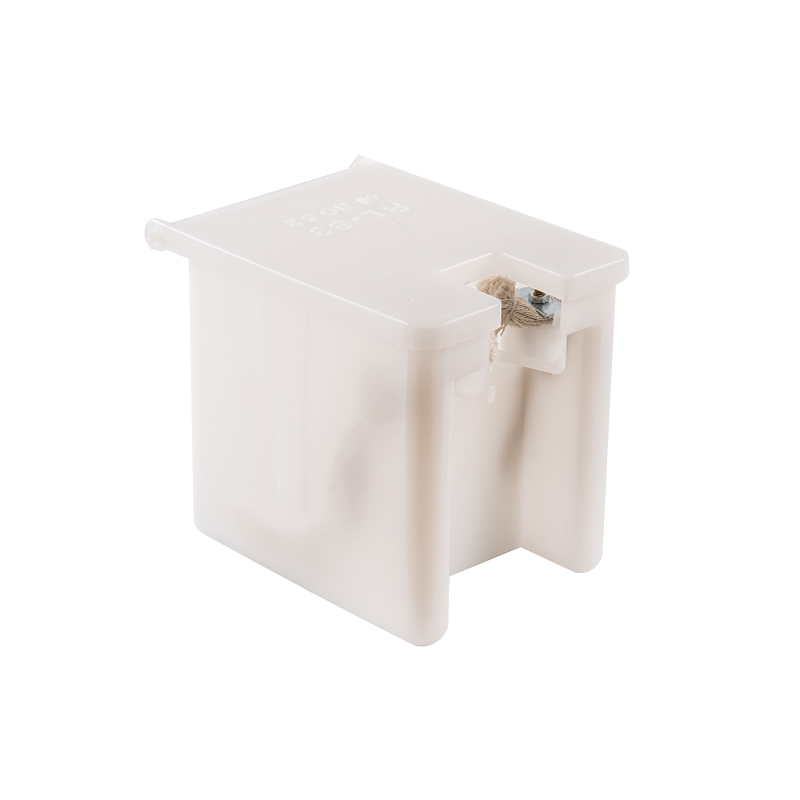
An elevator sliding guide shoe is the component that keeps the elevator car and counterweight aligned and stable as they travel along the guide rails, using a replaceable low-friction liner in direct contact with the rail rather than rotating wheels. For maintenance teams, OEM buyers, and procurement staff sourcing from an elevator sliding guide shoe manufacturer or supplier, the direct answer is this: sliding guide shoes remain the standard choice for low- and mid-speed elevators because they are mechanically simple, cost-efficient to maintain, and tolerant of rail irregularities, while roller guide shoes are generally reserved for higher-speed applications where reduced friction and smoother ride quality are the priority. The sections below cover the common types of sliding guide shoes, how they are built and how they work, where each type fits best, a detailed comparison against roller guide shoes, practical maintenance guidance, and answers to the questions most frequently asked by elevator parts buyers and technicians.
Content
- 1 Common Types and Characteristics
- 2 Working Principle and Structure
- 3 Application Scenarios and Selection Criteria
- 4 Detailed Comparison of Sliding and Roller Guide Shoes
- 5 Industry Trends in Guide Shoe and Rail Speed Compatibility
- 6 Maintenance Guidance for Long-Term Reliable Operation
- 7 Frequently Asked Questions
- 7.1 What is an elevator sliding guide shoe used for?
- 7.2 How does a sliding guide shoe differ from a roller guide shoe?
- 7.3 Which liner material should be selected for a sliding guide shoe?
- 7.4 How often should a sliding guide shoe liner be replaced?
- 7.5 What should be considered when choosing a manufacturer or supplier?
Common Types and Characteristics
Elevator sliding guide shoes are generally grouped by how they absorb rail irregularities and by the liner material used at the contact point. Choosing among these types affects ride comfort, noise level, and how often the liner needs replacement, so understanding the differences is a practical first step for any elevator parts buyer.
Fixed Sliding Guide Shoe
A rigid, non-spring design where the liner is fixed directly to the shoe body, commonly used on freight elevators and lower-speed applications where simplicity and durability are prioritized.
Spring-Loaded Sliding Guide Shoe
Incorporates an internal spring that allows the liner to float against minor rail deviations, improving ride smoothness and reducing transmitted vibration on passenger elevators.
Adjustable Sliding Guide Shoe
Allows the liner clearance to be fine-tuned on site to compensate for rail installation tolerances, which is useful during new installation or after rail alignment work.
Composite Liner Sliding Guide Shoe
Uses engineered polymer liners such as nylon or oil-embedded materials to reduce friction and noise while extending service life compared to older liner materials.
Liner material is one of the most important characteristics within each type, since it directly determines friction behavior, noise level, and wear rate. Common liner materials include standard nylon, oil-embedded self-lubricating nylon, and polyoxymethylene (POM), each offering a different balance of wear resistance, noise damping, and cost efficiency. Selecting the right combination of shoe type and liner material is typically guided by elevator speed, car weight, and rail condition, which are discussed in more detail in the selection section below.
Working Principle and Structure
An elevator sliding guide shoe works by maintaining continuous contact between a replaceable liner and the guide rail as the car or counterweight travels vertically, constraining lateral movement while allowing free vertical motion. The structure is intentionally simple, which is part of why sliding guide shoes remain a reliable, widely specified component across the elevator industry.
| Component | Function |
|---|---|
| Shoe Base / Bracket | Mounts the guide shoe to the elevator car frame or counterweight frame |
| Guide Shoe Liner (Gib) | The replaceable wear component that directly contacts the guide rail surface |
| Spring or Damping Element | Absorbs minor rail deviations and reduces vibration transmitted to the car (spring-loaded types only) |
| Adjustment Mechanism | Sets and maintains proper clearance between the liner and the rail surface |
| Rail Contact Channel | The three-sided groove that wraps around the guide rail head to constrain lateral and front-to-back movement |
During operation, the rail contact channel wraps around the head of the T-shaped guide rail, with the liner absorbing friction on all contact surfaces as the car moves. In spring-loaded designs, the spring element allows the liner to move slightly inward and outward, compensating for small rail misalignments without transmitting a hard jolt into the car frame. Because the liner is the primary wear component, its material and thickness are engineered to provide a predictable, gradually wearing surface that can be inspected and replaced well before it affects ride quality or rail contact integrity.
Application Scenarios and Selection Criteria
Elevator sliding guide shoes are applied across passenger elevators, freight elevators, and counterweight assemblies, with the right configuration depending primarily on elevator rated speed, car load, and guide rail profile. Matching these variables correctly affects ride quality, noise level, and how frequently maintenance teams need to schedule liner replacement.
Typical Application Scenarios
|
Key Selection Criteria
|
Rated speed is generally the single most influential factor in guide shoe selection, since higher speeds increase both the frequency of rail contact events and the sensitivity of passengers to any transmitted vibration. The doughnut chart below illustrates a general, representative split of where sliding guide shoes are most commonly applied across elevator use cases, which is useful context when evaluating typical demand patterns across a building portfolio or fleet.
Before reviewing the chart, it is worth noting that actual proportions vary by region, building type, and elevator age, so the figures below should be read as a general representative pattern rather than a precise market measurement. The chart divides typical sliding guide shoe usage into four broad categories: low- and mid-speed passenger elevators, freight and cargo elevators, counterweight assemblies across speed classes, and modernization or retrofit replacement projects. This kind of breakdown helps illustrate why liner material selection criteria differ so much between a freight application and a passenger application running at a higher duty cycle.
| Passenger (Low/Mid Speed) | Freight/Cargo |
| Counterweight Assemblies | Modernization/Retrofit |
The largest segment in this representative breakdown is low- and mid-speed passenger elevators, which reflects how widely sliding guide shoes are specified across residential and commercial buildings where rated speeds remain within the comfortable operating range for sliding contact. Freight and cargo elevators form the next largest segment, since these applications generally prioritize load-bearing durability over the smoother ride characteristics associated with roller guide shoes. Counterweight assemblies appear as a meaningful share because sliding guide shoes are commonly used on counterweights even in elevators where the car itself has been upgraded to roller guide shoes, since counterweight ride comfort is less critical to passengers. Modernization and retrofit projects represent a smaller but steady share, reflecting the ongoing replacement cycle across aging elevator fleets. This pattern also explains why many elevator parts manufacturers maintain a broad range of bracket styles, since retrofit projects frequently need to match legacy OEM mounting configurations from multiple original brands. Facility managers overseeing large elevator portfolios often find it useful to track this kind of usage split internally, since it helps forecast which liner materials and bracket types will see the highest replacement volume. Recognizing which segment a given elevator falls into is a practical first step before requesting a quotation from a guide shoe manufacturer or supplier.

Detailed Comparison of Sliding and Roller Guide Shoes
Sliding guide shoes and roller guide shoes both keep the elevator car aligned to the guide rail, but they differ meaningfully in mechanism, ride characteristics, and maintenance profile. Understanding these differences helps buyers avoid specifying the wrong component type for a given elevator's rated speed and duty cycle.
| Factor | Sliding Guide Shoe | Roller Guide Shoe |
|---|---|---|
| Typical Speed Range | Low to mid speed | Mid to high speed |
| Mechanical Complexity | Lower, fewer moving parts | Higher, includes bearings and wheels |
| Wear Component | Replaceable liner (gib) | Roller wheel tread and bearings |
| Sensitivity to Rail Lubrication | Requires rail lubrication for smooth operation | Generally does not require rail lubrication |
| Relative Component Cost | Generally lower | Generally higher |
Liner material is the other major comparison point within sliding guide shoes themselves, since different polymer liners offer different wear life under similar operating conditions. The stacked column chart below compares the relative service contribution of three common liner materials across two operating factors: wear resistance and noise damping performance, giving a combined view of how each material trades off these two properties.
Before looking at the chart, note that actual wear life and noise levels depend heavily on rail condition, lubrication practices, and elevator duty cycle, so the values shown represent general relative comparisons rather than fixed guarantees for any installation. The three materials compared are standard nylon, oil-embedded self-lubricating nylon, and POM. Each column is split into two stacked segments representing a relative wear-resistance contribution and a relative noise-damping contribution, so the total column height reflects overall relative performance across both factors combined.
The chart shows a clear progression from standard nylon through oil-embedded nylon to POM, with total column height increasing across both wear resistance and noise damping as materials become more specialized. Standard nylon typically offers the most basic performance profile among the three, which is why it remains common in freight and lower-duty-cycle applications where component cost efficiency outweighs the benefit of extended liner life. Oil-embedded self-lubricating nylon shows a meaningful step up in wear resistance because the embedded lubricant reduces surface friction at the contact point, which also contributes to a moderate improvement in noise damping. POM shows the strongest combined performance in this comparison, largely due to its higher inherent stiffness and dimensional stability, which helps maintain consistent contact geometry with the rail over a longer service interval. This progression illustrates why elevator modernization projects and higher-duty-cycle passenger elevators frequently specify POM or oil-embedded nylon liners rather than standard nylon, even though standard nylon remains a reasonable choice for lower-demand applications. It is worth noting that noise damping performance is also influenced by spring calibration and rail alignment, not liner material alone, so liner selection should be considered alongside proper installation and adjustment practices. Maintenance teams comparing liner options should request manufacturer guidance on expected wear life for their specific elevator speed and duty cycle rather than relying solely on general material comparisons like the one shown here. Because liner replacement is a routine maintenance task, many buyers standardize on a single liner material across a fleet to simplify inventory and replacement planning.
Industry Trends in Guide Shoe and Rail Speed Compatibility
As elevator rated speeds have generally trended upward across new installations, the relationship between guide shoe type and rail speed has become an increasingly important part of specification discussions. The scatter chart below presents a general, illustrative view of how sliding and roller guide shoe usage tends to distribute across a range of elevator rated speeds, based on general industry observation rather than a specific measured dataset.
Before reviewing the chart, it is worth emphasizing that individual building requirements, rail quality, and ride comfort expectations can shift a given project toward either guide shoe type outside of this general pattern. Each point on the chart represents a general application example, plotted with rated speed on the horizontal axis and relative ride demand priority on the vertical axis, to illustrate where sliding guide shoe applications tend to cluster relative to roller guide shoe applications.
The scatter pattern shows sliding guide shoe applications, in the lighter shade, clustering toward the lower-speed, lower ride-comfort-priority region of the chart, while roller guide shoe applications, in the darker shade, cluster toward the higher-speed, higher ride-comfort-priority region. This clustering reflects the general industry pattern where sliding contact remains fully adequate at lower speeds, since friction-related vibration and heat generation stay within a manageable range. As rated speed increases, ride comfort expectations typically rise as well, particularly in commercial and high-rise passenger buildings, which shifts specification preference toward roller guide shoes that reduce friction-related vibration at higher travel speeds. There is a visible transition zone in the middle of the chart where both guide shoe types appear, reflecting real-world projects where speed alone does not fully determine the choice, since factors such as rail quality, building usage pattern, and modernization budget also play a role. This transition zone is an important takeaway for specification teams, since it shows that mid-speed elevators are not automatically restricted to one guide shoe type and should be evaluated on a combination of factors rather than speed alone. It also explains why some elevator manufacturers and modernization contractors continue to specify well-designed sliding guide shoes, including spring-loaded and composite-liner types, even at speeds where roller guide shoes are common, particularly when cost efficiency and mechanical simplicity remain priorities. For buyers managing mixed-speed elevator fleets, this pattern is a useful starting point for grouping units by likely guide shoe type before requesting quotations from an elevator sliding guide shoe manufacturer or supplier.
This kind of application-matching work benefits from a manufacturer with broad practical experience across multiple elevator brands and speed classes. Ningbo Yinzhou Fukangda Elevator Parts Factory, founded in 2006 and based in Da'ao Industrial Park, Yinzhou District, Ningbo City, Zhejiang Province, is an elevator parts manufacturer and factory specializing in research, development, production, and sales of elevator components, including sliding guide shoes. The company's production center operates a range of hardware and plastic processing equipment alongside mature assembly production lines and inspection procedures, supporting consistent precision and quality across supply. Over the course of its operating history, the company has built cooperation experience with well-established elevator brands including Hitachi, Mitsubishi, Otis, Thyssen, Guangri, Kangli, Asia Pacific, and Suzuki, reflecting broad familiarity with the bracket configurations and rail profiles used across different elevator systems, which is particularly relevant for modernization and retrofit projects involving mixed-brand elevator fleets.
Maintenance Guidance for Long-Term Reliable Operation
Routine inspection and timely liner replacement are what keep sliding guide shoes performing consistently over an elevator's service life. Because the liner is designed as a wear component, a structured inspection schedule is generally more effective than waiting for noticeable ride quality issues before taking action.
- Inspect liner thickness and surface condition regularly, checking for uneven wear that may indicate rail misalignment or excessive spring pressure.
- Confirm rail lubrication is applied and maintained according to the elevator's operating requirements, since inadequate lubrication accelerates liner wear on sliding-type shoes.
- Check spring tension and clearance on spring-loaded shoes to confirm they remain within the manufacturer's specified adjustment range.
- Listen for unusual noise or vibration during operation, which often signals liner wear, rail misalignment, or a loosened mounting bracket before more visible symptoms appear.
- Verify mounting bracket bolts remain properly torqued, since vibration over time can gradually loosen fasteners on both the car and counterweight guide shoe assemblies.
- Replace liners proactively once wear approaches the manufacturer's recommended minimum thickness, rather than waiting until rail contact is compromised.
Maintaining a simple inspection log that records liner thickness measurements over time makes it easier to predict replacement timing and plan spare parts inventory rather than reacting to unexpected wear. Because liner replacement is typically a routine, low-complexity task compared to roller guide shoe bearing service, many maintenance teams treat it as part of a standard periodic service visit. Working with an elevator sliding guide shoe manufacturer that offers consistent product quality and readily available replacement liners helps minimize the time elevators spend out of service during routine maintenance.
Frequently Asked Questions
What is an elevator sliding guide shoe used for?It keeps the elevator car and counterweight aligned to the guide rail during travel, using a replaceable liner in direct sliding contact with the rail rather than rotating wheels, and is most commonly used on low- to mid-speed passenger and freight elevators. |
How does a sliding guide shoe differ from a roller guide shoe?A sliding guide shoe uses a replaceable liner in direct contact with the rail and is mechanically simpler and generally lower cost, while a roller guide shoe uses rotating wheels with bearings, which typically suits mid- to high-speed elevators where reduced friction and smoother ride are priorities. |
Which liner material should be selected for a sliding guide shoe?Selection depends on duty cycle and speed: standard nylon suits lower-demand freight applications, while oil-embedded self-lubricating nylon and POM generally offer stronger wear resistance and noise damping for higher-duty-cycle passenger elevators and modernization projects. |
How often should a sliding guide shoe liner be replaced?Replacement timing depends on duty cycle, rail lubrication practices, and elevator speed, and should be based on measured liner thickness against the manufacturer's recommended minimum rather than a fixed calendar interval alone. |
What should be considered when choosing a manufacturer or supplier?Look for consistent product precision, mature assembly and inspection processes, a broad range of bracket styles compatible with multiple OEM elevator brands, and reliable supply continuity for routine liner replacement needs. |