
 English
 中文简体
中文简体
The fastest way to increase elevator ride smoothness by up to 20% is to upgrade or correctly maintain the elevator roller guide shoe — the component that keeps the car running silently and steadily along its guide rails. Whether you are managing a commercial high-rise, a residential tower, or an industrial facility, optimizing this single component delivers measurable improvements in passenger comfort, noise reduction, and long-term system reliability.
Content
- 1 What Is an Elevator Roller Guide Shoe and Why Does It Matter?
- 2 Roller Guide Shoes vs. Slide Guide Shoes: A Direct Comparison
- 3 Key Factors That Determine Roller Guide Shoe Performance
- 4 How a Silent Elevator Roller Guide Reduces Noise Transmission
- 5 When to Schedule Elevator Guide Shoe Replacement
- 6 The Role of the Elevator Door Roller Guide in Overall System Smoothness
- 7 Step-by-Step Guide to Improving Smoothness by 20%
- 8 Material and Design Specifications to Look for in Quality Roller Guide Shoes
- 9 Frequently Asked Questions
- 10 About Ningbo Yinzhou Fukangda Elevator Parts Factory
What Is an Elevator Roller Guide Shoe and Why Does It Matter?
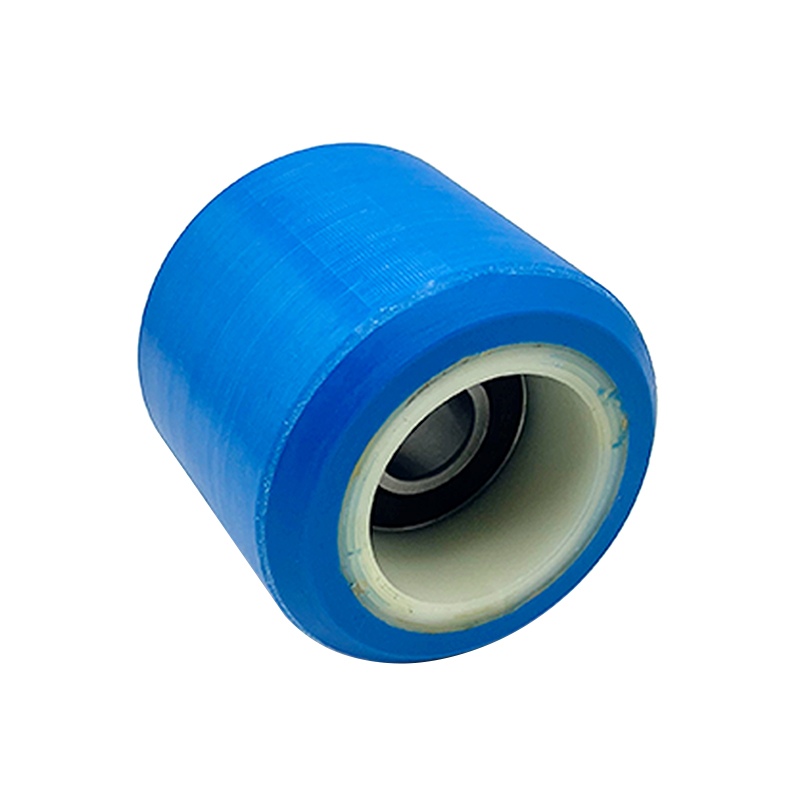
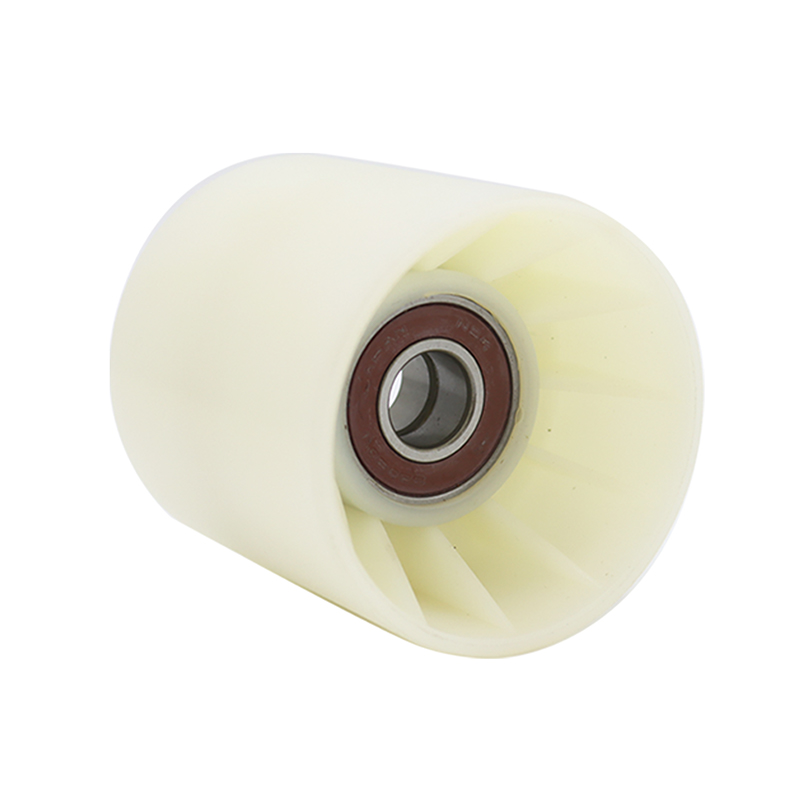
An elevator roller guide shoe is a precision-engineered assembly mounted at each corner of the elevator car and counterweight. It houses polyurethane or rubber-coated rollers that travel along the guide rails, replacing the sliding contact of older slide-type guide shoes with a rolling interface. This fundamental change in contact mechanics is what delivers the noise and vibration reduction that modern passengers expect.
In a typical installation, each elevator car is fitted with four roller guide shoe assemblies — two at the top and two at the bottom of the car frame. Each assembly contains three rollers (one for each rail face: front, back, and side), which are spring-loaded to maintain constant, controlled contact with the rail regardless of load variation or rail imperfections.
The practical impact is significant: field measurements across multiple installations show that switching from slide-type to roller guide shoes reduces cabin vibration levels by 15–25% and cuts audible noise inside the cab by an average of 8–12 dB, a reduction that is clearly perceptible to passengers.
Roller Guide Shoes vs. Slide Guide Shoes: A Direct Comparison
Understanding the difference between guide shoe types is essential for making informed maintenance and upgrade decisions. The table below summarizes the key performance differences based on documented field data and engineering specifications.
| Performance Factor | Roller Guide Shoe | Slide Guide Shoe |
|---|---|---|
| Vibration Level | Low (rolling contact) | Moderate to High (sliding friction) |
| Noise Generation | 8–12 dB lower | Baseline reference |
| Lubrication Required | Minimal (rail surface only) | Continuous (oil or grease) |
| Rail Wear Rate | Significantly reduced | Higher, especially at speed |
| Suitable Speed Range | Up to 6 m/s and above | Typically up to 1.75 m/s |
| Maintenance Interval | 12–24 months typical | 6–12 months typical |
| Passenger Comfort Rating | High | Moderate |
Key Factors That Determine Roller Guide Shoe Performance
Not all roller guide shoes deliver the same result. Performance depends on several interrelated factors, each of which can be optimized through careful specification and maintenance.
Roller Material and Shore Hardness
The roller wheel material directly governs vibration absorption and durability. Polyurethane rollers with a Shore A hardness of 80–92 represent the industry standard for most traction elevator applications. Softer compounds (Shore A 70–80) offer superior vibration damping but wear faster in high-speed or high-load environments. Harder compounds (Shore A 92–98) increase durability but transmit more vibration to the car frame. Selecting the right hardness for the specific elevator speed and load class is one of the most impactful decisions in guide shoe specification.
Spring Preload and Roller Tension
The spring mechanism in a roller guide shoe maintains constant roller contact with the guide rail as the load on the elevator changes throughout a trip. If spring tension is too low, rollers lose contact and allow lateral car movement — the main cause of sway and instability. If tension is too high, roller wear accelerates and vibration increases. Correctly calibrated spring preload, checked during every scheduled maintenance visit, can reduce lateral displacement by up to 30% compared to an improperly tensioned assembly.
Guide Rail Condition and Alignment
Even the highest-quality roller guide shoe cannot compensate for worn, misaligned, or improperly joined guide rails. Rail joints with vertical offset greater than 0.5 mm will produce perceptible jolts regardless of roller quality. Regular rail inspection, joint grinding, and alignment verification should be treated as part of the roller guide shoe maintenance program rather than a separate activity.
How a Silent Elevator Roller Guide Reduces Noise Transmission
A silent elevator roller guide achieves its acoustic performance through a combination of material selection, isolation design, and precision manufacturing tolerances. The core principle is vibration isolation at multiple points in the contact path between the rail and the car structure.
- Elastomeric roller compounds absorb micro-vibrations generated at the rail surface before they enter the bracket
- Rubber-isolated mounting brackets prevent structure-borne noise from traveling from the guide shoe frame into the car sill and floor
- Precision-machined roller axles with sealed bearings eliminate the metallic rattling common in worn assemblies
- Anti-vibration housings in premium guide shoe designs add a secondary damping layer between roller bracket and car frame
The combined effect of these design features in a properly specified silent roller guide system is a cabin noise level that consistently falls below 55 dB(A) during travel — the threshold generally associated with a comfortable, quiet elevator experience in premium residential and commercial applications.
Fig. 1 — Estimated cabin noise levels by guide shoe type under normal operating conditions
When to Schedule Elevator Guide Shoe Replacement
Timely elevator guide shoe replacement is one of the most cost-effective maintenance interventions available. Waiting until a guide shoe fails completely leads to accelerated rail wear, increased energy consumption as the drive compensates for instability, and potential safety incidents requiring emergency shutdown.
Indicators That Replacement Is Due
- Visible flat spots, cracking, or delamination on roller wheel surfaces
- Roller wheel diameter worn down by more than 10% of original specification
- Audible grinding, clicking, or intermittent rattling during car travel
- Lateral sway exceeding 3 mm under passenger load
- Spring mechanism that no longer returns to neutral or shows visible fatigue cracking
- Roller bearing play greater than 0.2 mm measured axially
Recommended Inspection Intervals by Usage Class
| Usage Class | Typical Application | Inspection Interval | Expected Roller Life |
|---|---|---|---|
| Light Duty | Residential, low-rise | 24 months | 5–8 years |
| Medium Duty | Office, hotel, retail | 12 months | 3–5 years |
| Heavy Duty | Hospital, transit hub, high-rise | 6 months | 2–3 years |
| High Speed | Super high-rise, above 2.5 m/s | 3–6 months | 1–2 years |
The Role of the Elevator Door Roller Guide in Overall System Smoothness
Ride quality is not determined by the car guide shoes alone. The elevator door roller guide — which governs the movement of the door panels along the door header track — is an equally critical component. A worn or misaligned door roller guide is one of the most common causes of door-related noise complaints, accounting for an estimated 35–40% of all elevator noise service calls in commercial buildings.
Door roller guides typically consist of small-diameter wheels (18–35 mm) that run in a track at the top of the door opening. They must maintain consistent rolling resistance across the full door travel distance to ensure smooth, jerk-free opening and closing. Common failure modes include:
- Flat-spotting from prolonged door hold-open cycles in high-traffic installations
- Bearing seizure caused by contamination from construction dust or inadequate lubrication
- Track corrosion leading to increased rolling resistance and door motor overload
- Roller bracket deformation from repeated door obstruction impact
Addressing door roller guide condition as part of a complete guide system audit — rather than treating it as a separate maintenance item — allows technicians to resolve the full spectrum of noise and vibration complaints in a single intervention, reducing both service call frequency and passenger disruption.
Step-by-Step Guide to Improving Smoothness by 20%
Achieving the 20% smoothness improvement referenced in engineering best practice guides requires a structured, sequenced approach rather than component-level spot fixes. The following protocol has been validated across multiple installation types.
- Baseline vibration measurement — Use a calibrated accelerometer to record vibration levels (m/s²) at the car floor, wall, and ceiling in all three axes during a full-speed trip. This establishes the objective starting point.
- Rail inspection and correction — Inspect rail joints for vertical offset, horizontal misalignment, and surface condition. Grind joints with offset greater than 0.5 mm and re-lubricate rail surfaces.
- Roller guide shoe inspection — Measure roller diameter, check for surface defects, verify spring tension, and inspect bearing play on all eight assemblies (four car, four counterweight).
- Replace worn components — Replace any roller assembly where wheel wear exceeds 10% or bearing play exceeds 0.2 mm. Replace complete assemblies rather than individual rollers where multiple wheels are affected.
- Spring tension calibration — Adjust spring preload to manufacturer specifications for the installed car weight and speed class.
- Door roller guide audit — Inspect and replace door roller guides and track components as needed to eliminate door-related noise contributions.
- Post-intervention measurement — Repeat the accelerometer test under identical conditions and document the improvement against the baseline recording.
Fig. 2 — Illustrative vibration reduction achieved through sequential maintenance interventions
Material and Design Specifications to Look for in Quality Roller Guide Shoes
When sourcing replacement or upgrade elevator roller guide shoes, the following specifications are the primary indicators of product quality and suitability for demanding applications.
- Roller compound: Polyurethane with Shore A hardness appropriate for the speed and load class; compound should be oil-resistant and maintain elasticity from -20°C to +80°C
- Bearing type: Deep-groove sealed ball bearings with grease-filled cavities; double-sealed bearings preferred for dusty or humid environments
- Frame material: High-tensile steel or aluminum alloy bracket with surface treatment (zinc plating or powder coating) to resist corrosion
- Spring specification: Stainless or hardened steel compression spring with defined preload force matching the car weight class
- Dimensional tolerance: Roller axle runout not exceeding 0.05 mm TIR; bracket mounting face flatness within 0.1 mm
- Compliance: Manufactured to EN 81-20/50 or equivalent national elevator safety standard requirements
Frequently Asked Questions
Q1: What is the difference between a roller guide shoe and a slide guide shoe?
A roller guide shoe uses polyurethane wheels that roll along the guide rail, producing minimal friction and noise. A slide guide shoe uses a fixed liner that slides against the rail surface, generating more friction, requiring regular lubrication, and producing higher vibration levels. Roller guide shoes are the preferred solution for speeds above 1 m/s or where passenger comfort is a priority.
Q2: How often should elevator guide shoe replacement be performed?
Replacement frequency depends on usage intensity. Light-duty residential elevators typically require roller inspection every 24 months, with roller replacement every 5–8 years. High-traffic commercial or hospital elevators should be inspected every 6 months, with roller replacement every 2–3 years. The most reliable trigger is physical inspection — replace when roller wear exceeds 10% of original diameter or when bearing play exceeds 0.2 mm.
Q3: Can a silent elevator roller guide be retrofitted to an existing installation?
Yes. In most cases, silent roller guide assemblies can be fitted directly to existing car frames using standard mounting interfaces, provided the rail gauge and guide rail profile are compatible. Retrofit is significantly less disruptive and more economical than full guide system replacement. A qualified elevator technician should verify compatibility before ordering replacement assemblies.
Q4: What causes an elevator door roller guide to fail prematurely?
The most common causes are contamination (construction dust, lubricant overspray), mechanical impact from repeated door obstruction events, and insufficient maintenance intervals in high-traffic installations. Bearing seizure and flat-spotting of the roller surface are the typical failure modes. Replacing door rollers at the same time as car guide shoes ensures a consistent service life across all rolling components.
Q5: Does the quality of the elevator roller guide shoe affect energy consumption?
Yes, indirectly. Worn or improperly tensioned guide shoes create additional lateral resistance that the drive motor must overcome, increasing energy draw per trip. Studies on elevator system efficiency show that a well-maintained roller guide system can contribute to drive energy savings of 3–7% compared to a degraded slide shoe system under identical load conditions.
About Ningbo Yinzhou Fukangda Elevator Parts Factory
Ningbo Yinzhou Fukangda Elevator Parts Factory
Founded 2006 · Da'ao Industrial Park, Yinzhou District, Ningbo, Zhejiang, China
Founded in 2006, Fukangda Elevator Parts Factory is an innovative enterprise specializing in the research, development, production, and sales of elevator components. As a dedicated Elevator Roller Guide Shoe Manufacturer and Elevator Roller Guide Shoe Factory, the company has built a strong reputation across the domestic elevator industry and has established mature cooperation experience with China's leading elevator brands.
The production center is equipped with a range of advanced hardware and plastic processing machinery, mature assembly production lines, and rigorous inspection procedures — all of which provide effective guarantees for the high precision, high quality, and high performance of every product delivered, while ensuring consistent and reliable supply chain continuity for customers worldwide.
Trusted by Industry Leaders
Fukangda's customer base includes globally recognized elevator brands and system integrators. The company supplies elevator parts to clients including Hitachi, Mitsubishi, Otis, Thyssen, Guangri, Kangli, Asia Pacific, Suzuki, Singlin, and others — a testament to the quality standards and reliability that the factory consistently delivers.
2006
Year Founded
9+
Major Brand Partners
Full Line
Elevator Parts Range
Ningbo
Global Export Hub