
 English
 中文简体
中文简体
Picture the machine room of a 22-story office tower: two toolboxes, one grease gun, a stack of spare oil cups, and a logbook with every inspection date written by hand. Eight years, no major breakdown. That equipment list was shorter than most people expect, and it worked because it was organized around the six jobs elevator maintenance actually involves.
Conclusion first: a practical elevator maintenance tools list covers measuring, lubricating, fastening, cleaning, electrical testing, and protecting the technician. Everything else is a variation on these six functions. Build the kit around them and you can walk into any machine room and make the right call.
Content
- 1 The Core Elevator Maintenance Tools List at a Glance
- 2 Guide Shoes: Measure, Torque, Replace
- 3 Lubrication: The Oil Cup and the Tools That Keep Rails Wet
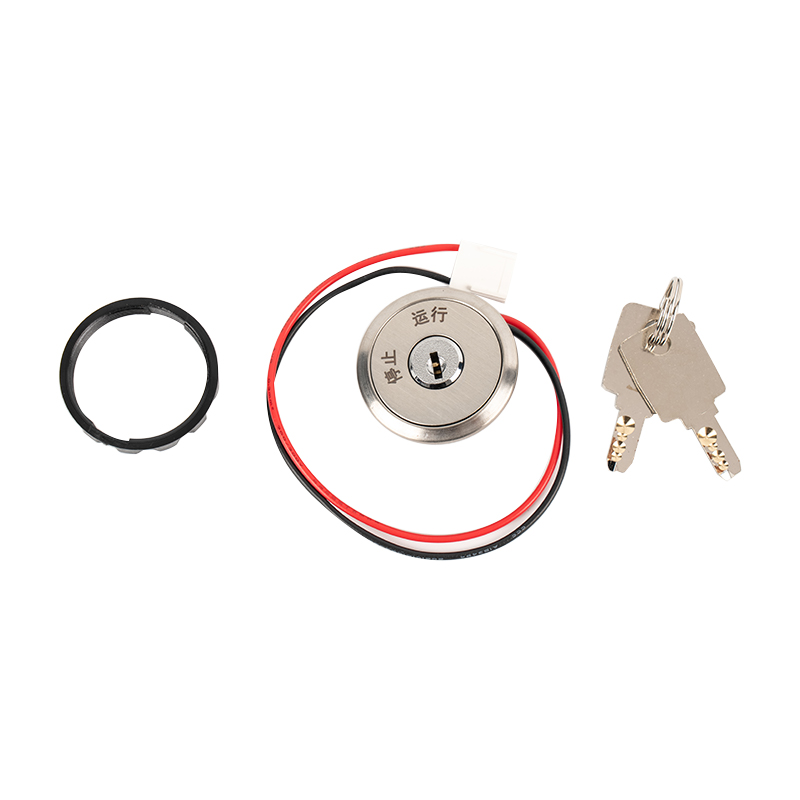
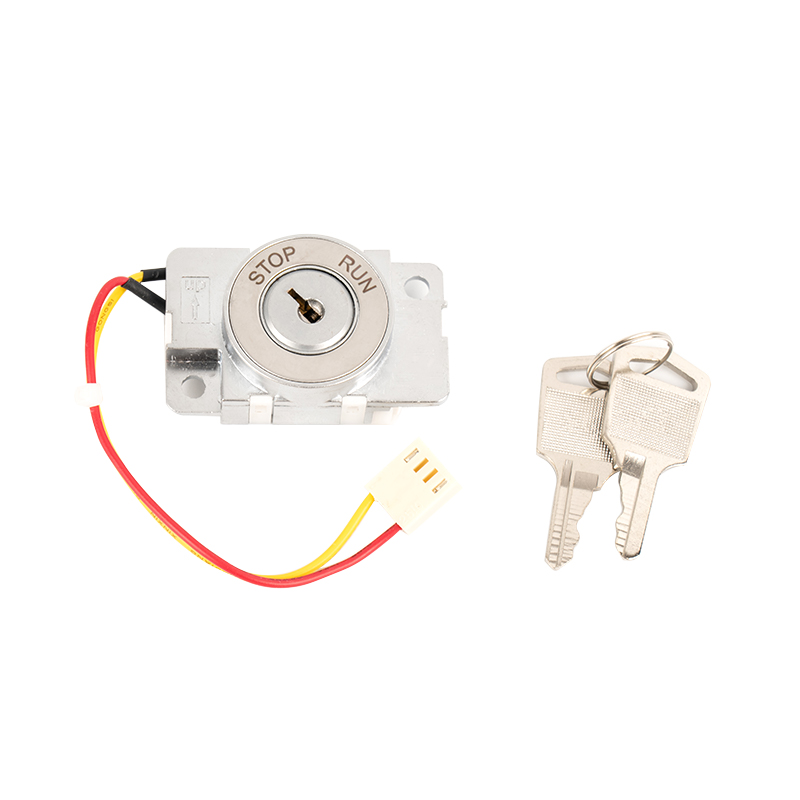
- 4 Door Locks and Key Switches: Small Components, Strict Safety Logic
- 5 Electrical Test Tools in the Control Cabinet
- 6 Building the Kit That Fits Your Building Fleet
- 7 Frequently Asked Questions
- 7.1 Q1: What are the most essential elevator maintenance tools for daily inspections?
- 7.2 Q2: How often should elevator preventive maintenance be performed?
- 7.3 Q3: When should elevator guide shoes be replaced?
- 7.4 Q4: Why is the elevator oil cup important and how often is it refilled?
- 7.5 Q5: What is an elevator triangle lock and why is it safety-critical?
- 7.6 Q6: How can the right maintenance tools reduce elevator maintenance cost?
The Core Elevator Maintenance Tools List at a Glance
Preventive maintenance programs in the elevator industry keep returning to the same checkpoints: guide shoes and rollers, door locks, lubrication points, electrical safety circuits, and cabin condition. We group the elevator maintenance tools list around these checkpoints because that is how a real service visit flows.
| Function | Typical tools | Why it is needed |
|---|---|---|
| Measuring and alignment | Feeler gauges, dial indicator, steel ruler, laser alignment tool | Guide shoe clearance, rail alignment, door gap checks |
| Lubrication | Oil cup, grease gun, refill oil can, wick brush, lint-free cloth | Guide rails, roller bearings, door tracks |
| Fastening and torque | Torque wrench, socket set, hex keys, ratchet | Guide shoe bolts, lock assemblies, control cabinet fixings |
| Electrical testing | Multimeter, insulation tester, phase-rotation meter | Key switches, safety circuits, motor and wiring checks |
| Cleaning | Vacuum, stiff brush, degreaser, rags | Rail surfaces, pit, top of car, door tracks |
| Technician safety | Lockout/tagout kit, harness, shaft light, ladder, headsets | Protecting the technician during shaft and pit work |
Organizing by function solves the most common purchasing mistake we see: a large generic tool set that still lacks the one specialized item a particular elevator model needs.
Guide Shoes: Measure, Torque, Replace
Guide shoes keep the car moving straight on the rail. Sliding shoes rely on replaceable linings in direct contact with the rail, while roller guide shoes use spring-loaded rollers to cut friction and noise. Both fail progressively, which is why measurement tools matter more than brute force.
Typical relative performance of sliding and roller guide shoes; higher scores are better. Actual behavior depends on the elevator model and speed.
For sliding shoes, a feeler gauge is the primary clearance tool. Typical running clearances sit around 0.2–0.5 mm depending on the model, so always confirm against the OEM manual. Roller shoes need a check of roller surfaces and spring pressure; a worn roller produces vibration that passengers feel long before visible damage appears.
If a shoe is damaged or worn beyond tolerance, replace it. Field repair is rarely cost-effective. When ordering a replacement, verify the mounting hole pattern and lining material. The exchange sequence depends on the shoe type, but the measuring and torque tools stay the same across models.
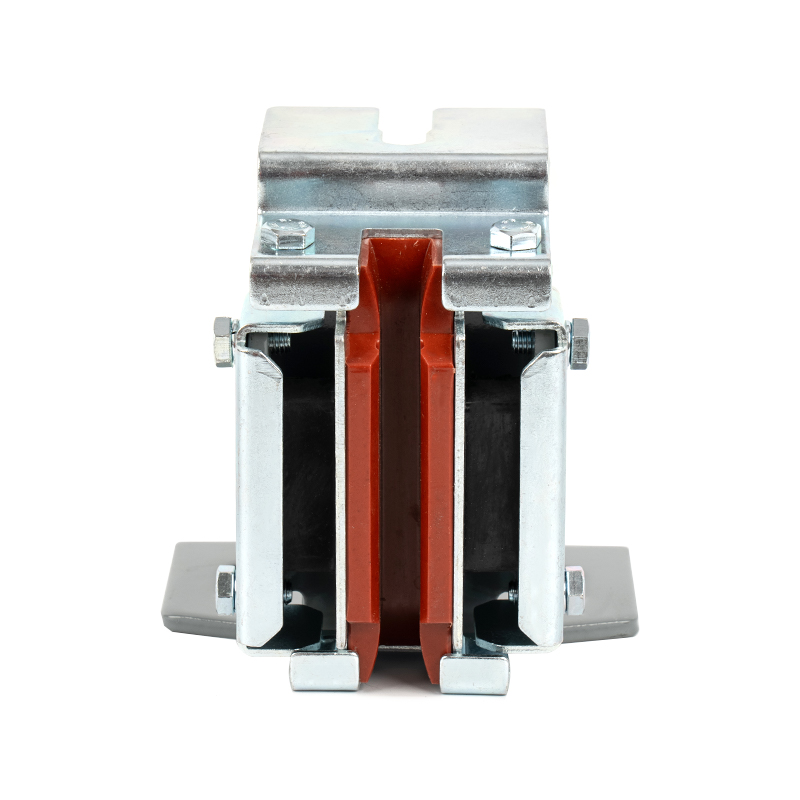
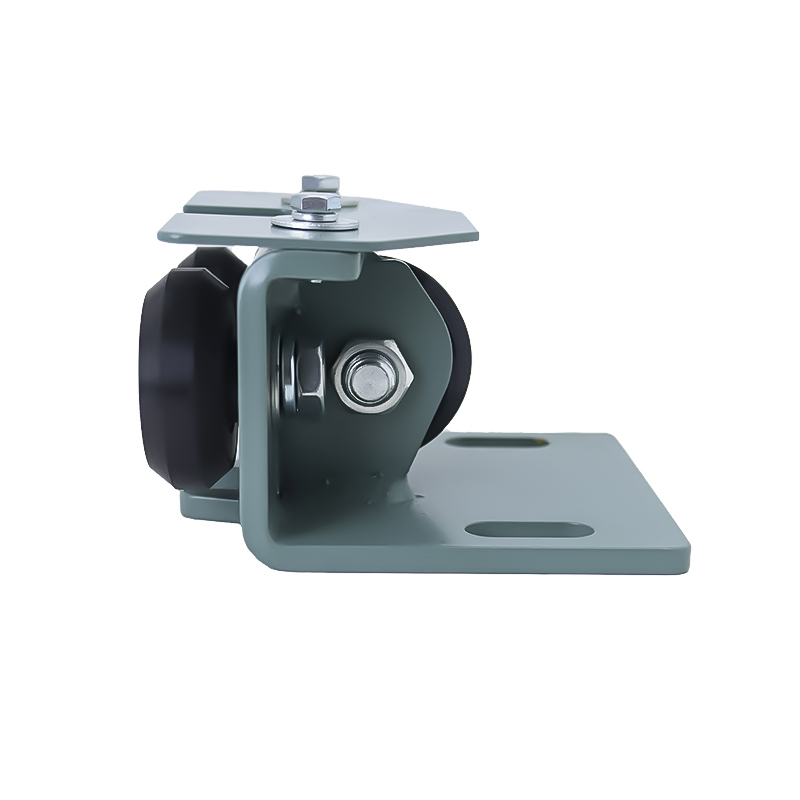 FKD-R50 Roller Guide Shoe for Villa ElevatorsThis polyurethane roller guide shoe suits small passenger elevators up to 0.75 m/s and is often chosen as a replacement for sliding guide shoes. It appears where worn shoes must be replaced, so check mounting holes and lining before ordering.View Product →
One habit our engineers insist on: after tightening shoe mounting bolts, mark the bolt head and note the torque in the logbook. It takes two minutes and makes the next inspection visibly easier.
Lubrication: The Oil Cup and the Tools That Keep Rails Wet
Rail lubrication is the oldest part of elevator maintenance and still one of the most effective. An elevator oil cup mounted on the guide rail wipes a thin oil film onto the running surface. When the wick dries, the rail runs dry and guide shoe linings wear faster. The effect is gradual, which is exactly why it gets missed.
Illustrative comparison of guide rail wear index with a three-month versus six-month lubrication interval; actual results vary with traffic and rail condition.
Servicing oil cups needs simple tools: a refill oil can with a spout, lint-free cloths, a small brush for the wick seat, and at least one spare cup in the van. Cleaning matters as much as refilling; a clogged wick delivers no oil no matter how full the cup looks.
For the full refill and inspection sequence, our guide to the use and maintenance of elevator oil cups covers installation, wick care, and interval planning.
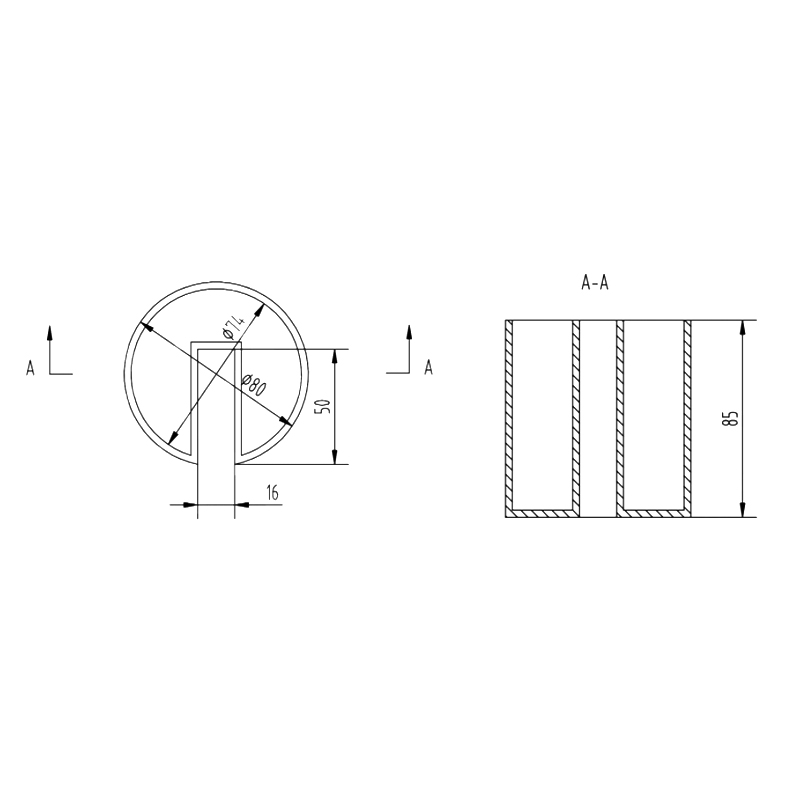 FKD-9098 Elevator Oil Cup for Guide Rail LubricationThis oil cup is referenced beside the full refill and inspection sequence for elevator guide shoes. It relates to the oil-fed rail contact typical of sliding guide shoes, helping maintain smooth operation and easy torque checks.View Product →
Structure of a typical sliding guide shoe with oil-fed rail contact; roller guide shoes replace the lining contact with preloaded rollers.
Door Locks and Key Switches: Small Components, Strict Safety Logic
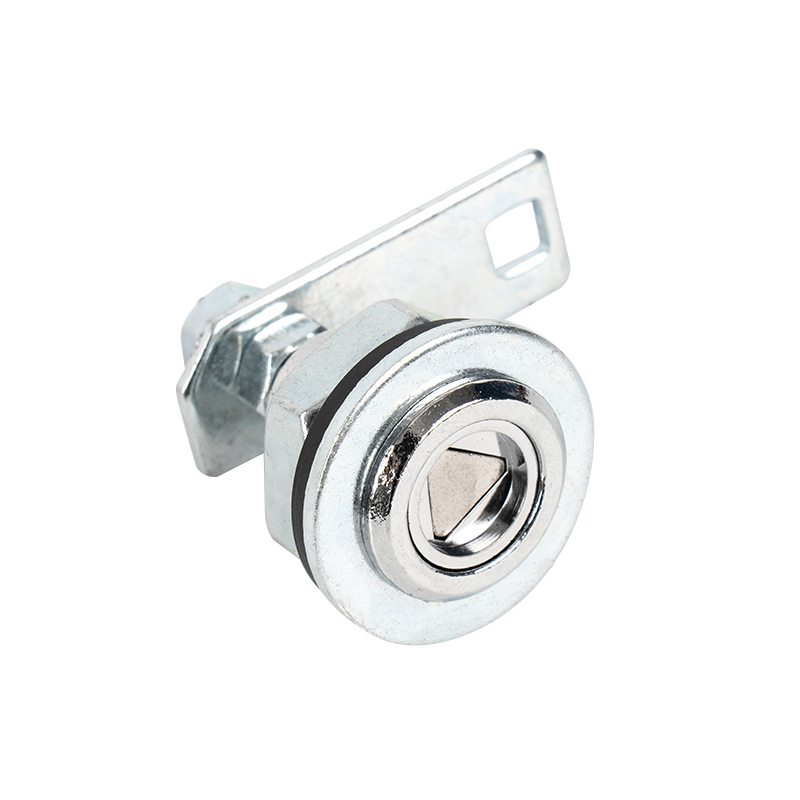
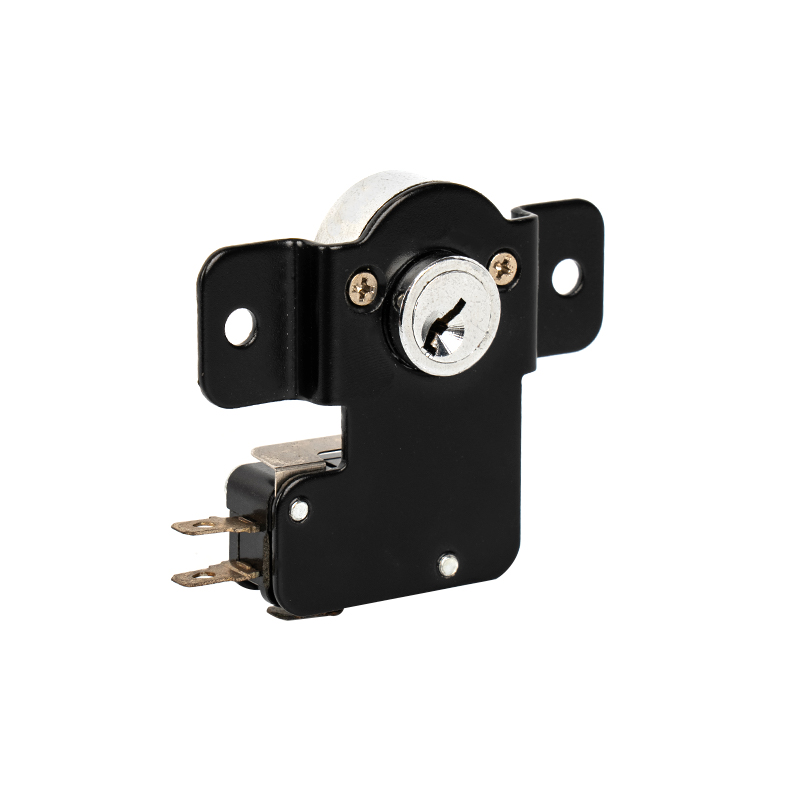
Landing door triangle lock assemblies and key switches are checked on nearly every maintenance visit because they connect the door system to the safety chain. A mis-adjusted lock can stop the car with the doors closed; a damaged key switch can keep technicians out of the pit exactly when access is needed.
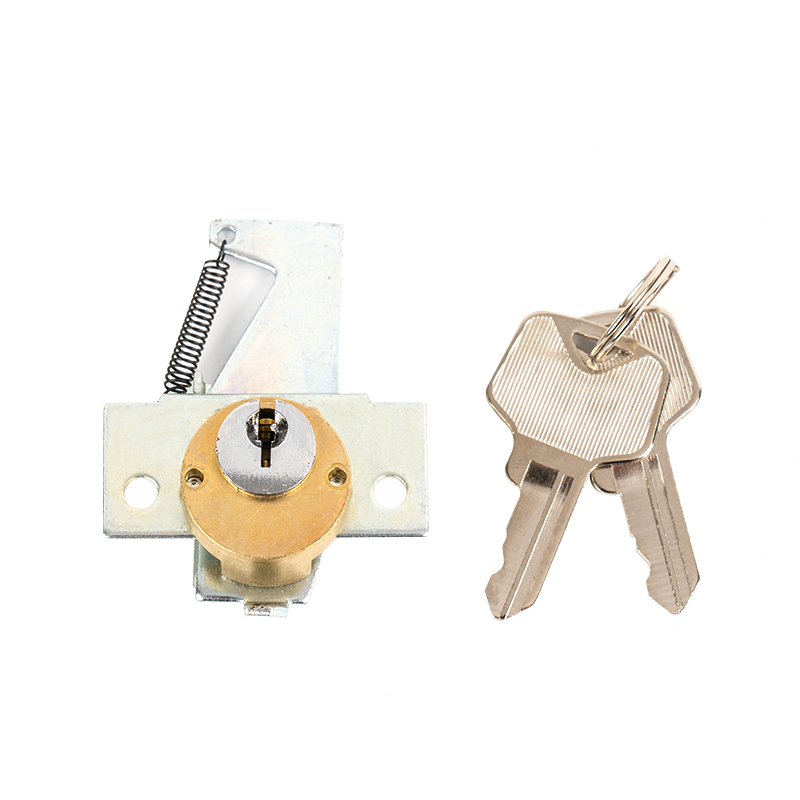
Tools that matter here: precision screwdrivers, long-nose pliers, a small inspection mirror, and a torque screwdriver for cover screws. Replacement locks are almost always faster to swap than to repair, and matching the brand-specific geometry matters more than price.
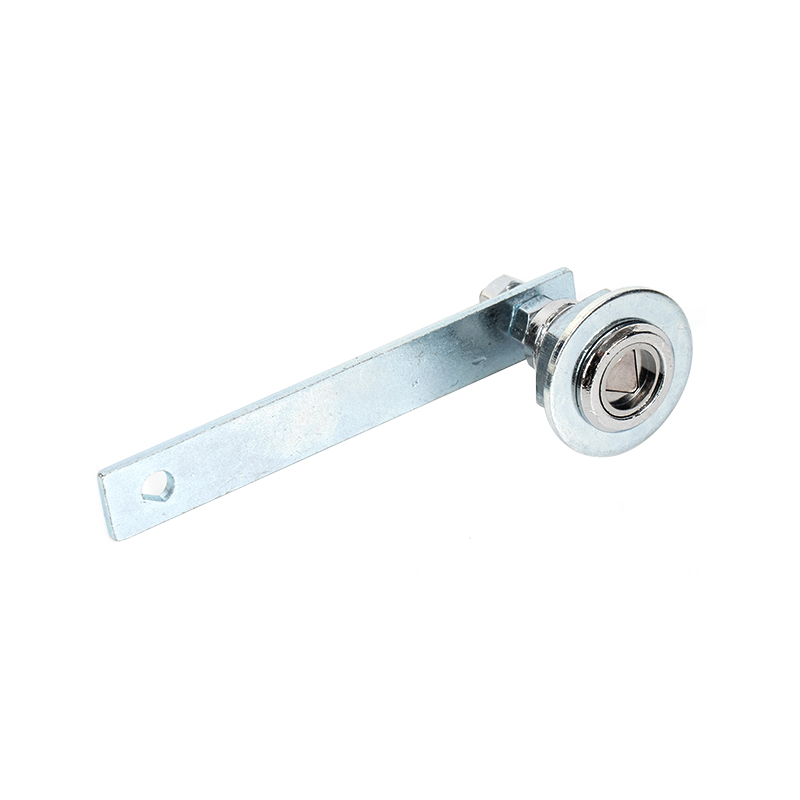
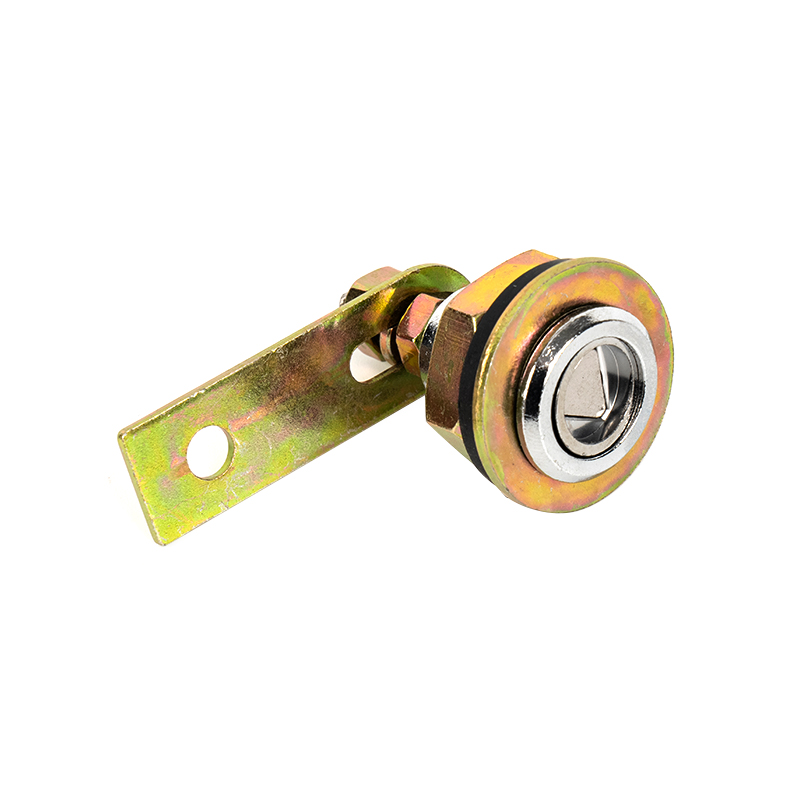
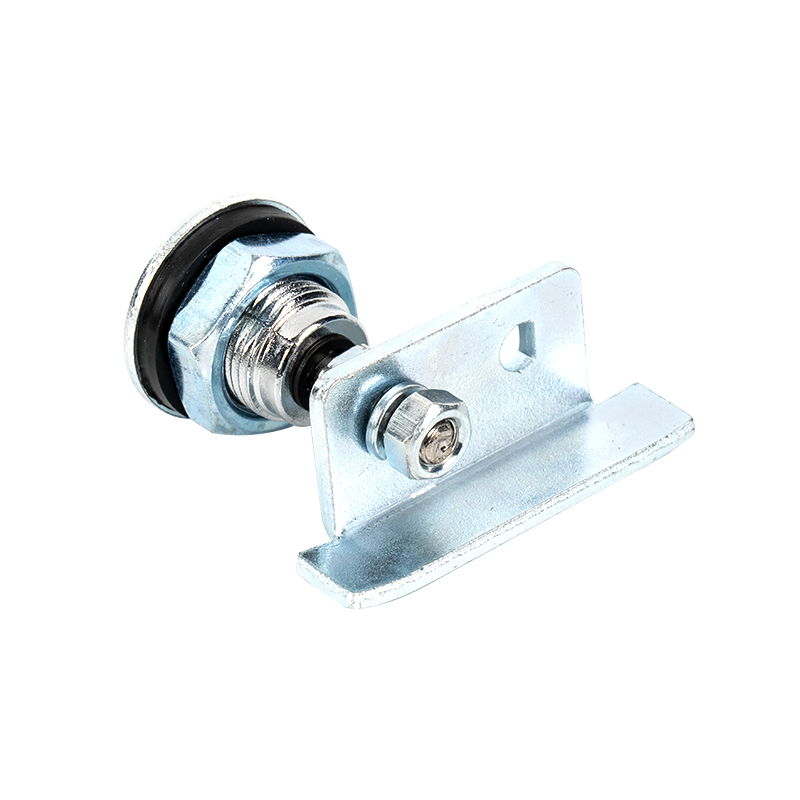
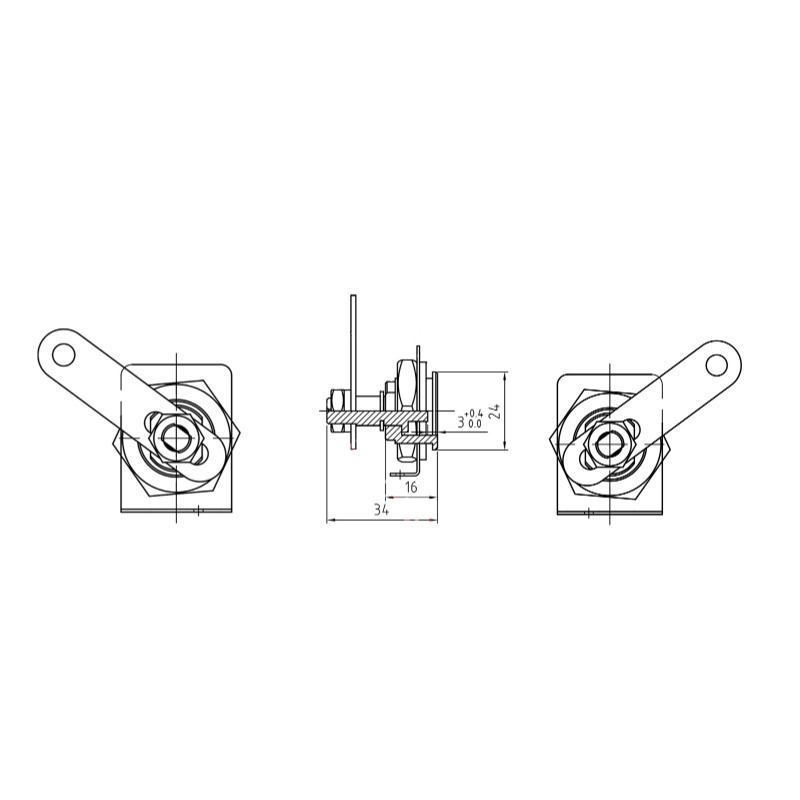 FKD-0073 Elevator Floor Door Triangular LockThis triangular lock is a mechanical safety device that keeps elevator floor doors closed during operation. Placed after tools for lock swaps, it emphasizes matching brand-specific geometry over price and testing with door open and closed.View Product →
Two notes from the field: never grease a triangle lock with heavy lubricant, because it attracts dust and slows the mechanism; use a dry PTFE spray when something is needed. Always test the lock with the door both open and closed before leaving the landing.
Electrical Test Tools in the Control Cabinet
Modern control cabinets keep the electrical checklist short: a capable multimeter, an insulation tester for periodic motor and wiring checks, and a phase-rotation meter for three-phase supply verification cover nearly every routine task.
Set a fixed rule: insulation testing happens only after the main switch is locked out, and multimeter leads are inspected for cracked insulation before every use. Small habits keep the tools from becoming part of the hazard.
Building the Kit That Fits Your Building Fleet
If you supervise more than one building, duplicate the core measuring and lubrication tools in each machine room instead of carrying one set between sites. Downtime is mostly waiting time, and waiting for a tool is the most expensive part of a service call.
- Log every calibration and replacement date; torque wrenches drift quietly.
- Stock consumables from the same source as the parts you install, including guide shoe linings, roller guide shoes, oil cups, and lock assemblies.
- Inspect safety tools — harnesses, lockout padlocks, shaft lighting — monthly, not once a year.
- Assign one technician per site to own tool inventory; accountability is what keeps a checklist honest.
For replacements and upgrades, browse our complete elevator components catalog, which covers guide shoes, oil cups, locks, and switches across the major elevator brands.
Frequently Asked Questions
Q1: What are the most essential elevator maintenance tools for daily inspections?
Feeler gauges, a multimeter, a refill oil can, a torque wrench, basic hand tools, and a lockout/tagout kit are the common core. Specialized additions follow from the elevator model and traffic.
Q2: How often should elevator preventive maintenance be performed?
Most service plans use a one-to-three-month cycle for general inspection and a deeper six-to-twelve-month interval for components such as guide shoes, locks, and oil cups. Always follow the OEM manual and local code requirements.
Q3: When should elevator guide shoes be replaced?
Replace sliding shoe linings when clearance or groove wear exceeds the OEM value, usually indicated by ride vibration and visible rail marks. Roller guide shoes are replaced when rollers show flat spots, cracks, or lost spring pressure.
Q4: Why is the elevator oil cup important and how often is it refilled?
The oil cup feeds a thin lubrication film to the guide rail, cutting friction and liner wear. Refill intervals range from monthly to quarterly depending on traffic and cup size, and the wick should be checked at every visit.
Q5: What is an elevator triangle lock and why is it safety-critical?
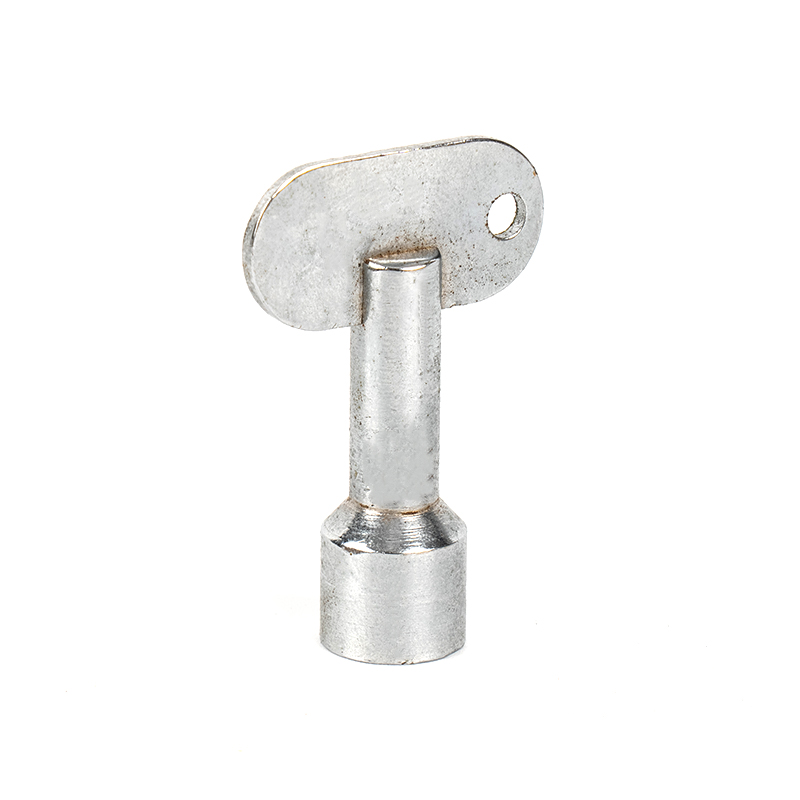
A triangle lock keeps the landing door closed unless the car is at the landing or a special rescue key is used. It must release reliably for rescue operations, so inspect it for wear, dust, and spring fatigue regularly.
Q6: How can the right maintenance tools reduce elevator maintenance cost?
Correct measurement tools catch wear early, lubrication tools prevent rail and liner damage, and proper lock and key switch tools avoid mis-adjustment callbacks. Each prevents a small issue from becoming a full breakdown.